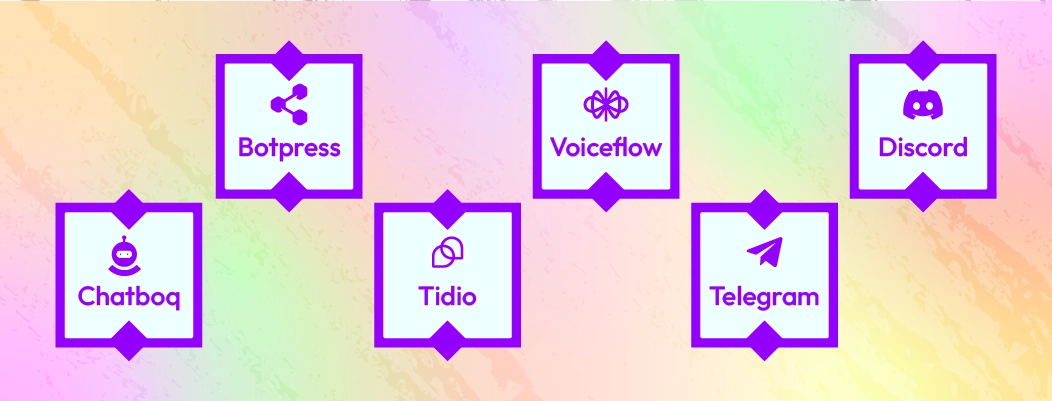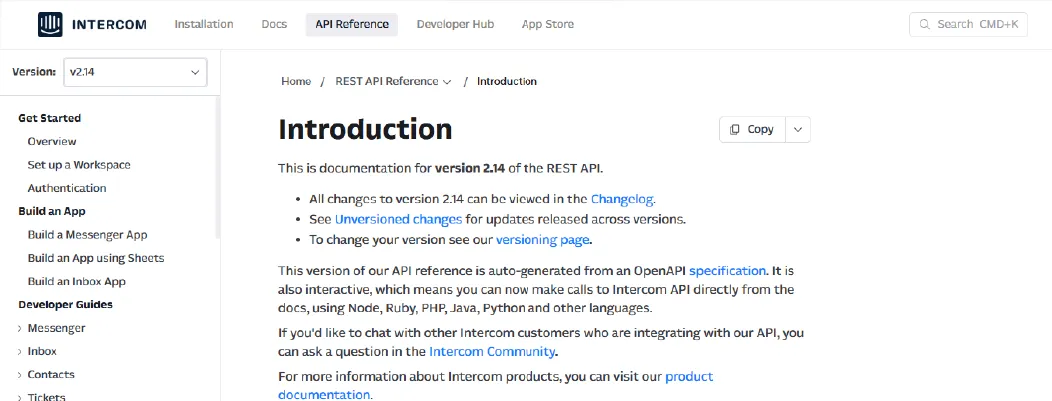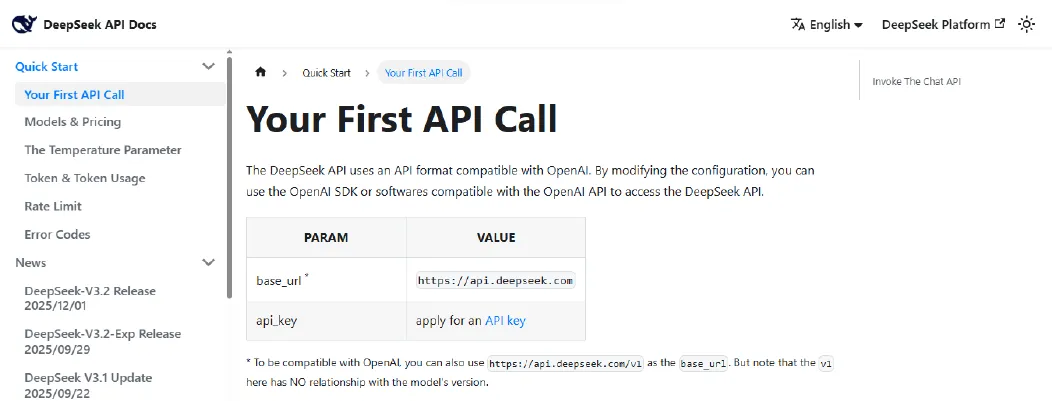
For gamified or playful website interactions, chatbot tool platforms like Chatboq, Botpress, Tidio, Voiceflow, Telegram, and Discord offer chatbot integration that makes websites more interactive.

Below are some of the best fun chatbot APIs for websites, with features, use cases, and pros/cons.
1. Chatboq
Chatboq is an AI-powered chatbot platform that enables interactive and gamified chatbot experiences for websites.
-
Best For: Interactive, gamified, and business-oriented website engagement
-
Features: AI-powered chatbot platform for websites, interactive and gamified conversation flows, CRM integration, and lead generation support
-
Use Cases: Fun, personalized website engagement, gamified sales and support interactions, lead qualification with playful conversation
-
Pros: Easy website integration, combines interactivity with business use (sales, support), and AI conversational capabilities
-
Cons: Limited free-tier features compared to some open-source tools
Make your website more engaging with Chatboq’s fun, AI-powered chatbot that integrates gamified interactions and boosts visitor engagement effortlessly. Get started with Chatboq for SaaS today.”
2. Botpress
Botpress is an open-source chatbot platform that enables highly interactive, AI-powered chatbots for engaging website experiences.
-
Best For: Interactive, gamified conversations on websites
-
Features: Pre-built templates, NLP processing, AI-powered chatbots, JavaScript integration, API documentation
-
Use Cases: Lead generation games, quizzes, onboarding flows
-
Pros: Open-source, fully customizable, supports chatbot analytics
-
Cons: Technical setup required
3. Tidio
Tidio is a no-code AI chatbot API that helps websites enhance customer engagement with simple drag-and-drop chatbot automation.
-
Best For: Beginner-friendly, no-code chatbot integration
-
Features: Drag-and-drop builder, AI chatbot integration, REST API support, chatbot automation, CRM integration
-
Use Cases: Customer support, lead capture, FAQ automation
-
Pros: Easy website integration, free tier available, tracks user interactions
-
Cons: Limited customization for advanced NLP flows
4. Voiceflow
Voiceflow is a chatbot platform that allows building interactive text and voice chatbots using AI conversation APIs and machine learning models.
-
Best For: Voice and text conversational chatbots
-
Features: Voice recognition APIs, conversational AI flows, multi-channel deployment, JSON/API response formats
-
Use Cases: Voice-based user interaction, storytelling, interactive tutorials
-
Pros: Easy drag-and-drop interface, multi-platform integration
-
Cons: Free tier limits monthly requests
5. Telegram Bot API
Voiceflow is a chatbot platform that allows building interactive text and voice chatbots using AI conversation APIs and machine learning models.
-
Best For: Messaging platform bots
-
Features: REST API, JSON response formats, authentication & access tokens, rate limits & API quotas
-
Use Cases: Fun games, community engagement, notifications
-
Pros: Free, highly reliable, strong developer community
-
Cons: Limited customization for NLP without extra AI integration
6. Discord Bot API
Voiceflow is a chatbot platform that allows building interactive text and voice chatbots using AI conversation APIs and machine learning models.
-
Best For: Community and gaming websites
-
Features: Python API clients, JavaScript integration, chatbot automation, REST API, user interaction tracking
-
Use Cases: Gaming communities, interactive events, lead generation
-
Pros: Free, supports rich media, scalable
-
Cons: Limited NLP features without external AI integration
Leave a Comment
Your email address will not be published. Required fields are marked *
By submitting, you agree to receive helpful messages from Chatboq about your request. We do not sell data.