
Chatbot analytics is the process of measuring how well an AI chatbot performs across accuracy, containment, engagement, resolution, sentiment, and business impact metrics. It helps support teams understand whether automated conversations are resolving issues effectively, reducing human workload, and improving customer satisfaction.
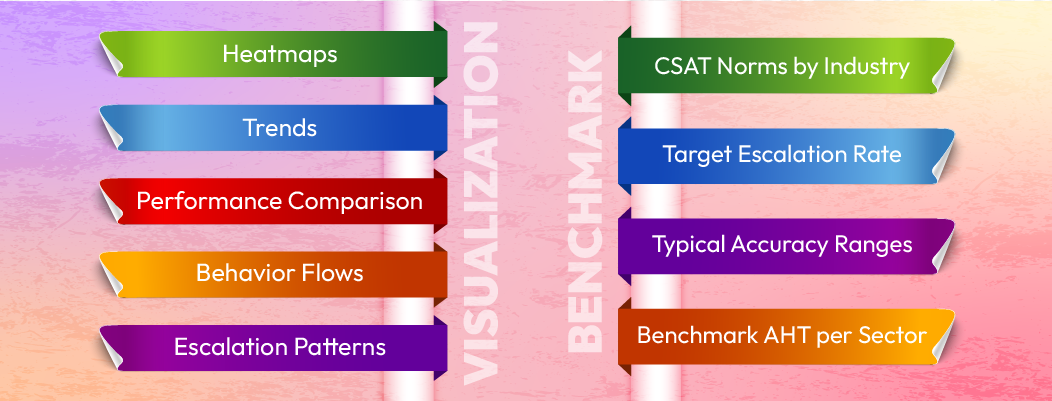
As more businesses adopt AI-driven support systems, tracking AI performance is no longer optional. Companies now rely on chatbot analytics dashboards, AI performance metrics, and real-time reporting to monitor escalation rates, fallback errors, task completion, automation rate, and customer sentiment. Without structured analytics, teams cannot see where the chatbot succeeds, where it fails, or how it affects retention and operational cost.
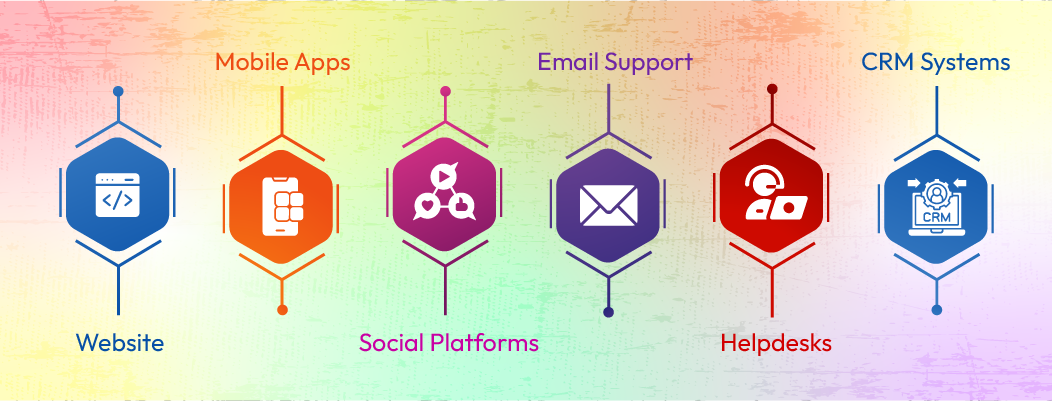
Whether you use platforms like Chatboq, ManyChat, Tidio, Intercom, or Botpress, analytics determines how scalable and reliable your AI support truly is. In this guide, you will learn how chatbot analytics works, which performance metrics matter most, how to connect chatbot data with tools like Google Analytics and CRM systems, and how to turn AI insights into measurable improvements in customer experience and efficiency.
 ChatGPT
 Perplexity
 Claude



Leave a Comment
Your email address will not be published. Required fields are marked *
By submitting, you agree to receive helpful messages from Chatboq about your request. We do not sell data.