
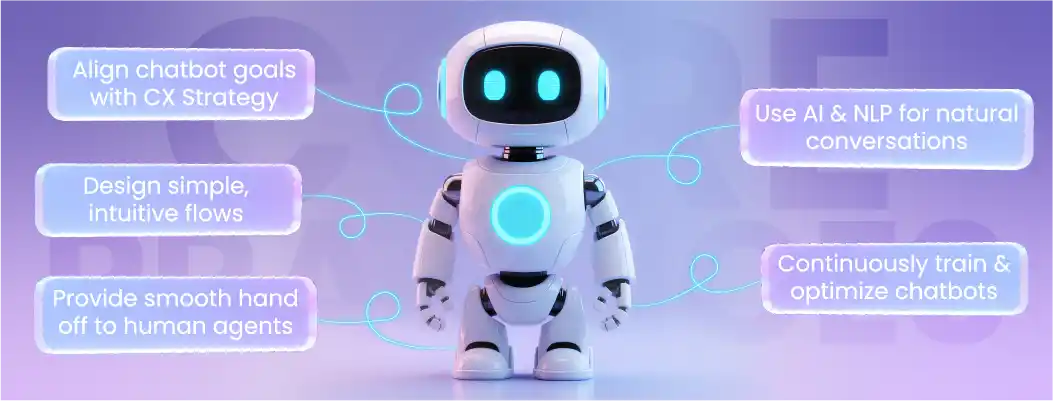
Best practices for E-commerce chatbot customer support focus on aligning automation with CX goals, enabling human-like conversations, and continuously optimizing performance. When implemented correctly, E-commerce chatbots provide automated customer support that reduces response time, improves customer satisfaction, and lowers support costs.
Customers expect instant and accurate responses across websites, mobile apps, and social platforms. When support is slow, frustration increases. Cart abandonment rises and brand trust declines. Automation reduces customer response time and enables 24/7 customer service availability. AI chatbots also assist support teams by handling routine queries, allowing agents to focus on complex issues.
Simply adding a chatbot is not enough. Poorly designed flows, robotic replies, and lack of personalization can harm the customer experience. E-commerce platforms should integrate with chatbot systems and connect to CRM for customer data insights. Analytics must track chatbot performance and engagement. Personalized responses increase customer satisfaction, and AI algorithms learn from previous interactions to improve accuracy over time.
Many businesses search for best practices because they want to scale support without losing quality. They aim to improve conversion rates, reduce operational strain, unify communication across channels, and deliver consistent brand experiences.
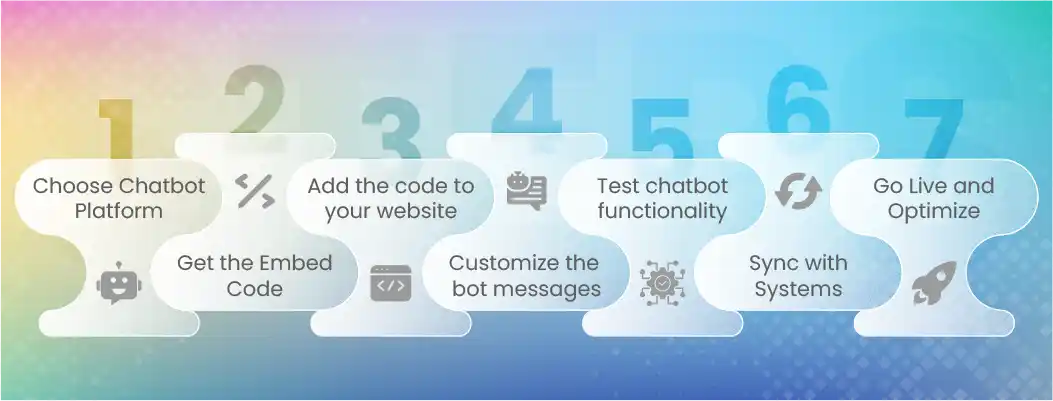
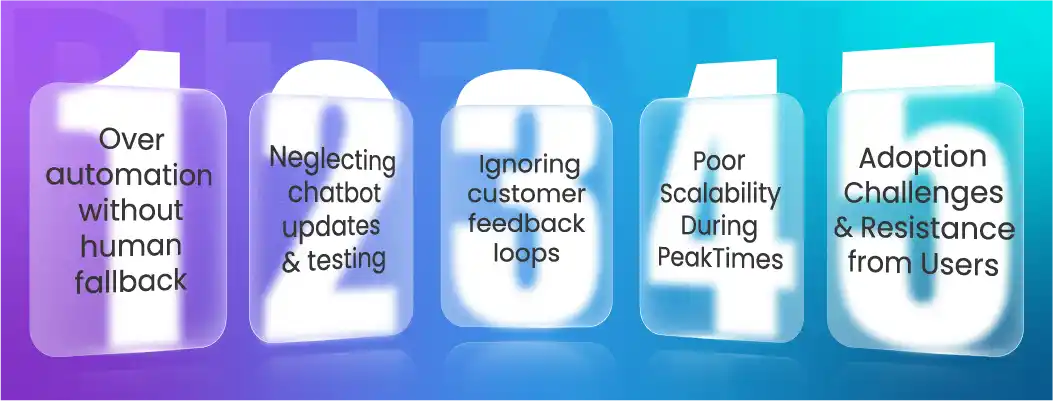
In this guide, you will learn how to design effective chatbot strategies, integrate automation into your e-commerce ecosystem, ensure compliance and transparency, and avoid common pitfalls. By the end, you will have a clear framework to turn chatbot support into a measurable CX advantage.
 ChatGPT
 Perplexity
 Claude




Leave a Comment
Your email address will not be published. Required fields are marked *
By submitting, you agree to receive helpful messages from Chatboq about your request. We do not sell data.