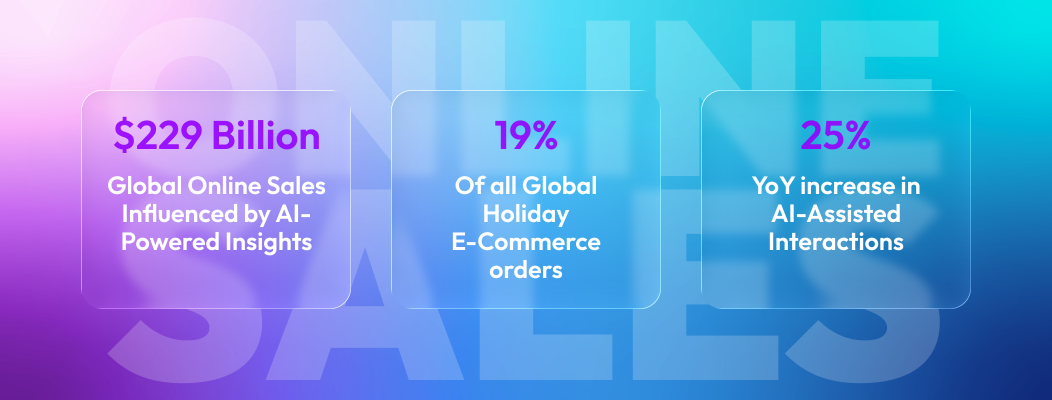
If AI is transforming the business side of e-commerce, it’s because consumers are driving that change. Today’s digital shoppers expect fast, accurate, meaningful personalization, and they’re willing to reward brands that deliver it.
Consumers Actively Prefer AI-Enhanced Shopping
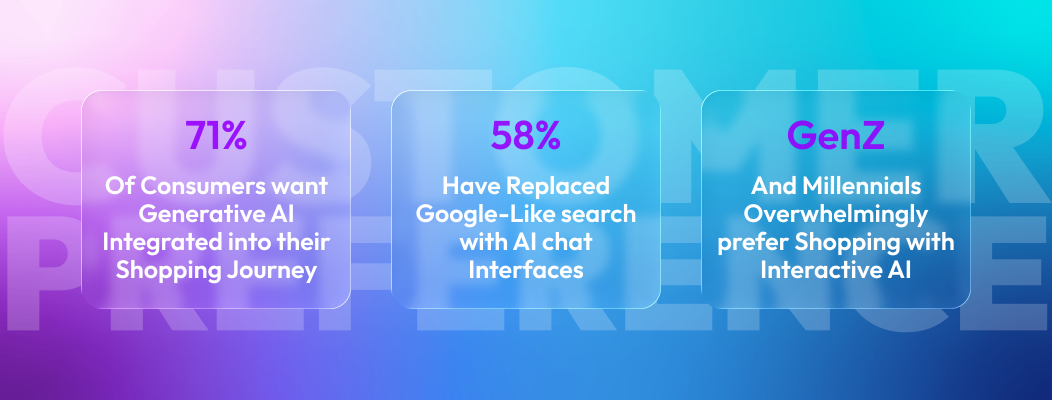
Modern shoppers have fundamentally changed how they approach online purchasing. They're no longer satisfied with passive browsing or generic catalogs. Instead, they expect intelligent systems that understand preferences and guide them toward the right choices.
Younger demographics, particularly Gen Z and Millennials, overwhelmingly prefer shopping journeys with interactive AI guidance. Many have shifted from traditional search to conversational interfaces that provide immediate, contextual answers.
Today's shoppers don't want to browse endlessly. They want smart systems that:
-
Understand their intent from the first interaction
-
Anticipate their needs based on browsing patterns
-
Filter out irrelevant products automatically
-
Recommend price-optimized options that fit their budget
-
Assist them conversationally without feeling robotic
In other words, they want an AI shopping companion, not just a search bar or static FAQ page. They expect technology that adapts to them, learns from their behavior, and makes shopping feel effortless. Retailers who personalize customer interactions through behavioral signals and adaptive conversation see significantly higher engagement and conversion rates.
AI Chatbots Are Becoming the New Digital Sales Assistants
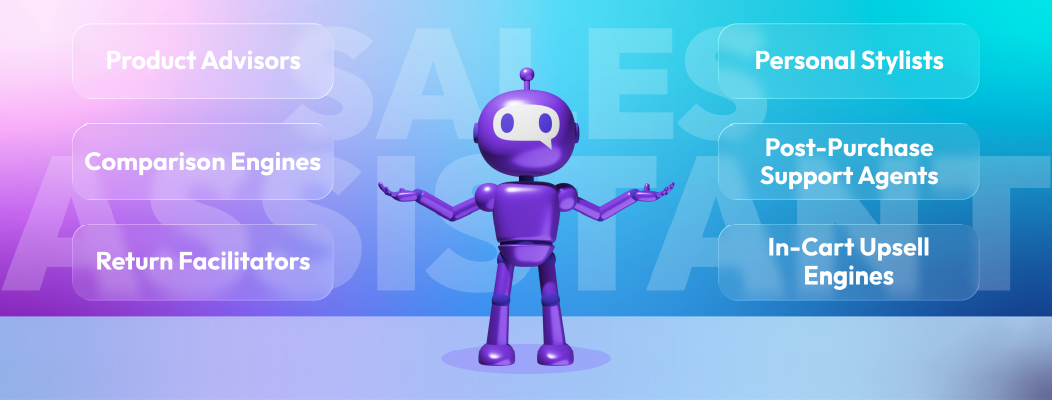
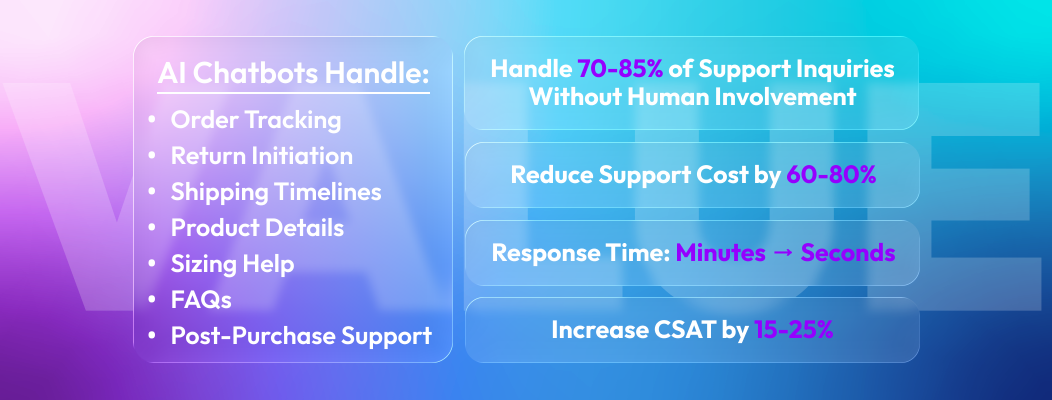
AI chatbots have matured far beyond simple FAQ responders. Now powered by LLMs, they act as:
According to academic research published in the Journal of Consumer Perceptions, AI-driven conversational shopping assistants significantly impact:
-
Trust
-
Perceived value
-
Purchase decision-making
When chatbots provided contextual personalization, such as remembering preferences, recognizing intent, or offering human-like reasoning, consumers perceived brands as more helpful and trustworthy.
This matters because trust is the backbone of a personalized shopping experience.
Leading models like OpenAI’s GPT, Google AI’s Gemini, and Anthropic Claude now provide retailers the capability to deliver human-like reasoning and conversational memory at scale.
Personalization Improves Sales but Only When Done Right
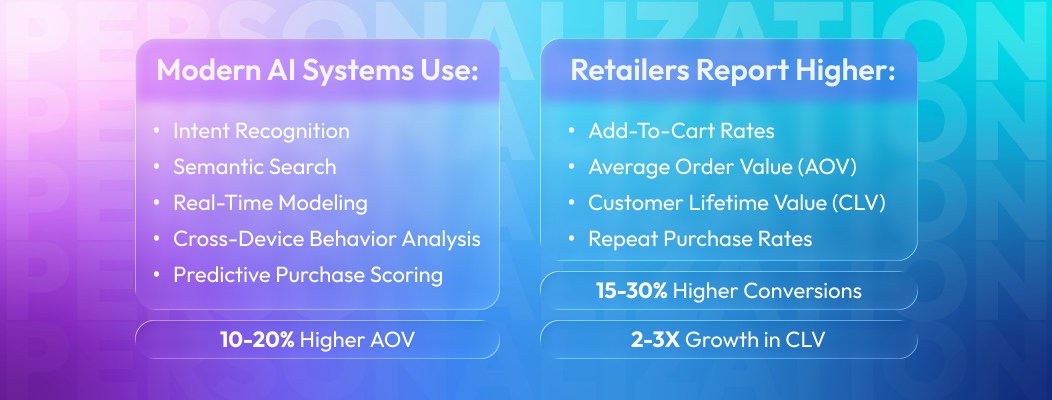
Personalization has long been associated with conversion improvements, but what’s changed is the quality of personalization made possible by generative AI.
Modern AI systems use:
-
Intent recognition
-
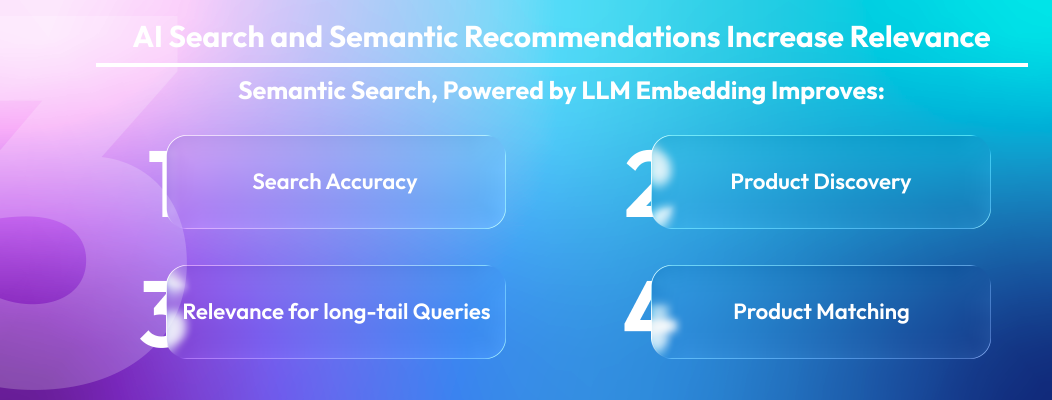
Semantic search
-
Real-time preference modeling
-
Cross-device behavior analysis
-
Predictive purchase scoring
These capabilities drive measurable improvements through AI customer behavior analysis, where retailers can predict future actions and deliver precisely timed interventions that feel helpful rather than intrusive.
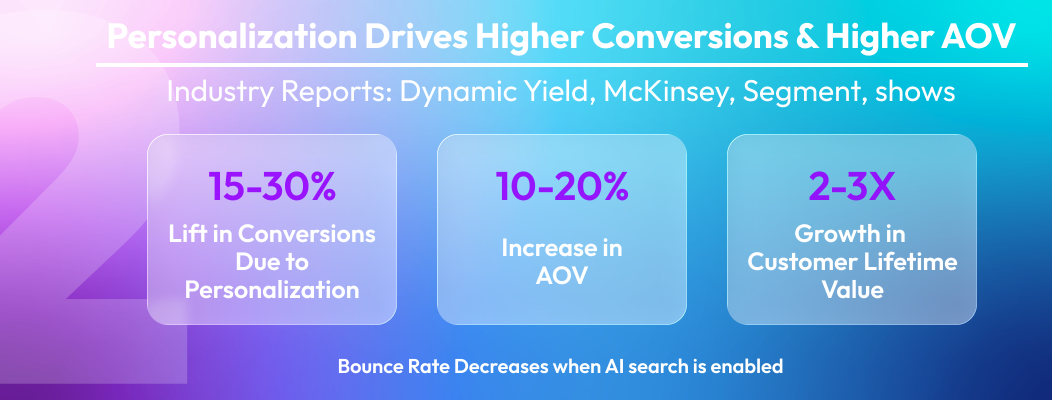
According to McKinsey, companies that excel at personalization generate 40% more revenue from those activities than their average peers.
Meanwhile, reports from Dynamic Yield, McKinsey, and Segment show:
Retailers report higher:
However, Salesforce’s 28% higher return rate for AI-recommended products indicates the importance of ethical, transparent, and context-aware personalization, a trend highlighted in AI & Society (2025).
This hints at an important industry challenge. AI must balance personalization with accuracy, expectation-setting, and transparency.
Otherwise, personalization becomes a source of disappointment instead of delight.
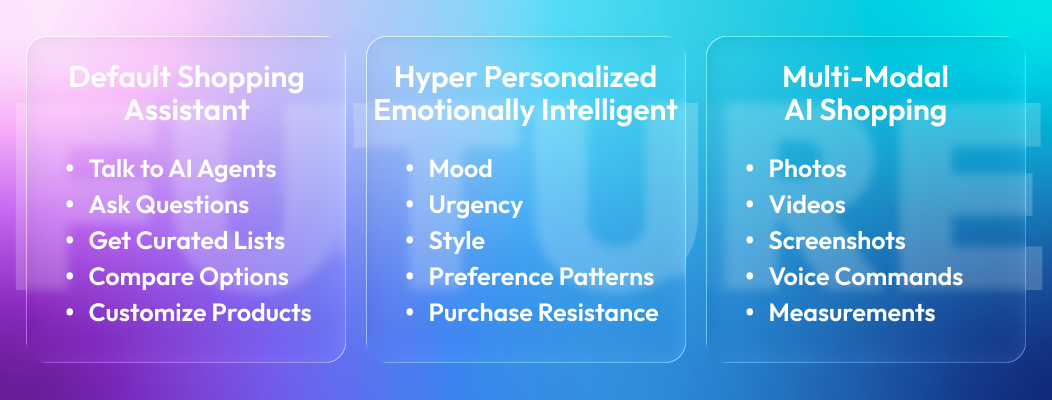
The Rising Expectation: Hyper-Personalized Conversations
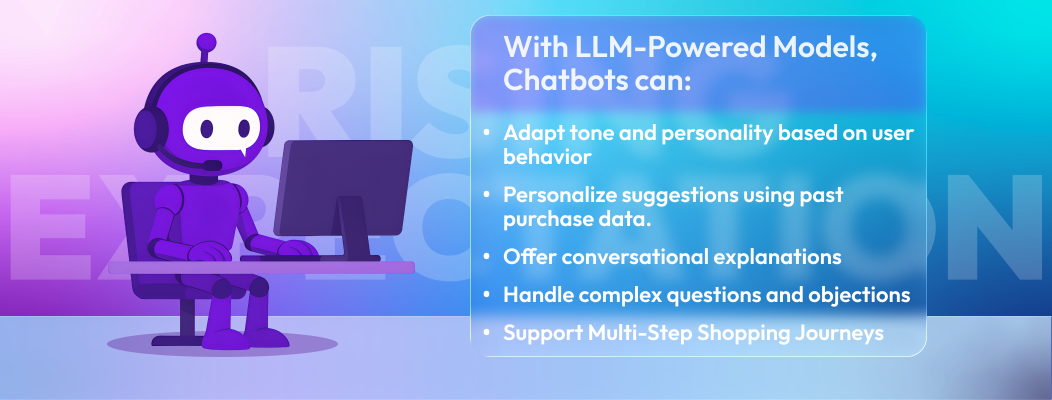
Consumers don’t just want personalized product suggestions; they want personalized interactions. That's why AI chatbots for customer service are becoming essential.
With LLM-powered models, chatbots can:
-
Adapt tone and personality based on user behavior
-
Personalize suggestions using past purchase data
-
Offer conversational explanations (“why this product fits you”)
-
Handle complex questions and objections
-
Support multi-step shopping journeys
-
Seamlessly hand off from product discovery → checkout → post-purchase support
This level of conversational intelligence used to require a trained human. Now AI systems can provide it, even at scale.
And for e-commerce companies, this is where the biggest opportunity lies.

 ChatGPT
 Perplexity
 Claude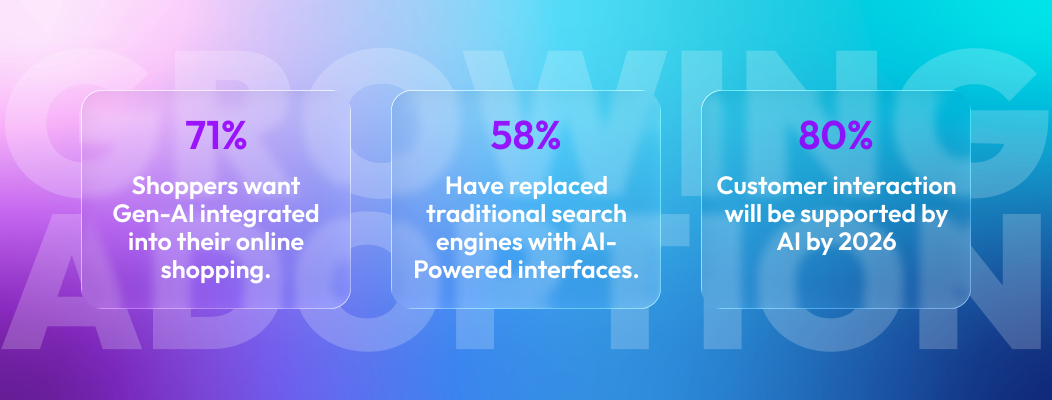






Leave a Comment
Your email address will not be published. Required fields are marked *
By submitting, you agree to receive helpful messages from Chatboq about your request. We do not sell data.