
Customer satisfaction is measured by analyzing customer feedback and behavior using data. Instead of relying on assumptions, analytics helps you quantify how customers experience your product, service, and support.
Growth, ticket volume, or positive reviews don’t always reflect true satisfaction. Customers may stay silent before they churn, and survey results alone rarely tell the full story. What matters is connecting feedback, support performance, and behavioral data into a clear measurement system.
Measuring customer satisfaction means tracking structured metrics and interpreting them in context. It includes survey scores like CSAT and NPS, operational indicators such as response time and first contact resolution, and behavioral signals like retention and repeat purchases. When analyzed together, these metrics reveal whether customer expectations are being met.
To measure customer satisfaction effectively, follow these steps:
-
Step 1 - Define the Right Customer Satisfaction Metrics
-
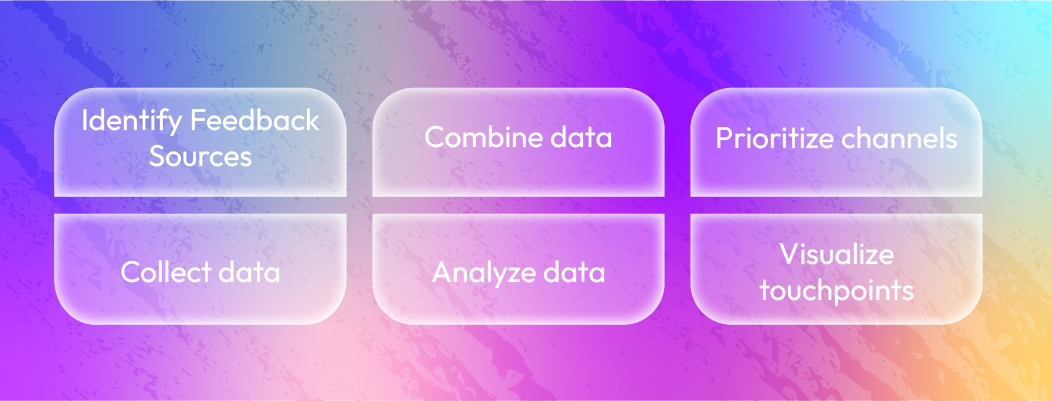
Step 2 - Collect Data Across All Touchpoints
-
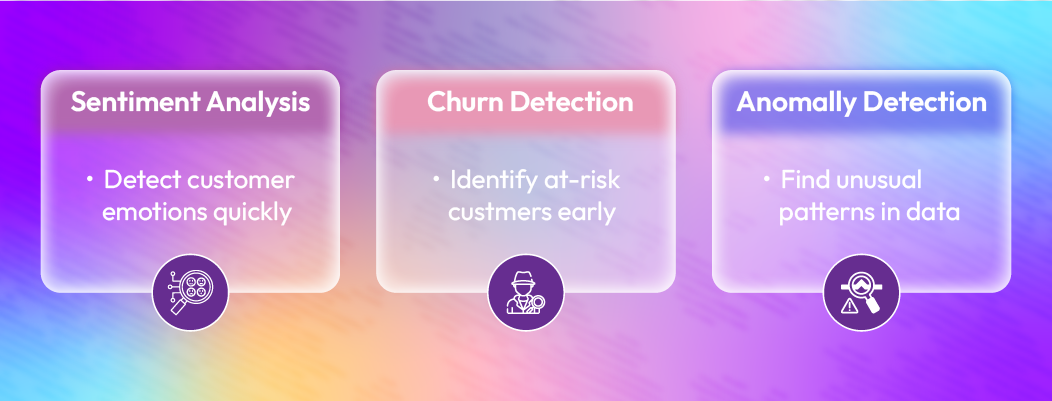
Step 3 - Automate Insights With AI
-
Step 4 - Visualize & Interpret CSAT Metrics
-
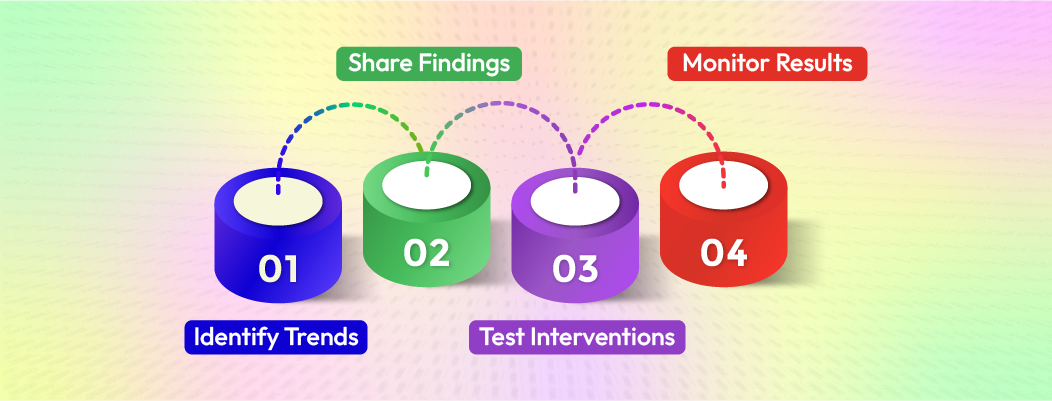
Step 5 - Turn Insights Into Action
By the end of this guide, you’ll understand how to structure your measurement framework, interpret satisfaction data with confidence, and use analytics to improve retention, loyalty, and long-term growth.
 ChatGPT
 Perplexity
 Claude







Leave a Comment
Your email address will not be published. Required fields are marked *
By submitting, you agree to receive helpful messages from Chatboq about your request. We do not sell data.