
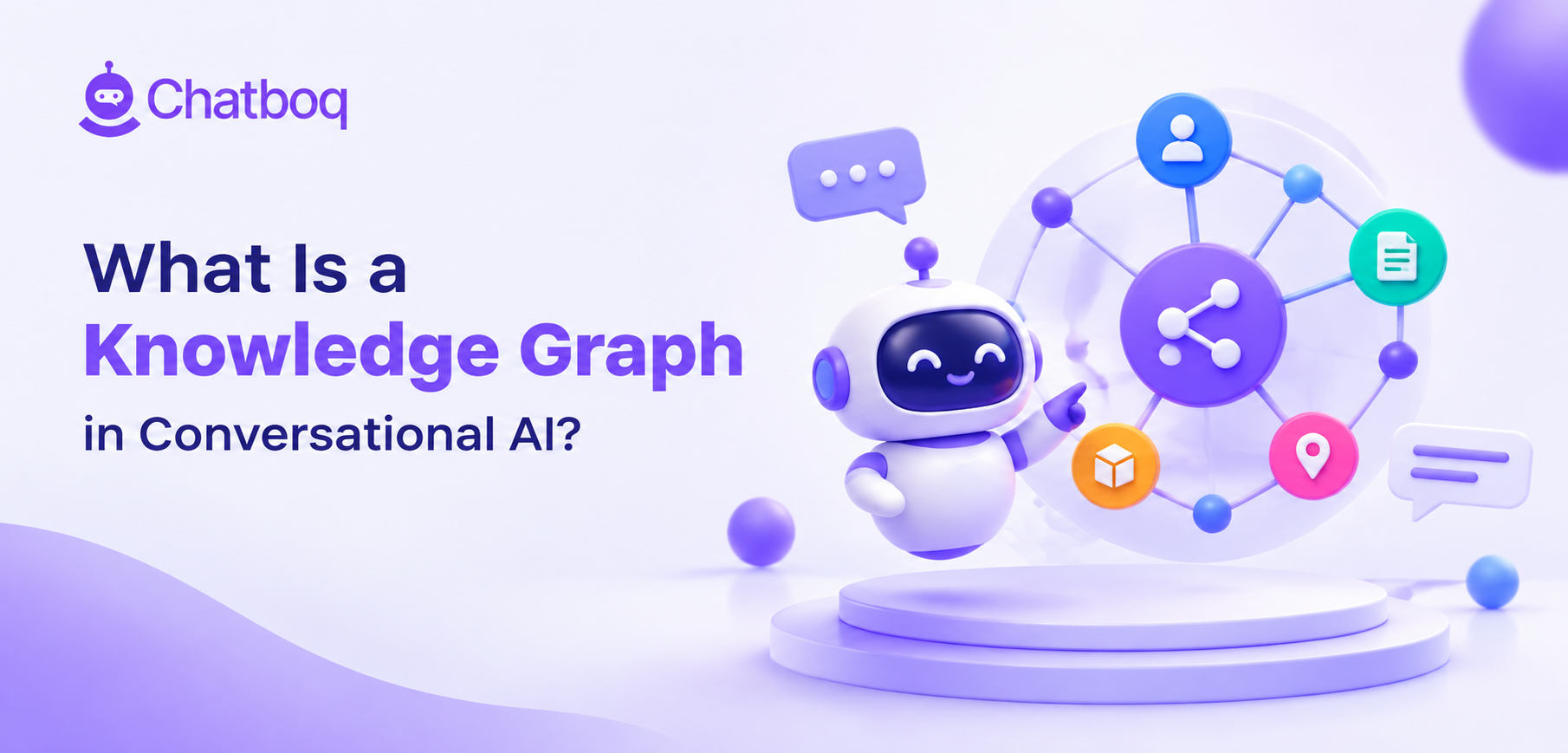
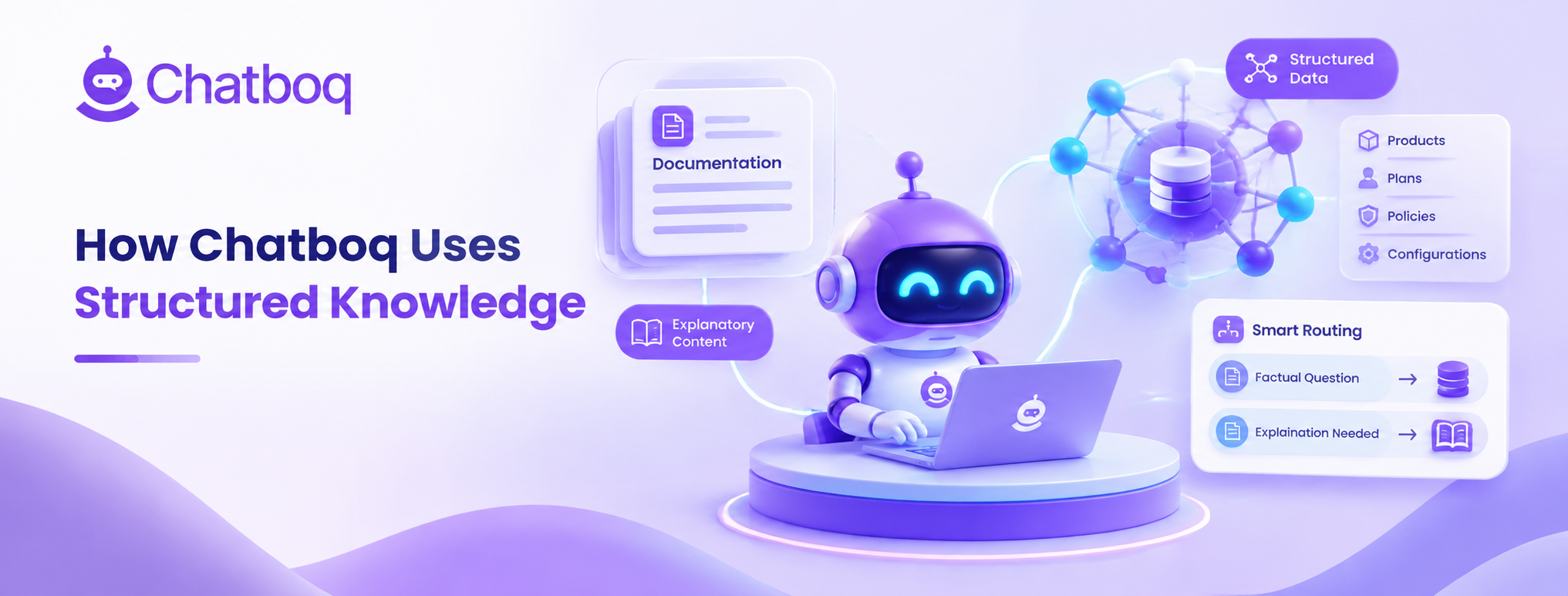
A knowledge graph stores entities as nodes, the relationships between them as edges, and descriptive details as attributes on either.
Entities and attributes
Entities are the things a business talks about, such as products, plans, features, locations, policies and account types, each with attributes describing them.
The discipline of listing entities explicitly is valuable on its own, since most organisations discover their internal vocabulary is less consistent than they assumed.
Relationships as first-class data
The distinguishing feature is that relationships are stored explicitly, so the fact that one product is compatible with another, or that a policy applies only to certain plans, is queryable.
In a document-based system that same fact exists only as a sentence somewhere, which means it can be found but not reliably reasoned about.
The ontology that holds it together
An ontology defines which entity types exist and which relationships are permitted between them, which prevents the graph becoming an unmaintainable tangle.
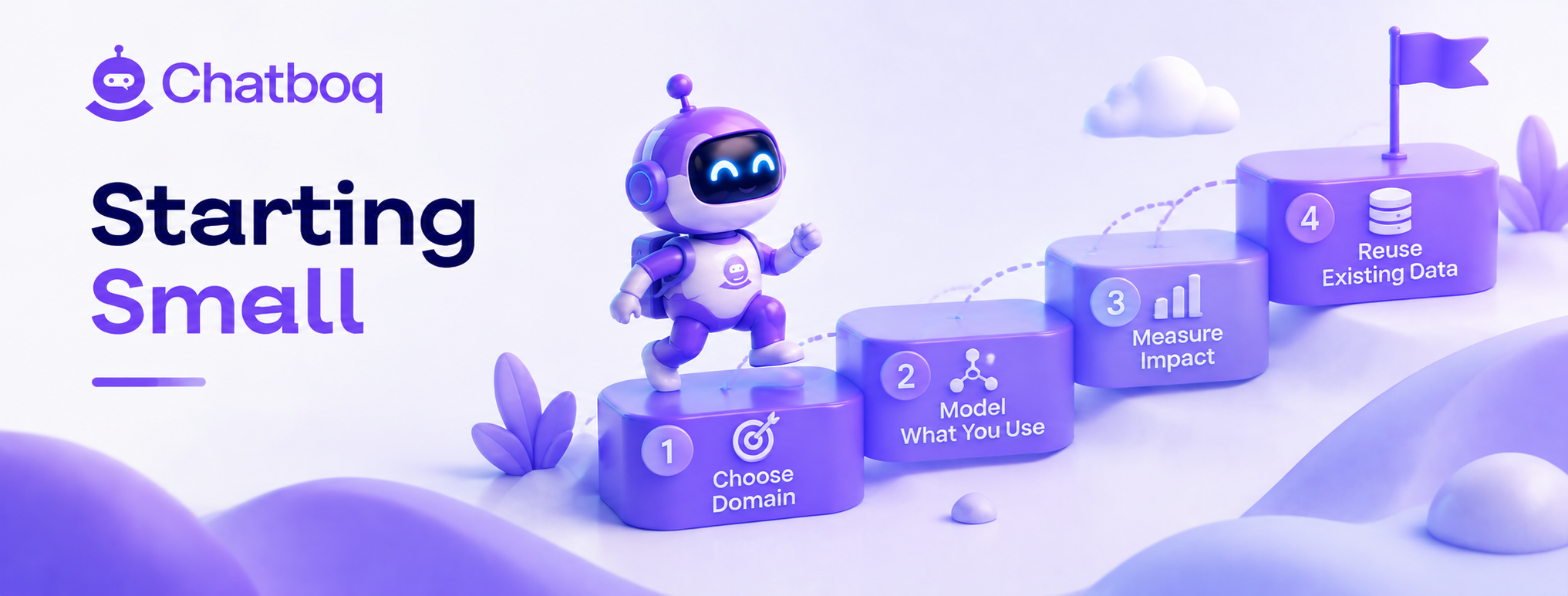
Keeping the ontology small at the start is essential, since ambitious schemas designed before real usage almost always model distinctions nobody needs.
 ChatGPT
 Perplexity
 Claude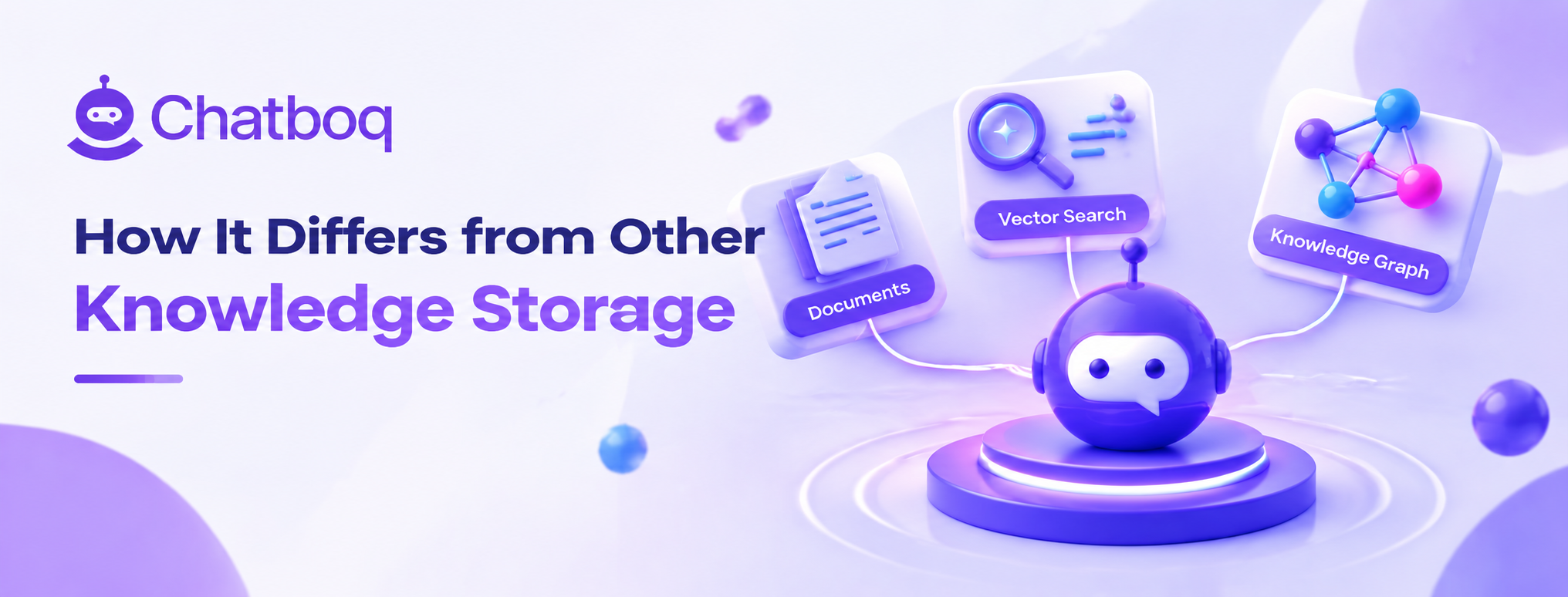




Leave a Comment
Your email address will not be published. Required fields are marked *
By submitting, you agree to receive helpful messages from Chatboq about your request. We do not sell data.