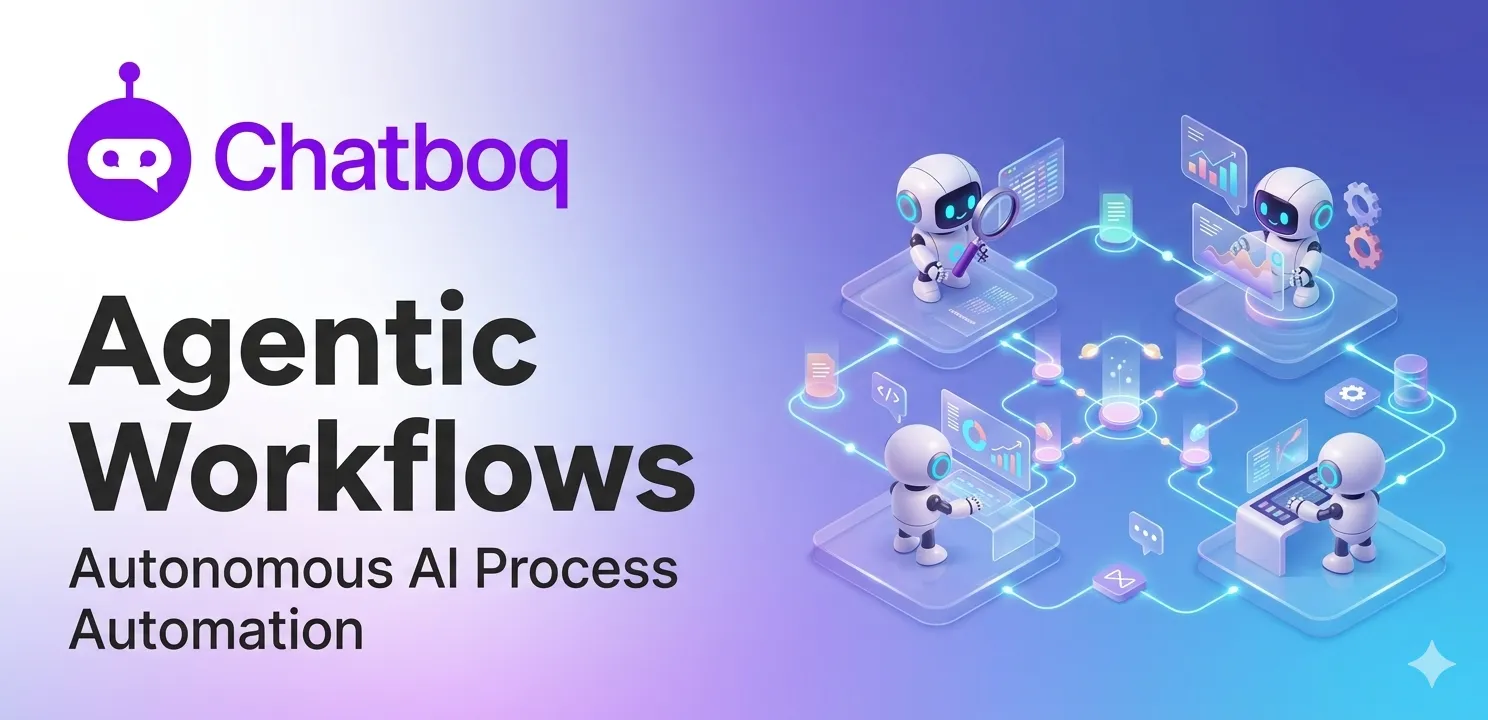
Core components include autonomous AI agents with reasoning capabilities, orchestration layers coordinating work, memory and context management preserving information, tools and integrations extending capabilities, and monitoring systems tracking execution.
AI agents and roles
Agents are AI systems with specific roles and expertise domains. A research agent specializes in finding information. A decision agent recommends actions based on analysis. An execution agent implements decisions and communicates results. Each agent has distinct capabilities.
Research agents excel at gathering information from multiple sources. Analysis agents excel at reasoning and pattern recognition. Execution agents excel at implementation and communication. Agents have constraints and boundaries. Role definitions prevent agents from operating outside their expertise domain and causing problems.
Orchestration layer
Orchestration coordinates all agents and manages workflow execution.Large enterprise AI workflows often coordinate autonomous AI agents across APIs, databases, workflow automation platforms, and external AI infrastructure simultaneously. It routes work between agents, manages information flow, tracks progress, and makes routing decisions.
The orchestration layer tracks workflow state continuously. The workflow execution engine coordinates orchestration timing, task delegation, execution sequencing, and workflow monitoring across autonomous AI agents. Which agents have completed work? What information is available? What's the next step?
Orchestration engines handle massive complexity. They manage dozens of agents and thousands of workflow instances simultaneously without human intervention or bottlenecks.
Memory and context
Memory preserves information across task steps. Agent memory and context management systems become increasingly important as orchestration workflows scale across distributed execution environments. Agent A learns something important. Agent B needs that knowledge immediately.
Context includes conversation history, customer background, and previous interactions. Context is passed between agents automatically. Agent memory and context management systems preserve workflow intelligence across execution workflows and orchestration layers. Memory systems enable agents to reference past decisions, preventing repeated mistakes and ensuring consistency across workflow execution.
Tools and integrations
Tools extend agent capabilities significantly. Agents can search databases, send emails, call APIs, access files, and interact with systems. LLM orchestration frameworks coordinate tool calling, context management, and reasoning systems across autonomous AI agents. Integrations connect workflows to business systems. CRM data, payment systems, inventory systems become accessible. Tool availability determines what agents can accomplish and how efficiently they work.
Monitoring and evaluation
Workflow monitoring systems continuously track orchestration health, execution workflows, multi-agent coordination, and process automation performance. Which workflows run? How long do they take? Do they succeed? Execution analytics systems evaluate workflow performance using throughput, orchestration reliability, execution latency, and automation success metrics. Are goals achieved? Are customers satisfied? Are processes efficient? Logs capture detailed information. When debugging is needed, logs show exactly what happened.

 ChatGPT
 Perplexity
 Claude



Leave a Comment
Your email address will not be published. Required fields are marked *
By submitting, you agree to receive helpful messages from Chatboq about your request. We do not sell data.