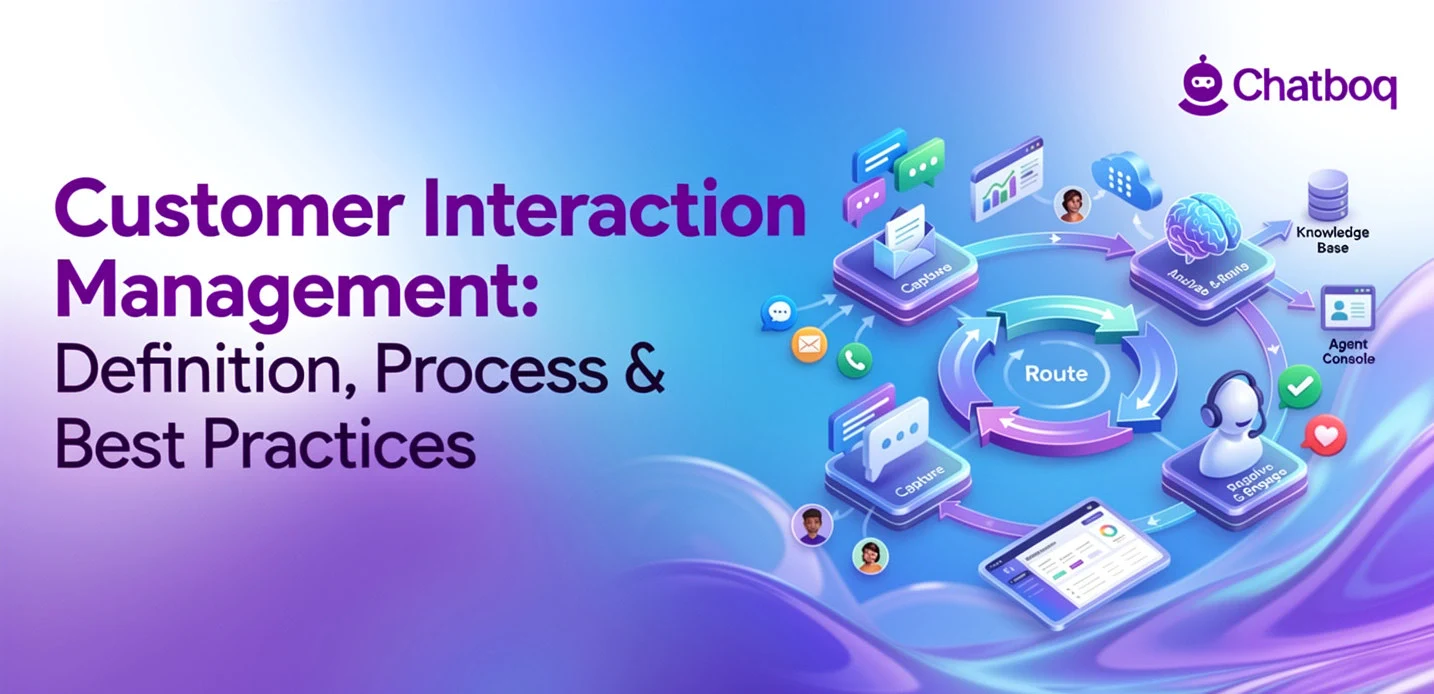
AI is shifting Customer Interaction Management from reactive handling to context-driven orchestration of interactions across the entire lifecycle. The core change is not speed or automation, but decision intelligence applied before, during, and after interactions.
AI-Powered Customer Support
AI handles structured, repeatable interaction types such as FAQs, status checks, and basic troubleshooting without human involvement. The key shift is not deflection, but context-aware resolution using unified customer history and knowledge systems, which determines whether an issue can be fully resolved or needs escalation.
Real-Time Agent Assistance
During live interactions, AI surfaces relevant context such as prior tickets, account signals, and suggested responses. This reduces dependency on manual search and improves decision accuracy in real time, especially in high-volume support environments where context switching is the primary failure point.
Conversation Summarization
AI compresses long multi-turn interactions into structured summaries containing intent, actions taken, unresolved issues, and customer sentiment. This eliminates context loss during escalations and reduces onboarding time for next-level agents who would otherwise reconstruct the interaction manually.
Sentiment Analysis
AI detects emotional signals such as frustration, urgency, or churn risk across messages and voice interactions. The value is not labeling sentiment, but triggering operational responses like escalation, priority routing, or proactive retention actions before explicit complaints occur.
Predictive Interaction Routing
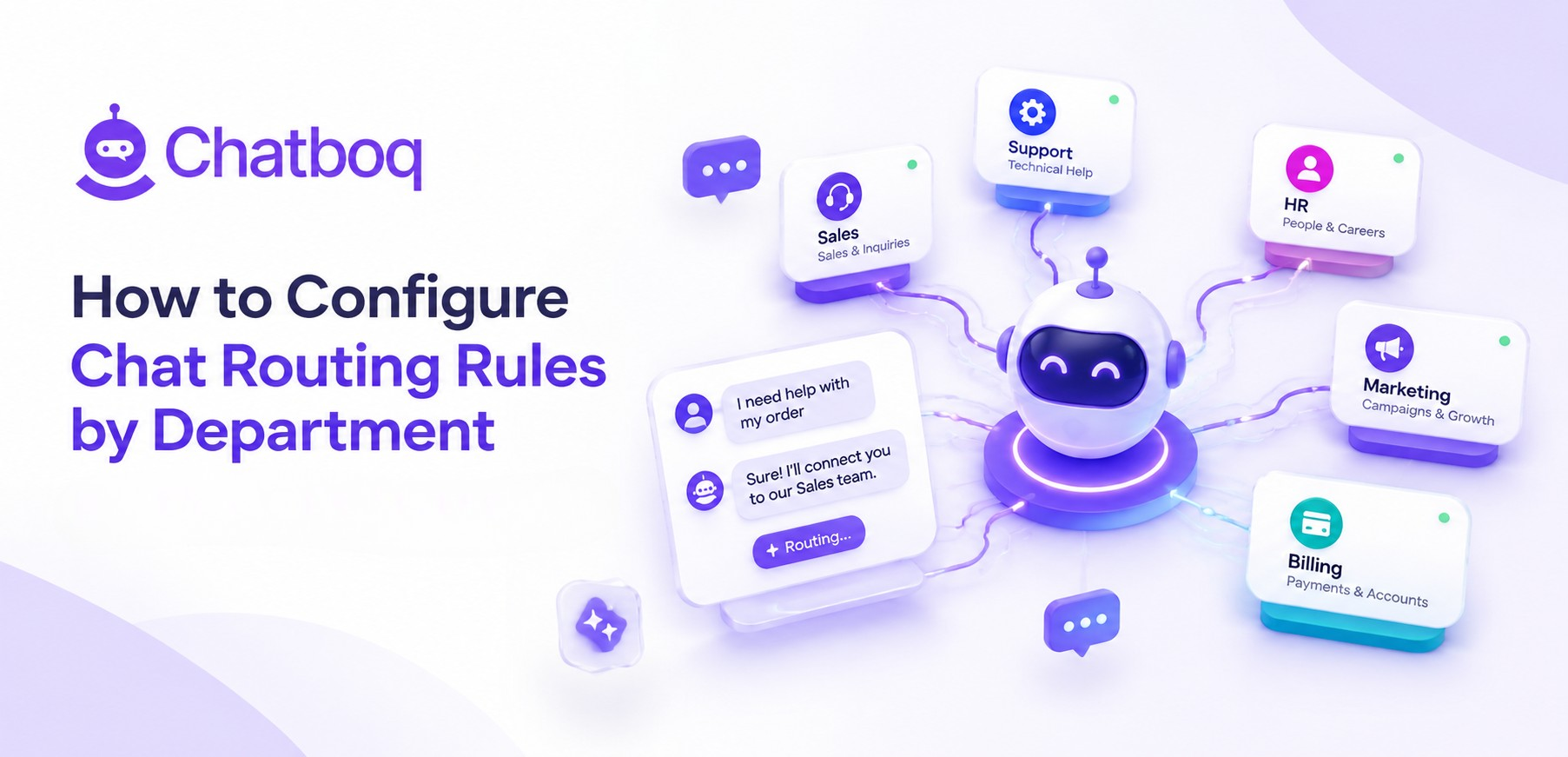
Instead of routing based only on keywords or rules, AI uses historical interaction patterns, customer value, sentiment, and lifecycle stage to determine optimal assignment. This reduces misrouting, improves first contact resolution, and aligns agent capability with interaction complexity.
Proactive Customer Engagement
AI identifies behavioral and interaction signals that indicate future needs or risks, such as repeated support visits, declining product usage, or unresolved queries. This enables outreach before the customer initiates contact, shifting CIM from reactive support to pre-emptive intervention systems.
Interaction Intelligence and Insights
AI aggregates interaction data across channels to identify systemic issues such as recurring failure points, underperforming workflows, and product friction patterns. The output is not reporting, but decision signals for operational redesign across support, sales, and customer success.
AI-Powered Personalization
AI uses interaction history, behavioral signals, and lifecycle data to dynamically tailor responses, recommendations, and resolutions. This moves personalization from static rules (like name or segment) to context-aware response generation based on full customer state.
Key Takeaway
The future of CIM is not automated responses.
The future is interaction orchestration.
AI shifts the system from answering interactions to controlling interaction conditions:
-
When interactions should happen
-
Where interactions should happen
-
Who should handle interactions
-
How interactions should be personalized
Before customers initiate contact.

 ChatGPT
 Perplexity
 Claude


Leave a Comment
Your email address will not be published. Required fields are marked *
By submitting, you agree to receive helpful messages from Chatboq about your request. We do not sell data.