
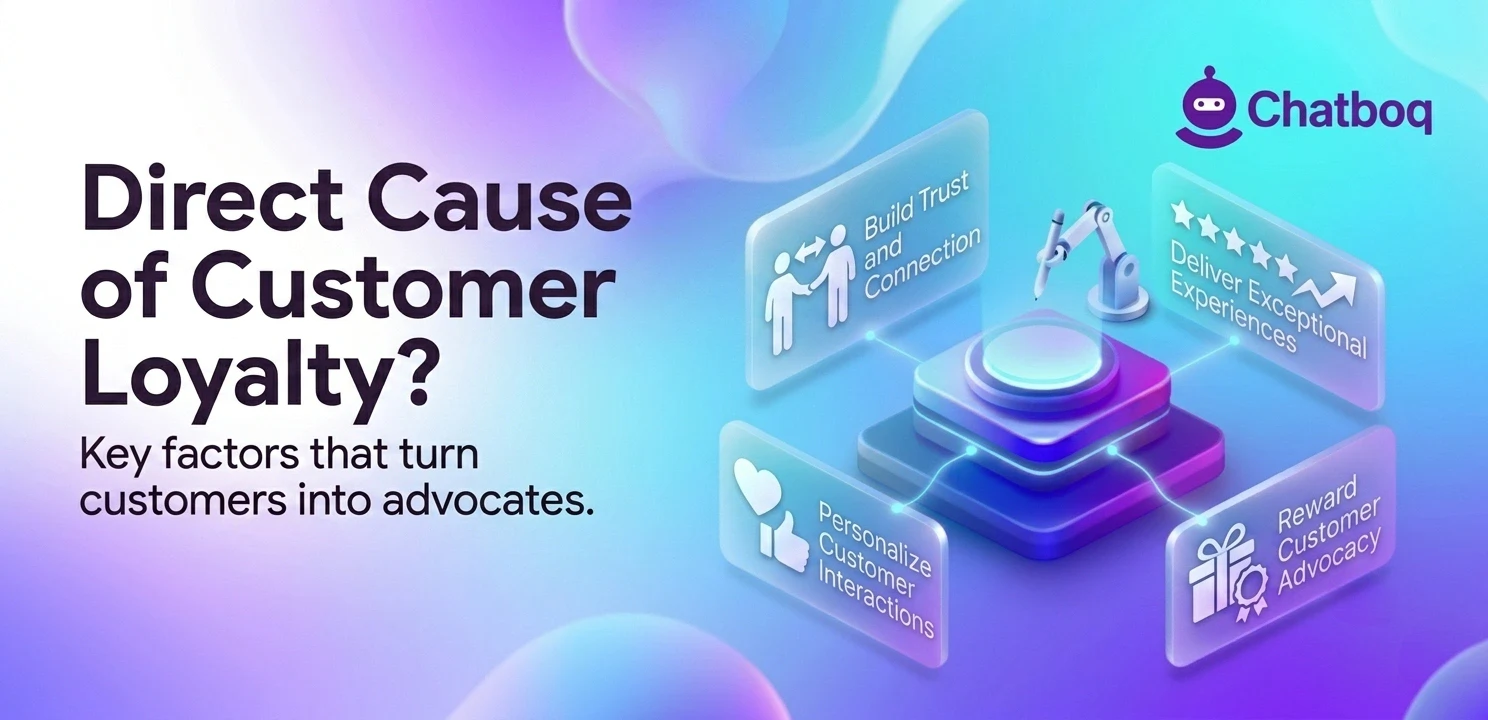
The most direct cause of customer loyalty is trust created through consistently positive customer experiences. Trust forms when a business repeatedly meets expectations across every interaction, and that repeated reliability is what converts a satisfied transaction into a loyal relationship.
Loyalty is a consequence, not a starting point. No business creates loyalty directly through a single tactic, reward, or campaign. Loyalty accumulates as a downstream result of trust, and trust accumulates as a downstream result of consistent experience quality over time.
Customer loyalty is often confused with retention, satisfaction, and repeat purchasing, but each reflects a different stage of the customer relationship. True loyalty extends beyond continued transactions and includes customer preference, emotional commitment, and advocacy, making it a broader business outcome than most loyalty metrics suggest.
Multiple factors influence whether customer loyalty strengthens or weakens over time. These include value, convenience, recognition, customer service quality, personalization, and industry-specific loyalty drivers. Modern technologies such as AI chatbots and customer messaging platforms also affect how customers experience and evaluate a brand.
 ChatGPT
 Perplexity
 Claude



Leave a Comment
Your email address will not be published. Required fields are marked *
By submitting, you agree to receive helpful messages from Chatboq about your request. We do not sell data.