
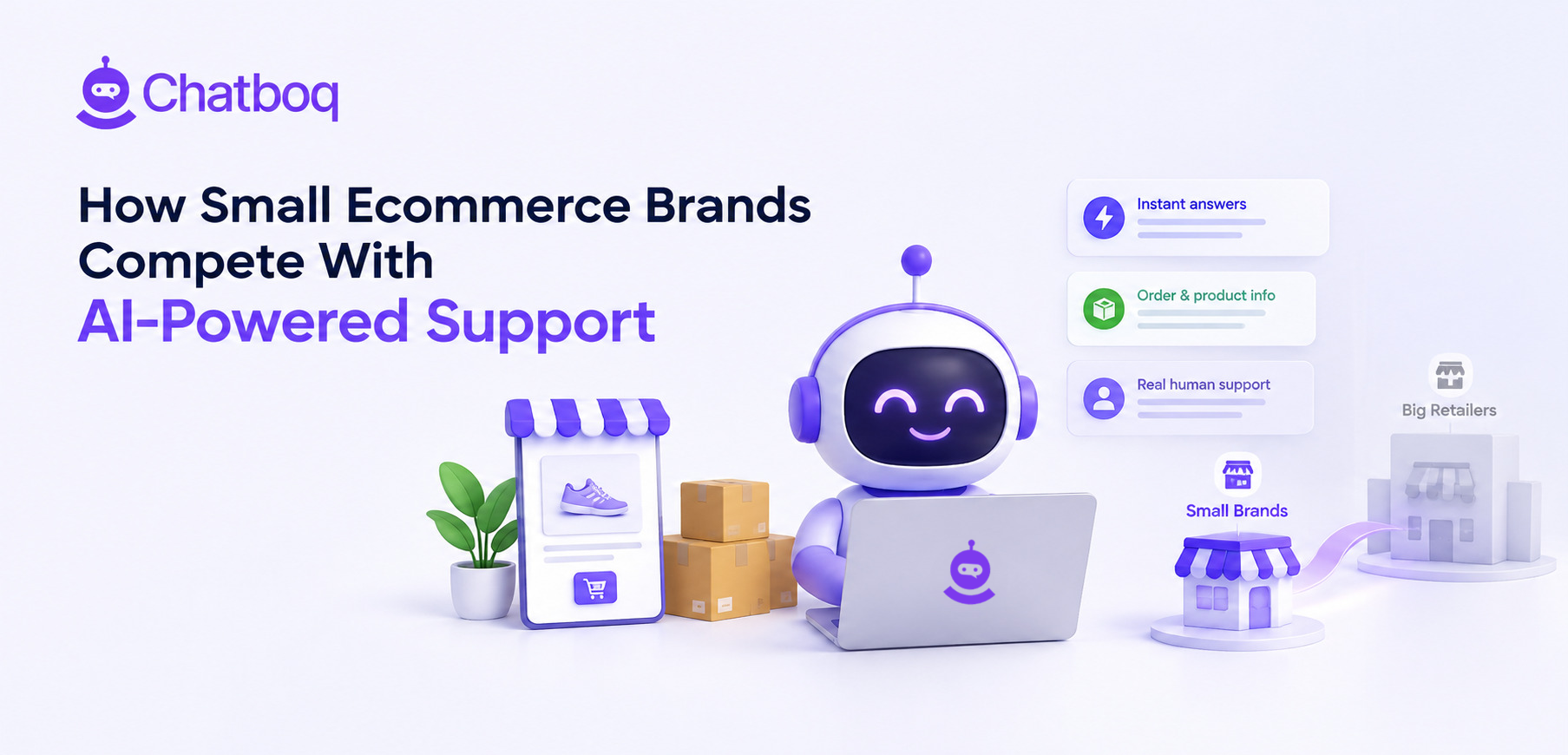
Product knowledge, policy flexibility and access to a decision maker are structural advantages a large retailer cannot replicate.
Knowing the product properly
A brand selling forty products knows each one in a way a retailer selling forty thousand cannot, and this shows in every answer.
Questions about how something wears, what it suits and how it compares are answerable specifically rather than generically.
Being able to say yes
A small brand can make an exception in a single conversation where a large retailer's agent must apply a policy they did not set.
This flexibility is a genuine differentiator and customers notice it immediately.
Actual personality
Support that sounds like a person rather than a corporation is easier for a small brand and is something customers respond to.
This should extend to the automated responses rather than being abandoned the moment automation is introduced.
Deciding quickly
An unusual request can be resolved in minutes rather than escalated through tiers, which is a structural advantage of being small.
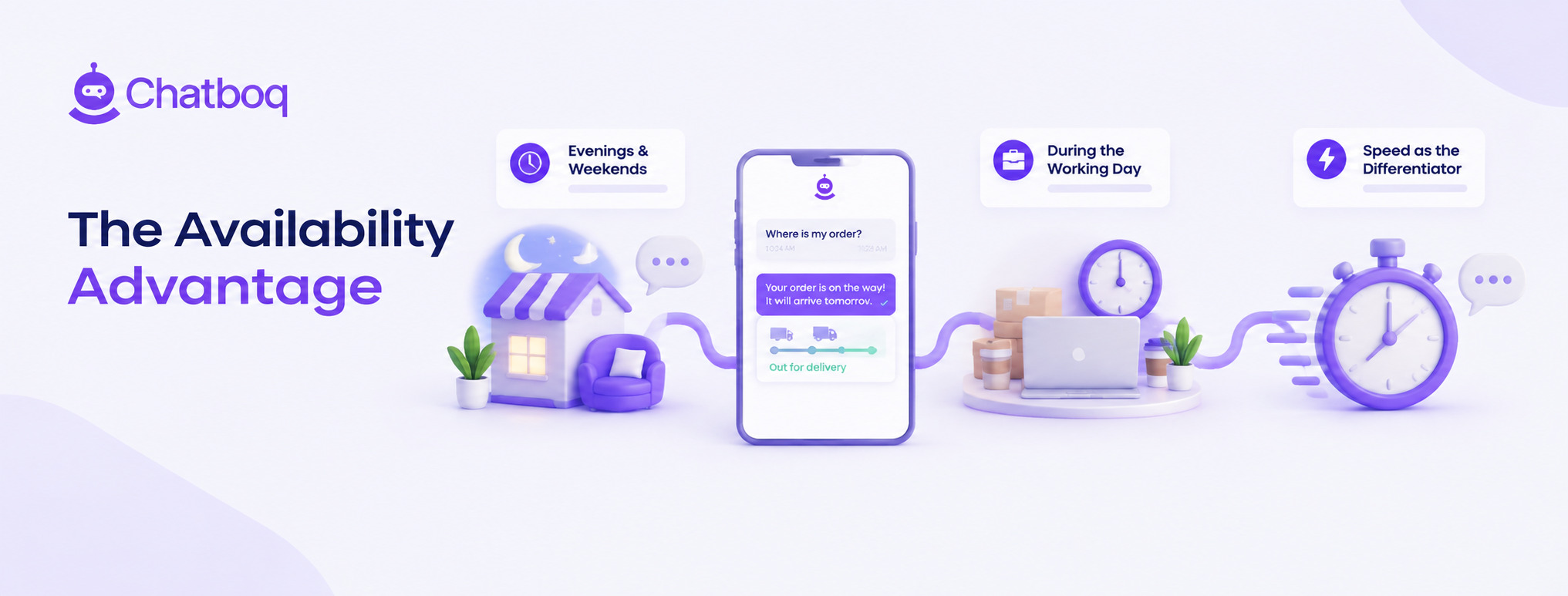
The constraint is availability, which is precisely what automation addresses.
Founder access
Customers reaching someone who owns the business is something no large retailer offers, and it converts complaints into loyalty.
Automation should protect this rather than replace it, by removing the routine volume that consumes the founder's day.
 ChatGPT
 Perplexity
 Claude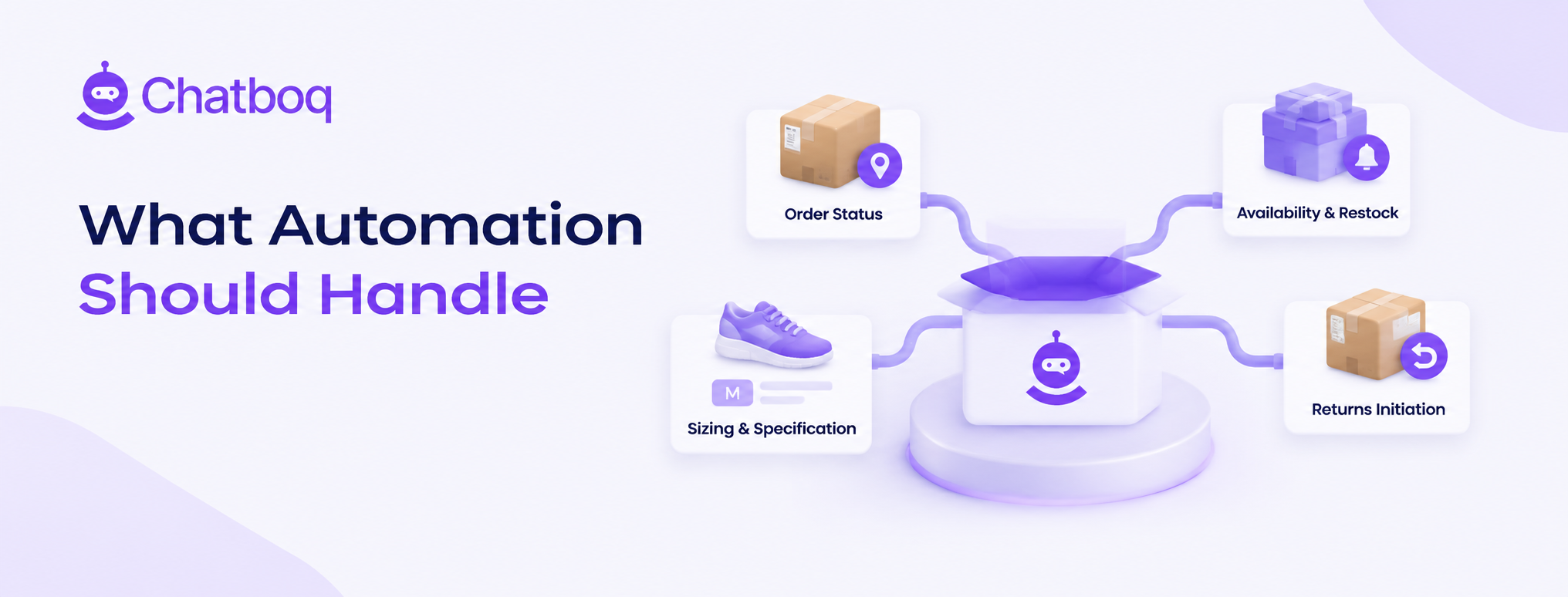




Leave a Comment
Your email address will not be published. Required fields are marked *
By submitting, you agree to receive helpful messages from Chatboq about your request. We do not sell data.