If you’re exploring Chatfuel alternatives, these platforms can help you handle customer conversations, automate repetitive tasks, and manage messaging across Messenger, Instagram, and websites. Each tool offers different features, so you can find the right fit for your team’s size, workflow, and support needs.
1. Chatboq - All-in-One AI Chatbot and Live Chat Platform
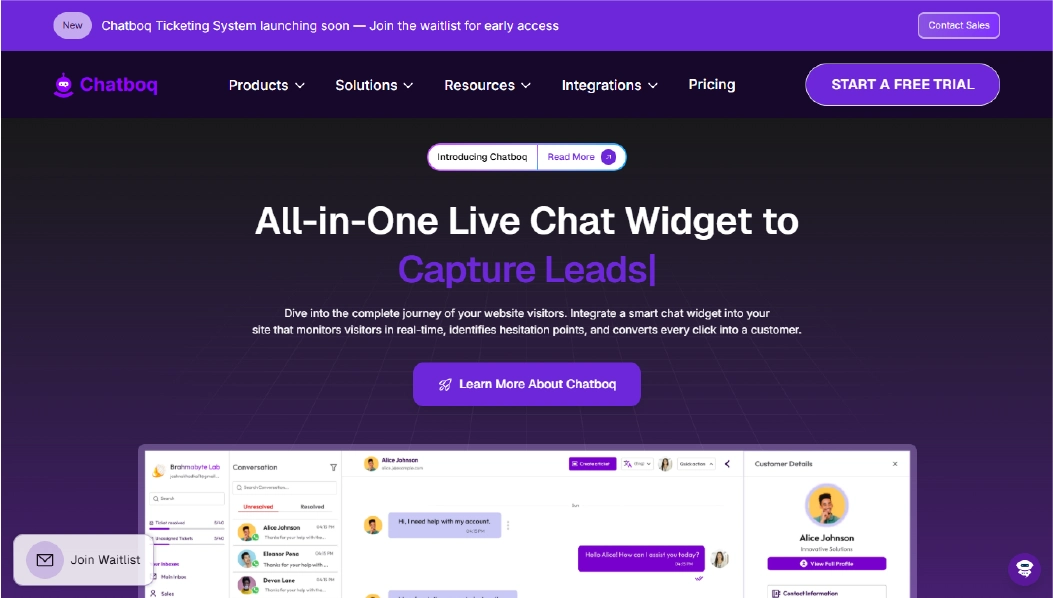
Chatboq is a unified platform combining live chat, AI chatbots, and an omnichannel inbox. It allows teams to manage website, email, and social messages in one place, providing both automation and human-controlled responses. The platform focuses on real-time visitor insights and ensures teams can engage at the right moment without losing the human touch.
Chatboq supports quick setup and is designed to work across desktop and mobile devices, making it accessible for small-to-medium businesses and ecommerce teams looking for efficient AI-driven customer support.
Why It’s a Strong Chatfuel Alternative
Chatboq is a strong alternative to Chatfuel because it extends beyond social media messaging. While Chatfuel is focused primarily on Facebook Messenger and Instagram automation, Chatboq combines live chat, email, and multi-platform messaging in one inbox. This helps teams reduce tool fragmentation and maintain smoother customer interactions.
Additionally, Chatboq offers AI-powered workflows alongside human handoff, so teams can automate repetitive tasks while keeping control over complex conversations. Its real-time visitor analytics also give actionable insights that Chatfuel’s native reporting does not fully provide.
Chatboq Core Strengths
-
Omnichannel messaging across web, email, and social platforms enables faster customer responses and reduces missed messages
-
AI chat automation handles routine questions, with human handoff for complex queries to maintain accuracy and engagement.
-
Real-time visitor analytics for proactive engagement
-
Mobile apps for iOS and Android
-
Built-in ticketing system and CRM
Why Chatboq Is Better Than Chatfuel
Chatboq provides a broader messaging scope than Chatfuel, supporting multiple channels from a single inbox. Teams can respond faster, manage workflows more efficiently, and capture leads from various sources without switching platforms.
Moreover, Chatboq’s analytics and reporting focus on operational insights, helping teams identify high-intent visitors and optimize engagement strategies. This makes it a practical choice for growing businesses that need both automation and human-controlled interactions.
Limitations
-
Limited advanced marketing automation compared to specialized tools
-
Some integrations require setup via third-party connectors
-
Learning curve for teams new to multi-channel workflows
Best For
-
SMBs needing AI chat automation across multiple channels
-
eCommerce teams capturing leads and recovering abandoned carts
-
Businesses wanting real-time visitor insights alongside AI assistance
Pricing Snapshot
-
Flexible subscription-based plans
-
Free tier available with basic live chat and AI features
-
Paid plans add advanced reporting, CRM integrations, and omnichannel support
2. Drift - Conversational Marketing & Sales Chat

Drift focuses on helping businesses engage website visitors in real time and convert them into qualified leads. Its AI chat agents automate initial conversations, qualify prospects, and route them to the right team members. Drift also provides insights into visitor behavior to support sales and marketing decisions.
For B2B teams, Drift is useful for accelerating pipeline growth and tracking engagement metrics. While it does not specialize in multi-channel social messaging like Chatfuel, it strengthens early-stage lead qualification and data-driven sales strategies.
Limitations
-
Limited support for social media and multi-channel automation
-
More suited for B2B lead generation than general customer support
-
Pricing can be higher for small teams
-
Fewer pre-built chatbot templates compared to Chatfuel
Pricing Snapshot
-
Tiered subscription plans
-
Pricing scales with features and team size
-
Advanced tools like Fastlane and reporting included in higher tiers
Evaluate the best Drift alternatives and choose the one that suits your requirements.
3. ManyChat - Messenger & Social Automation Platform

ManyChat is designed to help businesses automate messaging on Facebook, Instagram, and SMS. It allows teams to build chatbots without coding, manage subscriber lists, and send targeted campaigns. ManyChat emphasizes marketing automation, including abandoned cart messages, promotional sequences, and lead capture workflows.
Unlike Chatfuel, ManyChat comes with ready-made marketing templates and campaign workflows, helping small businesses engage audiences more efficiently. It’s particularly useful for teams looking to combine messaging with marketing campaigns on social channels.
Limitations
-
Limited support for web chat or multi-channel integrations
-
Advanced AI capabilities are not as robust as Chatfuel’s for complex workflows
-
Reporting and analytics are mostly marketing-focused
-
Fewer options for deep eCommerce platform integrations
Pricing Snapshot
-
Free tier with basic features
-
Paid plans scale with subscriber count and additional automation features
-
Higher tiers include advanced segmentation, analytics, and premium support
Look through the top Manychat alternatives and choose the right one for your business.
4. ChatBot - AI-Powered Customer Support Platform
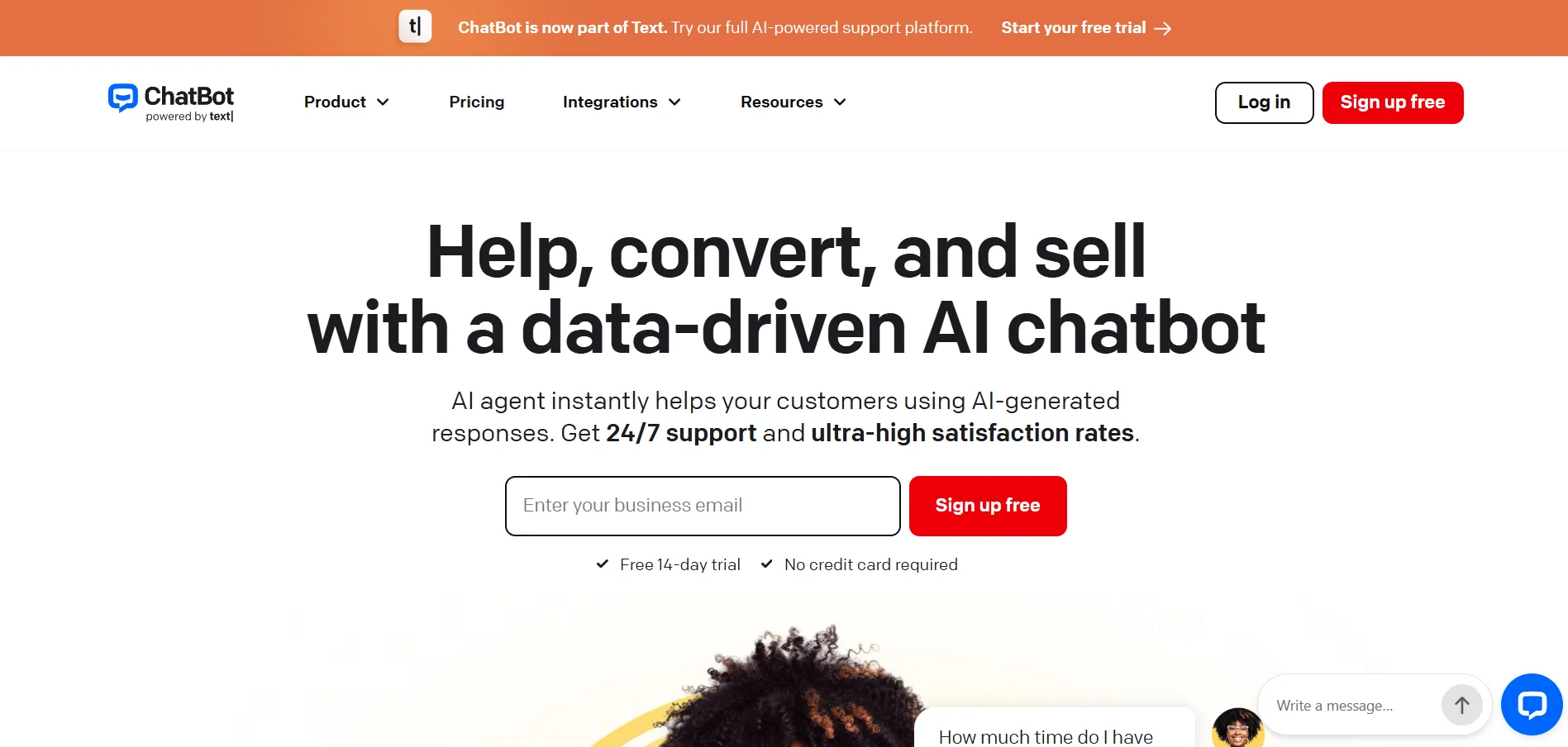
ChatBot is a platform designed to help businesses create automated chat experiences for websites, Facebook Messenger, and other messaging channels. It offers a drag-and-drop builder, ready-made templates, and workflow automation to handle common customer queries. ChatBot is suitable for teams that want a no-code solution to provide consistent responses without needing developers.
While Chatfuel focuses on Messenger and Instagram, ChatBot also covers web-based chat, giving teams broader customer support options. It’s practical for teams aiming to automate website interactions while maintaining a consistent tone and response logic.
Limitations
-
Social media marketing templates are fewer compared to Chatfuel
-
Advanced AI for understanding complex queries is limited
-
Reporting focuses more on conversation metrics than marketing insights
-
Mobile automation for Instagram is less robust than Chatfuel
-
Pricing can increase for higher-tier plans
Pricing Snapshot
-
Subscription-based plans with tiered features
-
Starter plan for basic bots and workflows
-
Higher tiers unlock advanced automation, integrations, and analytics
-
Custom enterprise plans available for larger teams
5. Fin by Intercom - AI-Powered Team Assistant
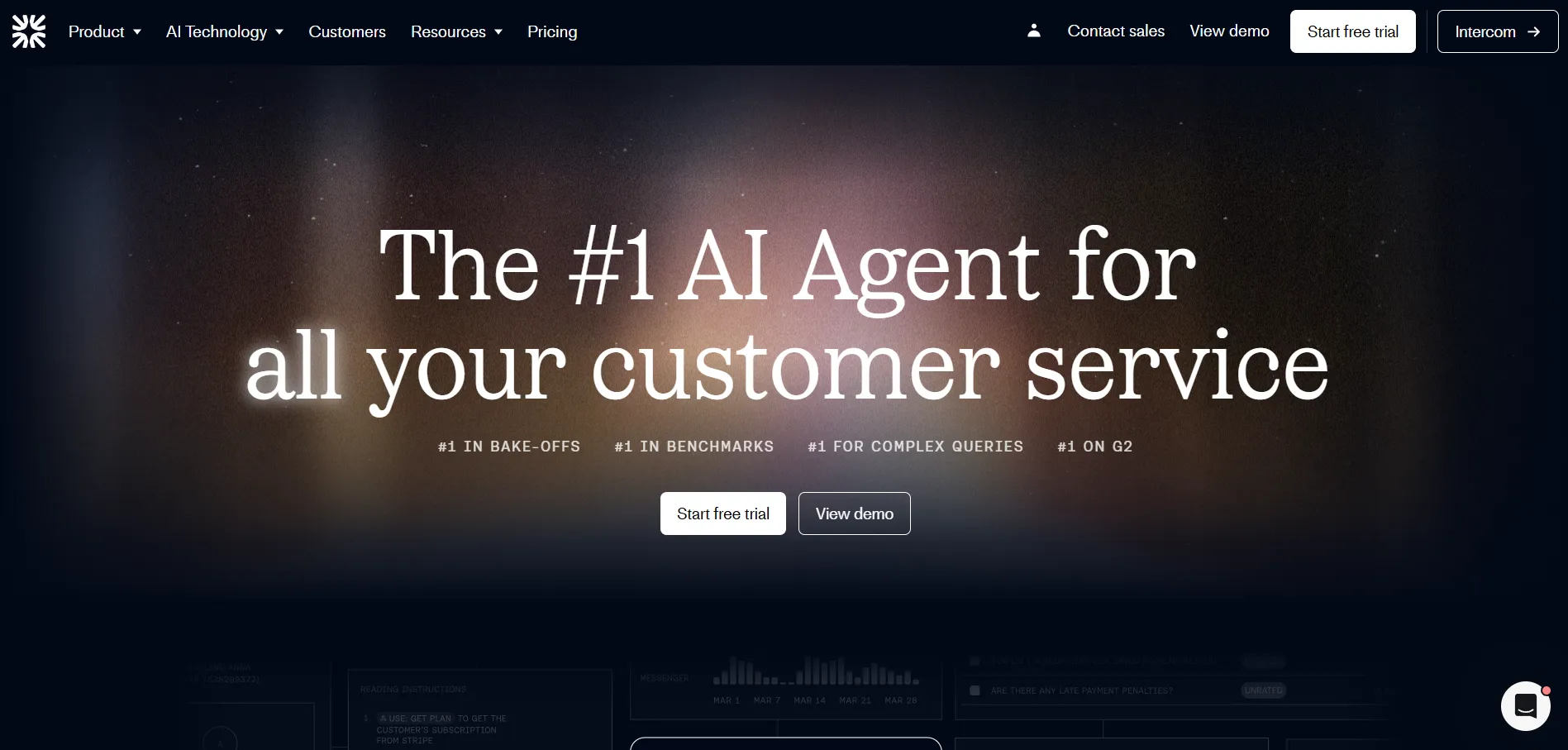
Fin by Intercom is an AI-driven platform that helps teams automate responses, manage workflows, and support customer inquiries more efficiently. It focuses on providing actionable AI assistance for sales, support, and internal collaboration, reducing manual follow-ups and repetitive tasks.
Compared to Chatfuel, which is primarily centered on Messenger and Instagram automation, Fin by Intercom emphasizes AI support for multi-channel communication and team productivity. Fin by Intercom works well for businesses that want AI to manage routine chats while letting humans handle complex inquiries.
Limitations
-
Less focused on social media marketing automation than Chatfuel
-
AI capabilities depend on quality of data and training
-
Reporting dashboards are less intuitive for marketing metrics
-
Higher-tier plans may be expensive for small businesses
-
Limited template library compared to Chatfuel
Pricing Snapshot
-
Subscription-based, per-agent pricing model
-
Starter plans for small teams with basic AI support
-
Advanced plans unlock workflow automation and analytics
-
Custom enterprise plans available for larger teams
Browse these Intercom alternatives and select the most effective tool for your business.
6. Tidio - AI Chatbots & Live Chat
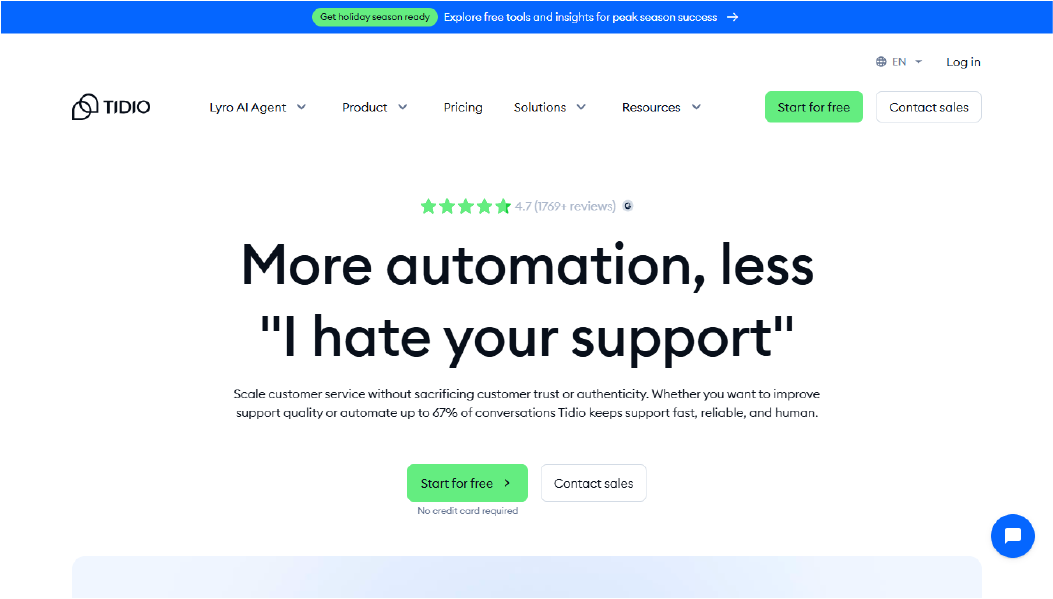
Tidio is a live chat and AI chatbot platform designed for small to medium eCommerce stores. It enables teams to automate responses, recover abandoned carts, and manage conversations across web, email, and messaging channels.
Compared to Chatfuel, which focuses mainly on Messenger and Instagram bots, Tidio provides broader eCommerce-oriented support and AI-powered chat for websites. It’s suitable for teams that want a simple setup with AI assistance to increase engagement and conversions.
Limitations
-
Less advanced AI customization than Chatfuel for Messenger flows
-
Some integrations may require paid plans
-
Limited deep analytics compared to enterprise solutions
-
Workflow templates are basic for complex use cases
-
Free tier has feature restrictions
Pricing Snapshot
-
Free tier with basic live chat and automation
-
Subscription-based paid plans for additional features
-
Scalable pricing based on the number of active chats and contacts
-
Optional add-ons for advanced automation and multi-channel messaging
Survey the top Tidio alternatives and select the winning solution for your team.
7. UChat - Multi-Platform Bot Builder
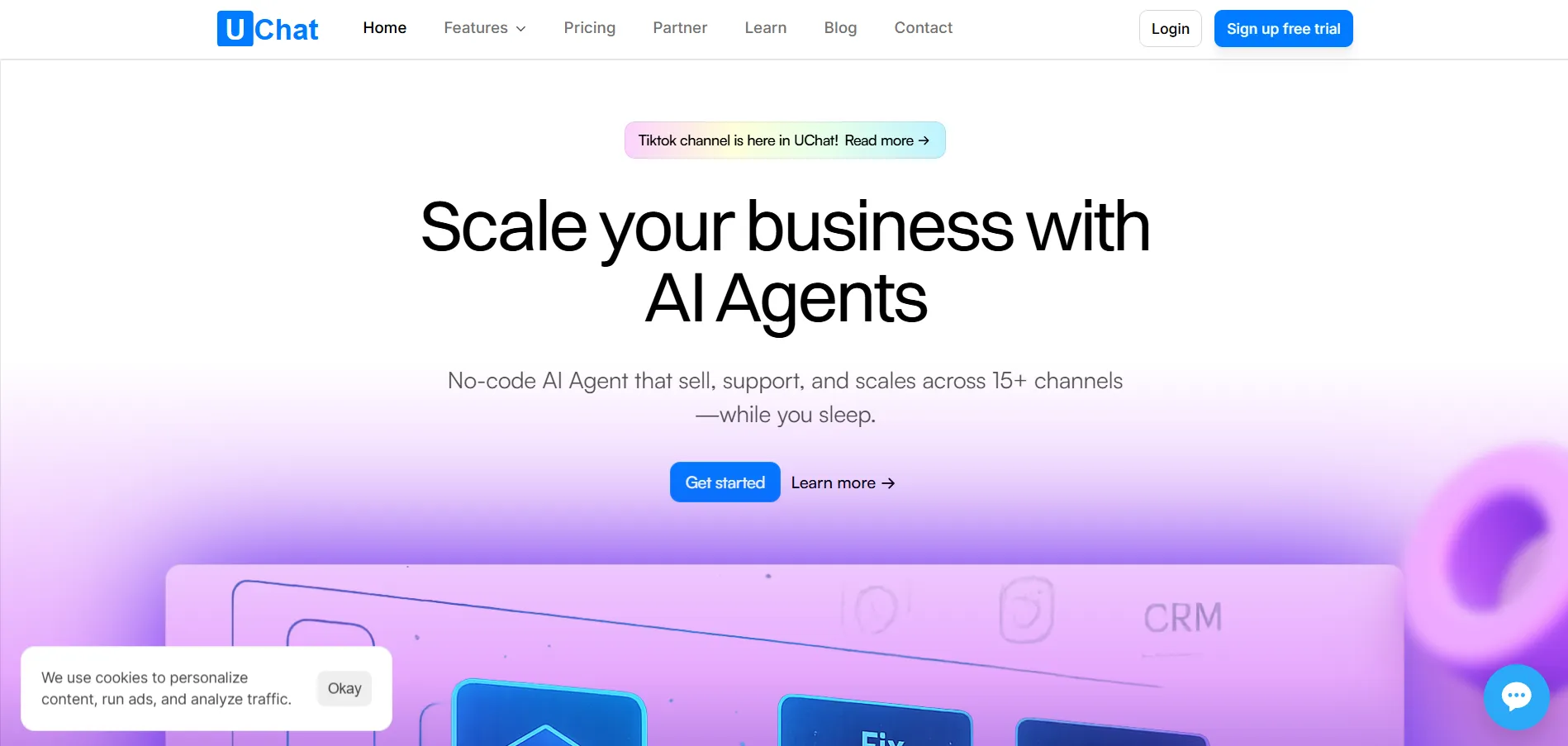
UChat is a chatbot platform that allows businesses to build AI-powered bots for multiple channels, including web, Facebook Messenger, WhatsApp, and Instagram. It enables automated conversations, lead capture, and simple workflow automation without coding knowledge.
Compared to Chatfuel, which is primarily focused on Messenger and Instagram automation, UChat extends support across more channels, giving teams flexibility to manage conversations from one platform.
Limitations
-
AI capabilities are less advanced than some dedicated Messenger bot tools
-
Reporting and analytics are basic compared to enterprise-focused platforms
-
Advanced workflow automation may require additional setup
-
Some integrations require paid plans
-
May be overwhelming for teams only needing single-channel bots
Pricing Snapshot
-
Subscription-based plans depending on number of active bots and channels
-
Free trial available for testing features
-
Paid tiers unlock multi-channel messaging, integrations, and advanced automations
-
Flexible plans suitable for SMBs and growing teams
8. HelpCrunch - Customer Communication & Email Automation
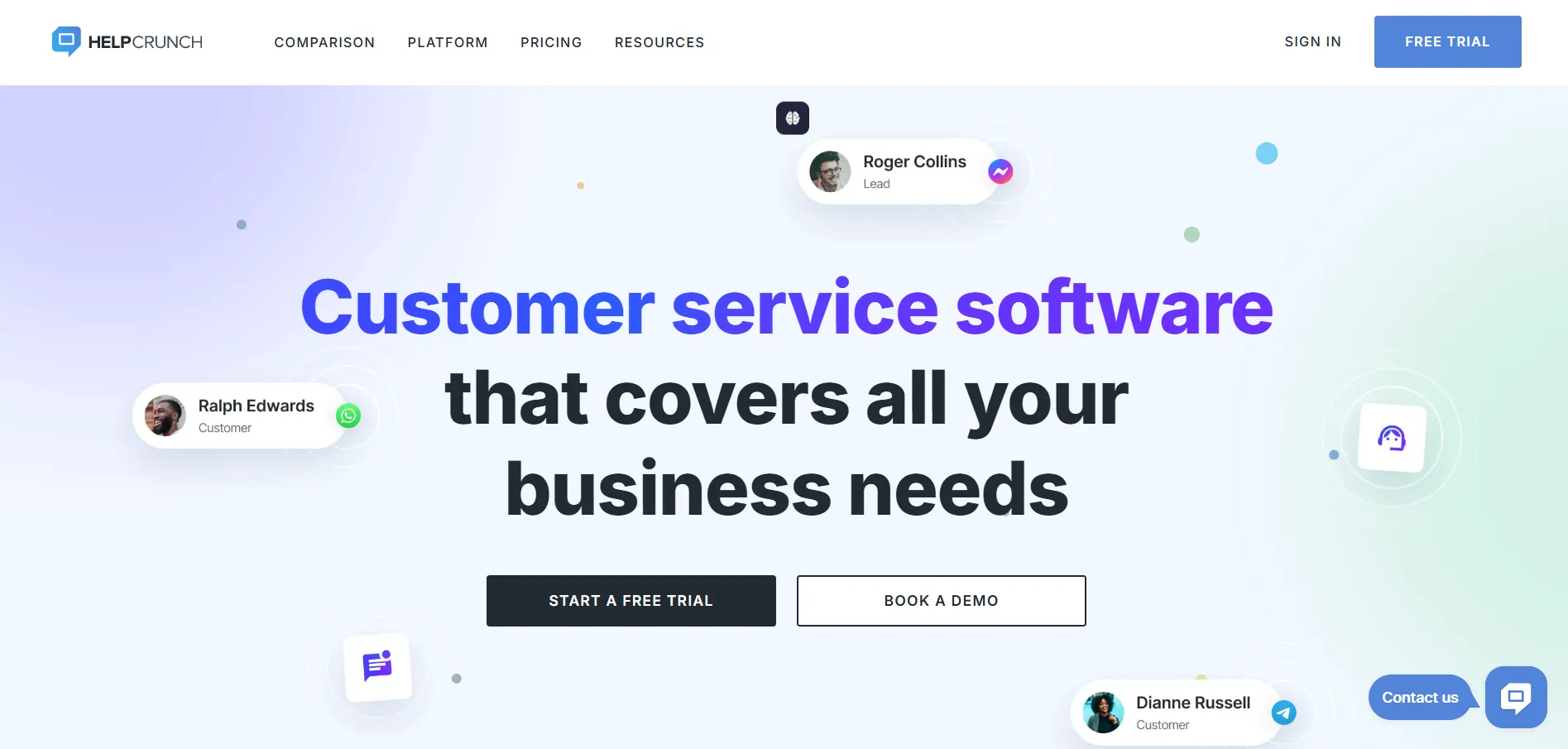
HelpCrunch is a platform designed to combine live chat, email automation, and CRM features in a single tool. It allows teams to manage customer conversations, automate repetitive responses, and integrate support with marketing campaigns.
Compared to Chatfuel, which focuses on Messenger and Instagram chatbots, HelpCrunch extends functionality to email marketing and ticketing, giving teams a broader communication scope beyond social messaging.
Limitations
-
Email automation features may require advanced setup
-
AI chatbot capabilities are limited compared to dedicated bot builders
-
Reporting and analytics are not as deep as some specialized platforms
-
Fewer native integrations with social messaging platforms
-
Mobile app functionality may be basic for larger teams
Pricing Snapshot
-
Subscription-based plans depending on number of agents and features
-
Free trial available to test core features
-
Paid plans unlock advanced automation, integrations, and reporting
-
Scalable pricing for SMBs and mid-sized teams
9. Lime Connect - AI & CRM-Powered Chat
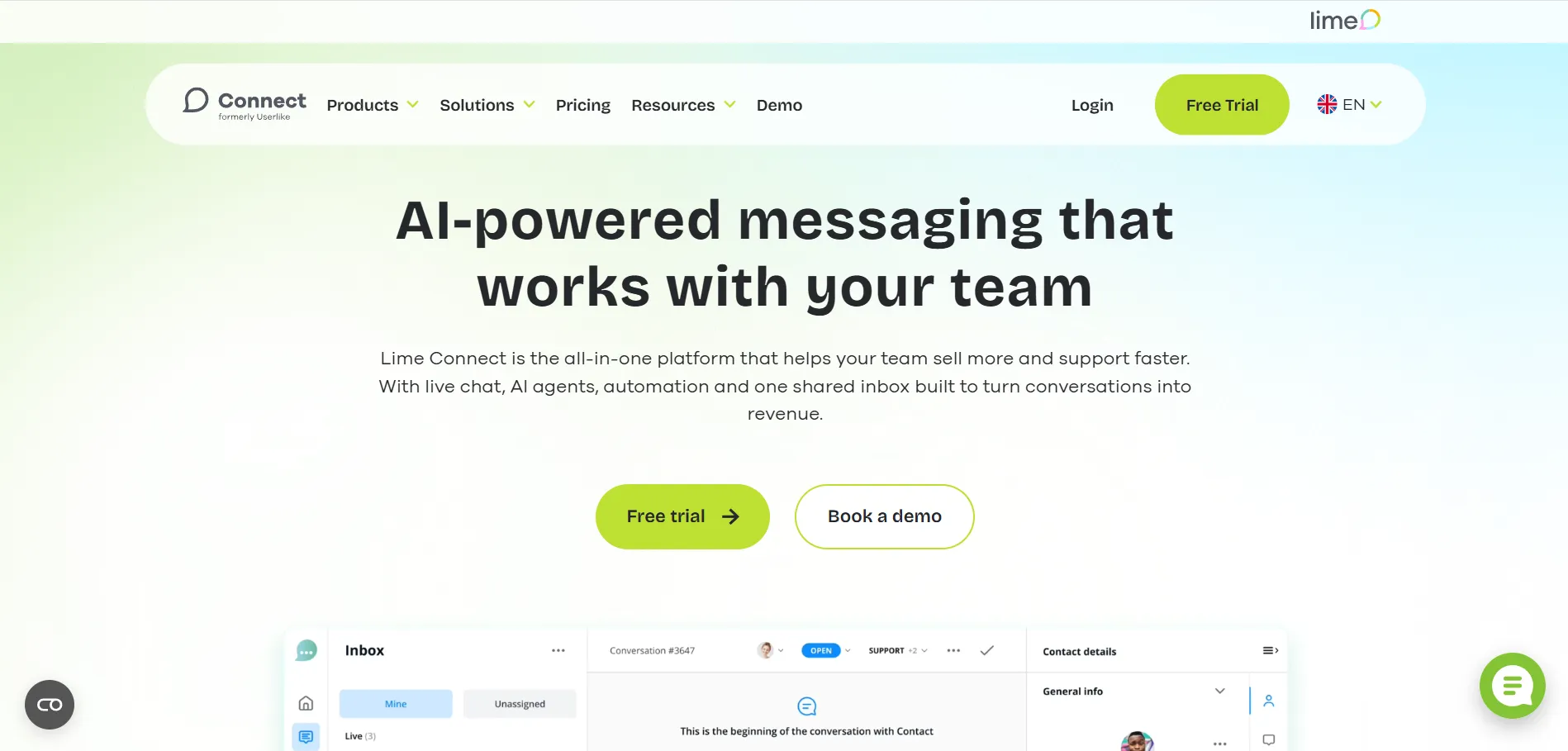
Lime Connect is a platform that combines AI-driven chat, CRM integration, and workflow automation to help teams manage customer interactions more efficiently. It is designed for businesses looking to connect support, sales, and customer data in one place.
Compared to Chatfuel, which primarily targets social messaging like Facebook Messenger and Instagram, Lime Connect focuses on CRM-linked automation and multi-channel customer engagement, offering broader operational control for growing teams.
Limitations
-
Setup may require familiarity with CRM systems
-
AI chatbot features are not as advanced as dedicated bot builders
-
Smaller businesses may find some features more than needed
-
Less focus on social messaging automation
-
Reporting can be complex for new users
Pricing Snapshot
-
Subscription-based, tiered according to users and features
-
Free trial or demo may be available for evaluation
-
Paid plans include full CRM integration, AI automation, and analytics
-
Scalable for growing SMBs and enterprise teams
Chatfuel Competitors Compared Side-by-Side
To help you see the differences at a glance, here’s a comparison of the nine top Chatfuel alternatives based on practical factors that matter to businesses. This table highlights setup, automation, multi-channel support, integrations, analytics, pricing, and support, all relevant when considering Chatfuel replacements.
|
Tool
|
Setup complexity
|
Custom workflow control
|
Native ecommerce integrations
|
AI training control
|
Knowledge base integration
|
Reporting depth
|
Seat-based billing impact
|
|
Chatboq
|
Easy
|
High
|
Moderate
|
High
|
Moderate
|
Moderate
|
Moderate
|
|
Drift
|
Moderate
|
High
|
High
|
High
|
High
|
Moderate
|
Moderate
|
|
ManyChat
|
Easy
|
Moderate
|
Moderate
|
Moderate
|
Moderate
|
Moderate
|
High
|
|
ChatBot
|
Moderate
|
Moderate
|
Moderate
|
Moderate
|
Moderate
|
Moderate
|
Moderate
|
|
Fin by Intercom
|
Moderate
|
High
|
High
|
High
|
High
|
Moderate
|
High
|
|
Tidio
|
Easy
|
Moderate
|
Moderate
|
Moderate
|
Moderate
|
Moderate
|
High
|
|
UChat
|
Moderate
|
High
|
High
|
High
|
Moderate
|
Moderate
|
Moderate
|
|
HelpCrunch
|
Moderate
|
High
|
High
|
High
|
High
|
Moderate
|
High
|
|
Lime Connect
|
Moderate
|
High
|
High
|
High
|
High
|
Moderate
|
Moderate
|


 ChatGPT
 Perplexity
 Claude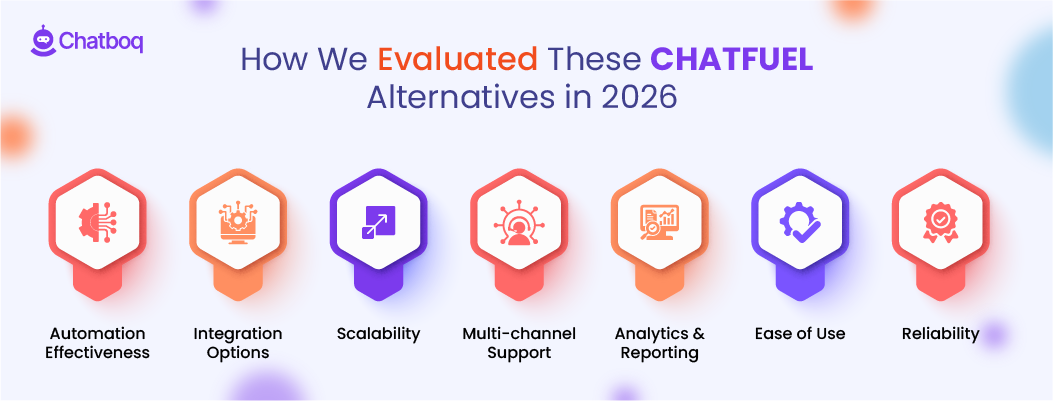




Leave a Comment
Your email address will not be published. Required fields are marked *
By submitting, you agree to receive helpful messages from Chatboq about your request. We do not sell data.