Below, you’ll find detailed reviews of each Help Scout alternative listed above.
Each platform follows the same structure so you can compare AI features, workflow flexibility, reporting dashboards, integrations, and pricing clearly without unnecessary complexity.
1. Chatboq - All-in-One AI Chatbot & Live Chat Platform
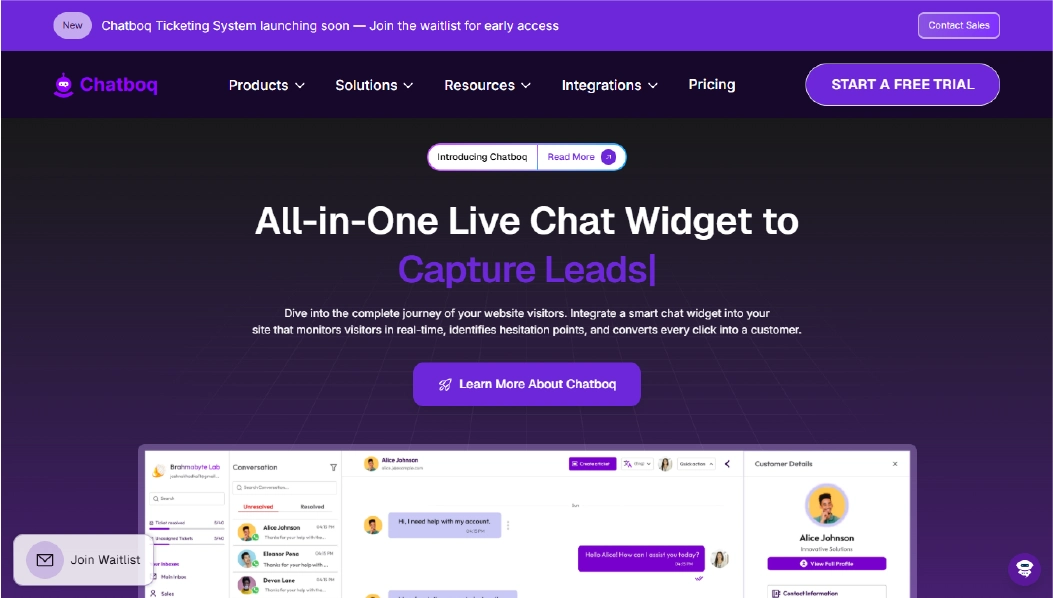
Chatboq is an all-in-one AI chatbot & live chat platform designed to centralize customer conversations, ticket control, and SLA monitoring inside one operational workspace. It keeps chat, tickets, SLAs, and agent actions in one place, so teams do not switch tools to track progress.
Conversations from website chat, email, and connected messaging channels enter the same dashboard. Tickets are created per organization and controlled using custom priorities, statuses, and SLA policies. Each workspace runs independently, which prevents cross-team confusion when multiple teams or clients are managed inside one account.
Chatboq fits teams that need clear ticket stages, time-based control, and visibility across chat, email, and messaging.
Why It’s a Strong Help Scout Alternative
Teams look for Help Scout alternatives when inbox organization is no longer enough.
Help Scout handles shared inbox collaboration and knowledge base publishing well. But SLA enforcement, timeline control, and multi-channel coordination require more structure.
Chatboq defines response and resolution times per organization. It triggers alerts when tickets reach 85% of their SLA window. Priorities can adjust automatically. Tickets move through clear stages with Kanban tracking and linked parent–child relationships.
This shifts control from inbox sorting to structured lifecycle management.
Chatboq Core Strengths
-
AI training using internal FAQs, uploaded documents, past conversations, and knowledge articles
-
AI reply assistant that generates responses based on trained knowledge
-
Real-time live chat with typing preview, message seen status, and voice/file support
-
Email-to-ticket conversion
-
Organization-specific priorities with editable hierarchy and color coding
-
Custom ticket statuses per workspace
-
SLA creation with response and resolution definitions
-
Ticket history logs and soft deletion support
-
Merge and structured parent–child ticket linking
-
Agent assignment with manual and admin control
-
Workspace creation and isolation
-
Role-based permissions with custom team definitions
-
Visitor IP tracking and country detection
-
Trigger campaigns with conditional AND/OR logic
-
Messaging integrations (WhatsApp, Messenger, Instagram, Slack, Telegram, Line, Discord)
-
CRM integrations including Zoho CRM and PipeDrive
-
Plan-based subscription with invoice and card management
Why is Chatboq Better than Help Scout
Chatboq focuses on lifecycle enforcement and timeline control rather than inbox simplicity.
Help Scout provides structured email collaboration and knowledge base management. It supports tagging, assignments, and reporting dashboards. However, it does not include automatic SLA threshold alerts or priority escalation tied directly to time limits.
Chatboq enforces resolution timelines with automatic alerts and priority changes. It also connects chat, ticketing, AI assistance, and messaging channels inside the same workspace instead of relying primarily on email.
For higher ticket volume, this structure reduces manual follow-ups because SLA risk and priority changes are handled inside the workflow.
Limitations
-
Not designed as a full IT service management (ITSM) suite
-
Enterprise app marketplaces may be broader in larger ecosystem platforms
-
AI structured reasoning for complex analytical cases is evolving
Best For
-
Ecommerce customer service teams
-
SaaS companies managing SLAs
-
Support teams handling multi-channel inquiries
-
Agencies managing separate client workspaces
-
Small to mid-sized teams needing structured ticket lifecycle control
Pricing Snapshot
-
Plan-based subscription
-
Workspace-level billing structure
-
Card and invoice support
-
Not strictly agent-based pricing
-
Scales based on organization usage and structure
2. Intercom - Conversational Support with AI-Powered Chat
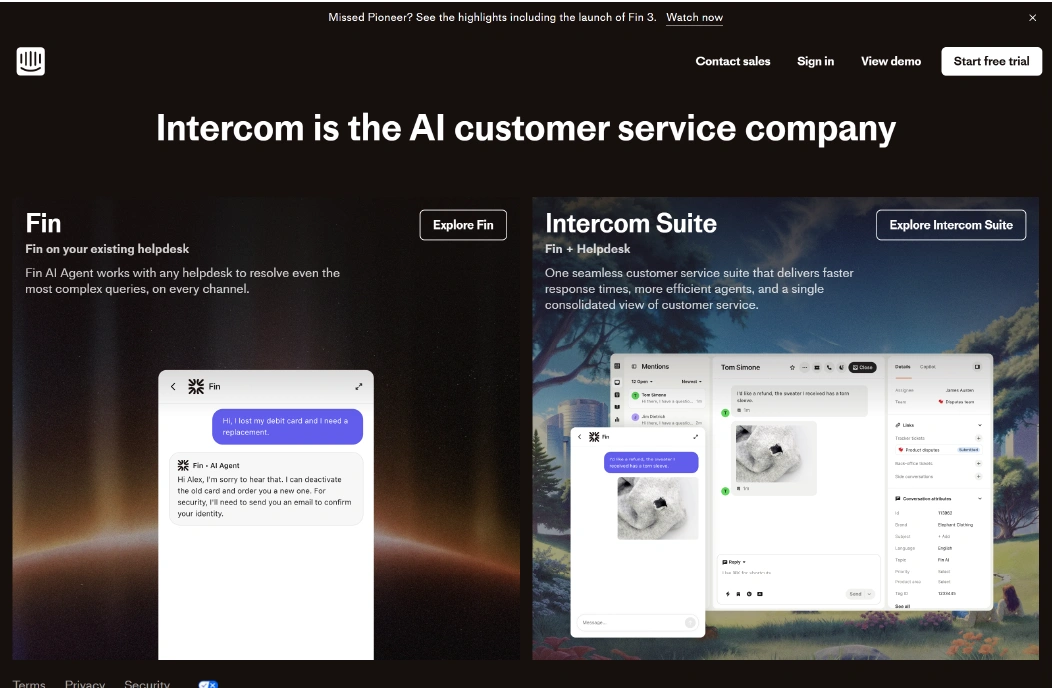
Intercom is a customer support platform built around live chat and AI-powered messaging. It combines chat, ticketing, a knowledge base, and product messaging inside one system. Many SaaS teams use Intercom to manage customer conversations directly inside their app and website.
Intercom focuses on conversational workflows. Instead of relying only on a traditional shared inbox, it centers support around chat experiences, automated replies, and in-product engagement.
Why It’s a Strong Help Scout Alternative
Intercom fits teams that handle most support in chat or inside the product, not in email threads.
Help Scout works well for structured email collaboration. But if your support is chat-heavy or in-app, a conversational system can keep handoffs, routing, and context in one thread.
Intercom uses AI-powered chat to answer common questions, route conversations, and assist agents in real time. It connects support, onboarding, and product messaging inside the same interface. This reduces response time when common questions are handled by automation before an agent steps in.
For teams moving beyond email-first support, Intercom provides stronger live chat control and automation depth.
Intercom Core Strengths
-
AI-powered chatbot for automated replies
-
In-app and website live chat
-
Shared inbox with conversation routing
-
Workflow automation for message routing
-
Reporting dashboards with conversation analytics
-
App marketplace for extended functionality
Why is Intercom Better than Help Scout
Intercom is designed around real-time conversation. It supports proactive messaging, in-app chat, and automated flows that extend beyond email.
Help Scout focuses on shared inbox structure and knowledge base publishing. It supports tagging and assignment, but it does not center workflows around AI-driven chat experiences.
Intercom provides stronger automation inside chat environments. For SaaS teams that prioritize in-product communication and conversational engagement, this model can offer more flexibility.
Limitations
-
Pricing can increase quickly with usage and seat count
-
Advanced AI features may require higher-tier plans
-
Can feel complex for small teams that only need email support
Best For
Pricing Snapshot
-
Per-seat pricing with usage-based components
-
Tiered plans depending on AI and automation depth
-
Add-ons for advanced features
-
Free trial available
Check out the top Intercom alternatives and select one that best suits your business.
3. Freshdesk - AI-Powered Ticketing with Omnichannel Support
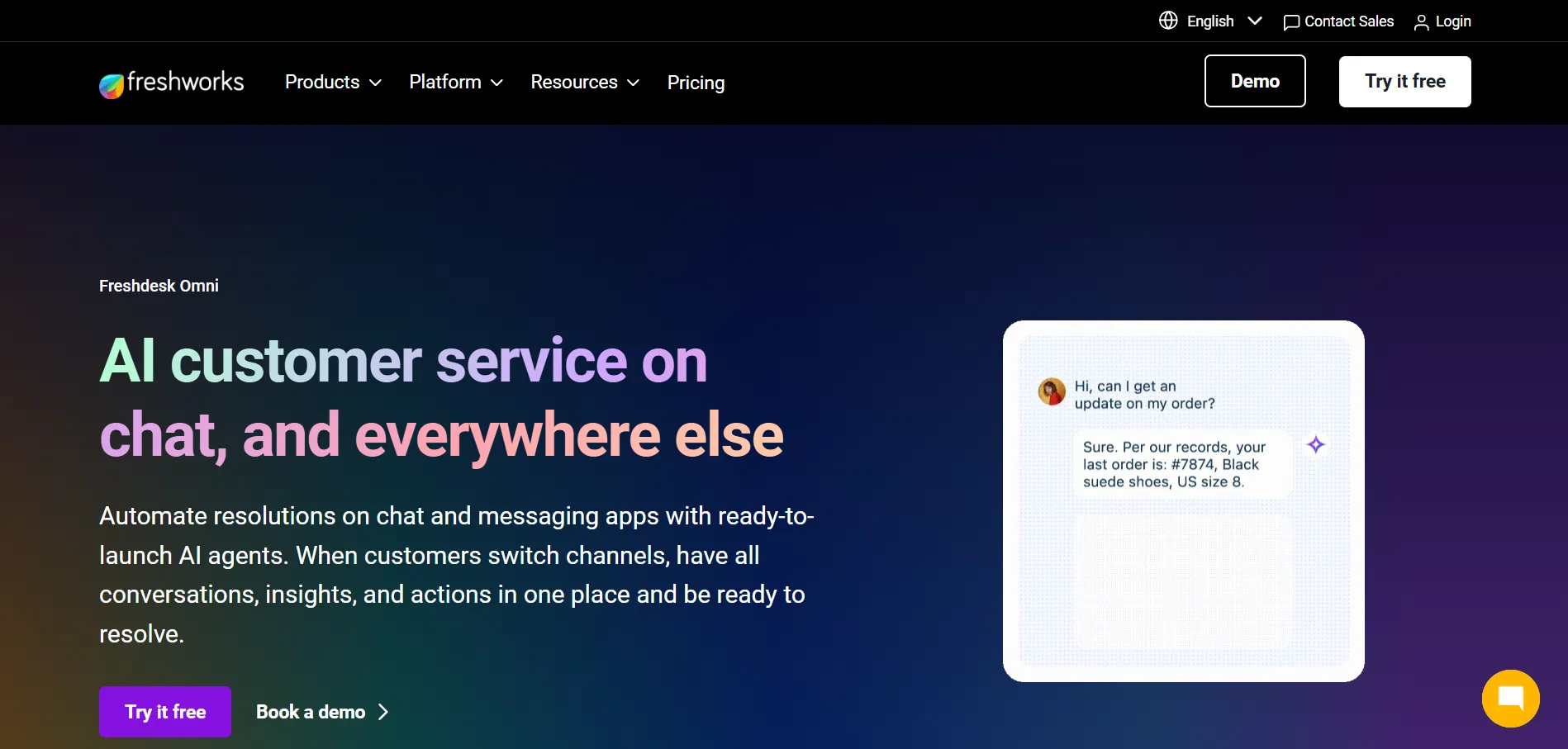
Freshdesk is a customer support platform that combines ticketing, live chat, automation, and reporting inside one system. It is part of the Freshworks suite and is widely used by small businesses and mid-sized teams that need structured support without moving into heavy enterprise software.
Freshdesk focuses on organized ticket management across email, chat, phone, and social channels. It provides a traditional help desk structure with automation rules, SLA management, and performance tracking.
Why It’s a Strong Help Scout Alternative
Freshdesk works best when support expands beyond email and you need one queue across channels.
Help Scout works well for email collaboration and knowledge base management. But if your team manages chat, phone, and social conversations alongside email, a multi-channel help desk can provide clearer routing and tracking.
Freshdesk combines ticketing, live chat, and automation into one system. It supports SLA policies, automated ticket assignment, and structured reporting dashboards. This keeps email, chat, phone, and social requests in one queue so agents do not split work across tools.
For teams adding chat, phone, or social queues while keeping structured tickets, Freshdesk is a practical Help Scout replacement.
Freshdesk Core Strengths
-
Omnichannel ticketing (email, chat, phone, social) with routing and assignment rules
-
SLA management with time-based policies and escalations
-
Automation rules for triage, tags, and workload distribution
-
Reporting dashboards for volume, trends, and agent activity
-
Knowledge base and self-service portal
-
Team collaboration with internal notes
-
Marketplace for integrations
Why is Freshdesk Better than Help Scout
Freshdesk supports broader channel coverage and structured automation inside one system. It is built to handle higher ticket volumes across multiple communication channels.
Help Scout centers on email-first shared inbox collaboration. It keeps workflows simple. However, it does not provide the same level of omnichannel depth or built-in automation flexibility across channels.
Freshdesk offers stronger multi-channel routing and structured SLA tracking. For teams expanding beyond email, this reduces missed handoffs because routing and SLAs stay in one system.
Limitations
-
Interface can feel layered for very small teams
-
Advanced automation features may require higher-tier plans
-
Customization depth increases setup time
Best For
-
Small to mid-sized support teams
-
Businesses handling multi-channel inquiries
-
Ecommerce and service-based companies
-
Teams needing structured SLA management
Pricing Snapshot
-
Per-agent monthly pricing (tiered plans)
-
Free plan available for small teams
-
Advanced automation in higher tiers
-
Scales with team size and channel usage
Read more: Discover the best Freshdesk alternatives and compare features to choose the right helpdesk for your team.
4. Zendesk - Structured Ticketing with Enterprise Omnichannel Depth
Zendesk is a customer support platform built for structured ticketing and enterprise-scale operations. It combines email, live chat, phone support, social messaging, and automation into one unified help desk system. Many mid-sized and enterprise teams use Zendesk to manage large ticket volumes across departments.
Zendesk focuses on control and scalability. It provides detailed workflow configuration, advanced reporting dashboards, and a broad integration ecosystem. It is commonly selected by companies that require multi-layer routing and department-level visibility.
Why It’s a Strong Help Scout Alternative
Zendesk is built for larger support operations where routing rules, roles, and reporting must scale cleanly.
Help Scout is effective for simple collaboration and knowledge base publishing. It works well for small teams managing moderate ticket flow. However, as support expands across channels and departments, stronger routing logic and deeper analytics become necessary.
Zendesk scales for enterprise omnichannel support. It supports structured ticket automation, advanced SLA policies, and segmented reporting. Teams can build layered workflows and manage permissions across larger organizations.
For enterprise support, Zendesk supports deeper routing layers, stricter permission control, and wider channel coverage.
Zendesk Core Strengths
-
Omnichannel support including email, chat, phone, and social
-
Enterprise-level reporting and analytics
-
Knowledge base and customer portal
-
Extensive integration marketplace
-
Role-based permissions and SSO support
Why is Zendesk Better than Help Scout
Zendesk provides deeper workflow customization and broader omnichannel capability.
Help Scout centers on email collaboration with lightweight automation. It is simple to manage but does not offer the same enterprise routing flexibility or analytics depth.
Zendesk supports structured escalation paths, advanced reporting, and multi-team permission control. For higher volume or cross-team queues, this structure reduces routing confusion and improves reporting consistency.
Limitations
-
Pricing increases as agents and features scale
-
Setup can require structured configuration
-
Interface complexity may be high for small teams
Best For
-
Mid-sized and enterprise support teams
-
Organizations with multi-channel workflows
-
Companies requiring advanced SLA tracking
-
Teams needing enterprise-grade analytics
Pricing Snapshot
-
Per-agent monthly pricing (tiered plans)
-
Add-ons for advanced features
-
Enterprise pricing tiers available
-
Scales with agent count and feature depth
Check out the best Zendesk alternatives available on the market today.
5. Front - Collaborative Shared Inbox with Multichannel Routing
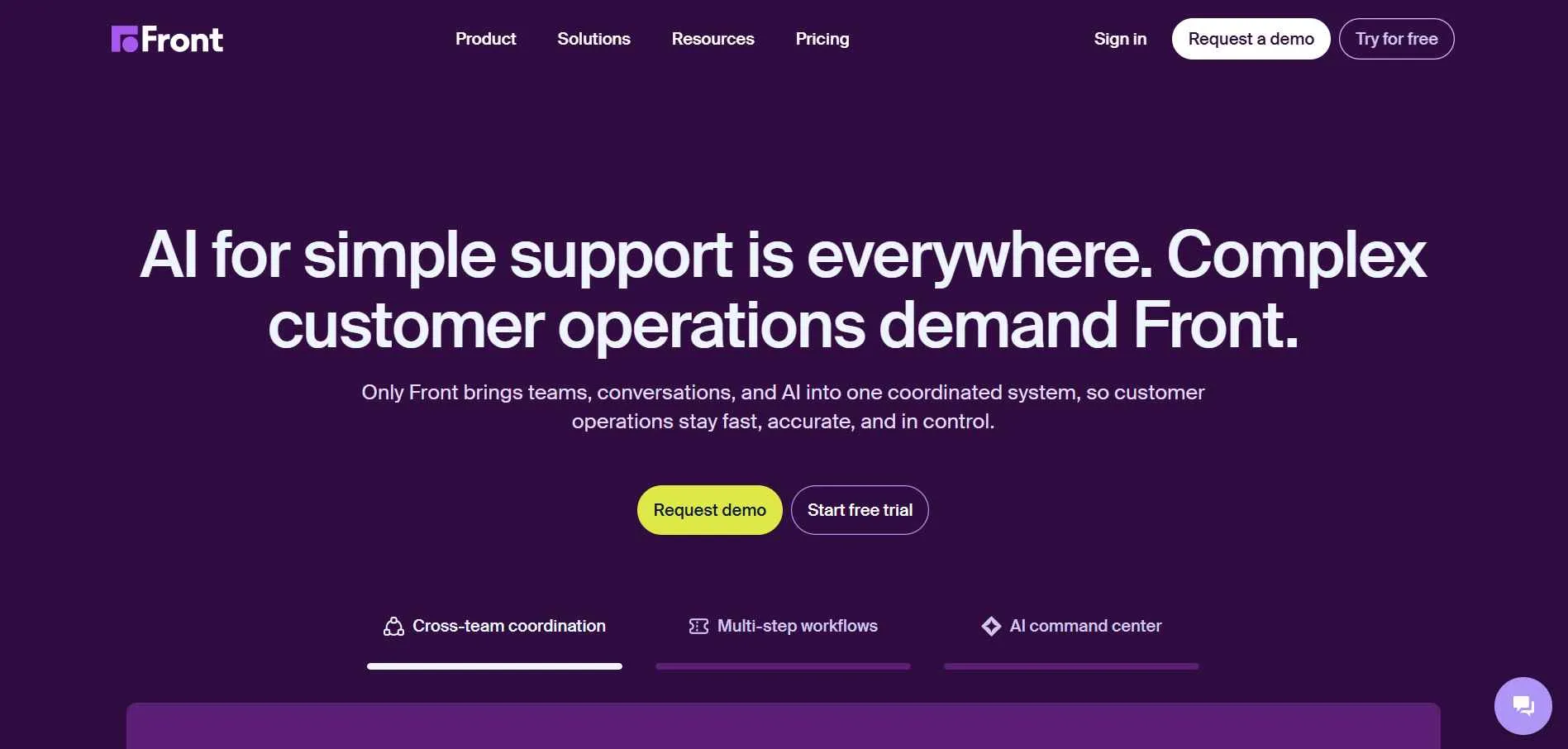
Front is a shared inbox platform built for team collaboration across email, chat, and SMS. It combines shared inbox management with internal comments, assignments, and workflow rules inside one interface. Many SMB and mid-sized teams use Front to manage high-volume conversations without losing visibility.
Front focuses on team collaboration rather than traditional ticketing. Conversations stay inside a shared inbox model, but routing rules, tags, and internal notes help teams coordinate responses across sales, support, and operations.
Why It’s a Strong Help Scout Alternative
Front fits teams that need shared inbox collaboration across sales, support, and ops in the same place.
Help Scout supports structured email workflows and knowledge base publishing. It keeps support simple and organized. However, some teams need deeper internal coordination across multiple departments handling customer conversations.
Front supports shared inbox collaboration at scale. It allows internal discussions on conversations, flexible routing rules, and multi-channel inboxes inside one workspace. This helps teams reduce duplicate replies and improve workload distribution.
For organizations where cross-team communication matters as much as ticket tracking, Front provides a collaboration-first approach.
Front Core Strengths
-
Shared inbox for email, SMS, and messaging
-
Internal comments and assignments for team coordination
-
Routing rules, tags, and shared visibility across teams
-
Analytics dashboards for workload and response handling
-
CRM and third-party integrations
-
Automation rules for workflow management
Why is Front Better than Help Scout
Front emphasizes collaborative inbox management with strong internal visibility.
Help Scout focuses on structured ticket workflows and knowledge base support. It is well-suited for support-centric teams. However, Front makes internal collaboration easier with shared inbox routing and internal comments on each conversation.
For teams blending sales, support, and account work, Front reduces duplicate replies by keeping ownership and internal notes on the same thread.
Limitations
Best For
-
Teams needing shared inbox collaboration
-
SMB and mid-sized companies
-
Cross-functional teams (support + sales)
-
Organizations handling high email volume
Pricing Snapshot
Check out the best Front alternatives available on the market today.
6. Zoho Desk - Structured Help Desk with Built-In CRM Connectivity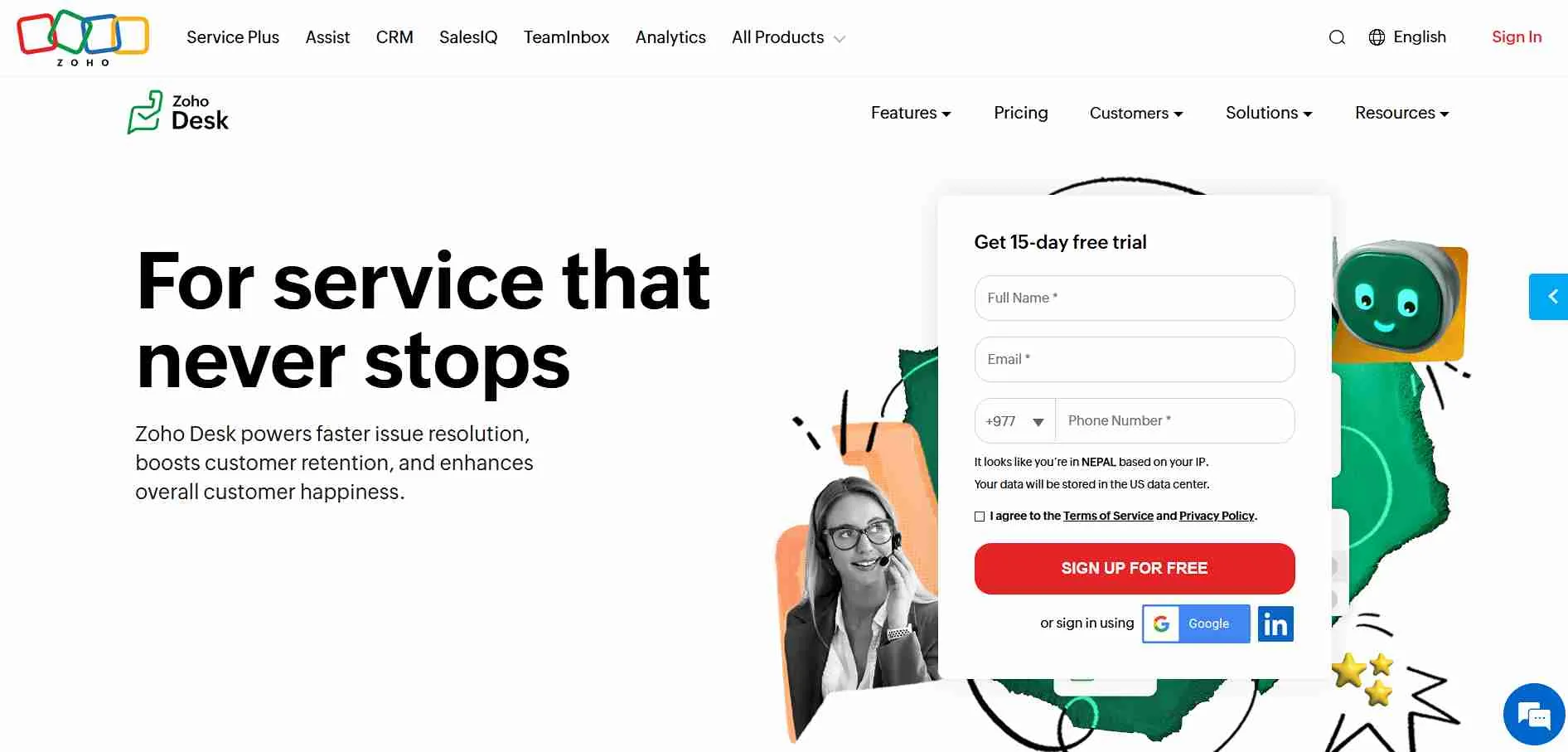
Zoho Desk is a structured help desk platform designed to manage tickets across email, chat, social media, and phone. It supports automation rules, SLA policies, and reporting dashboards inside one customer support system. Many small to mid-sized teams use Zoho Desk when they want tighter workflow control and CRM connectivity.
Zoho Desk integrates directly with Zoho CRM and other Zoho applications. This allows support teams to connect customer data, tickets, and sales context inside the same ecosystem. It is commonly used by SaaS teams, ecommerce brands, and service providers already working within Zoho products.
Why It’s a Strong Help Scout Alternative
Zoho Desk is a fit when you want structured ticketing and you already work inside the Zoho ecosystem.
Help Scout is effective for shared inbox collaboration and knowledge base publishing. It focuses on simplicity. However, teams requiring structured automation, advanced routing, or CRM-level visibility may look for more control.
Zoho Desk provides customizable ticket workflows, defined SLA rules, and detailed reporting dashboards. It supports multi-channel ticket creation and integrates tightly with Zoho CRM. For organizations managing structured support processes across departments, this offers broader control than an email-first inbox.
Zoho Desk Core Strengths
-
Omnichannel ticketing across email, chat, phone, and social
-
Reporting dashboards with performance analytics
-
Integration with Zoho CRM and other Zoho tools
-
Knowledge base and customer self-service portal
-
App marketplace for extended integrations
Why is Zoho Desk Better than Help Scout
Zoho Desk offers more configurable workflow control and CRM-level integration.
Help Scout prioritizes simplicity and shared inbox clarity. It works well for smaller teams managing structured email support. However, it does not provide the same depth of workflow customization or CRM ecosystem connectivity.
Zoho Desk supports multi-layer routing, department segmentation, and structured SLA escalation. For teams already using Zoho CRM or requiring defined cross-department workflows, this structure can provide stronger administrative control.
Limitations
-
Interface can feel layered during setup
-
Workflow customization may require configuration time
-
Pricing tiers increase with advanced features
Best For
-
SMB and mid-sized support teams
-
Companies using Zoho CRM
-
Teams requiring structured SLA enforcement
-
Organizations managing multi-channel support
Pricing Snapshot
-
Per-agent monthly pricing (tiered plans)
-
Free plan available for small teams
-
Advanced features in higher tiers
-
Scales with agent count and workflow complexity
Read more: Discover the best Zoho Desk alternatives and compare features to choose the right helpdesk for your team.
7. Crisp - Live Chat & Messaging Platform for Lean Teams
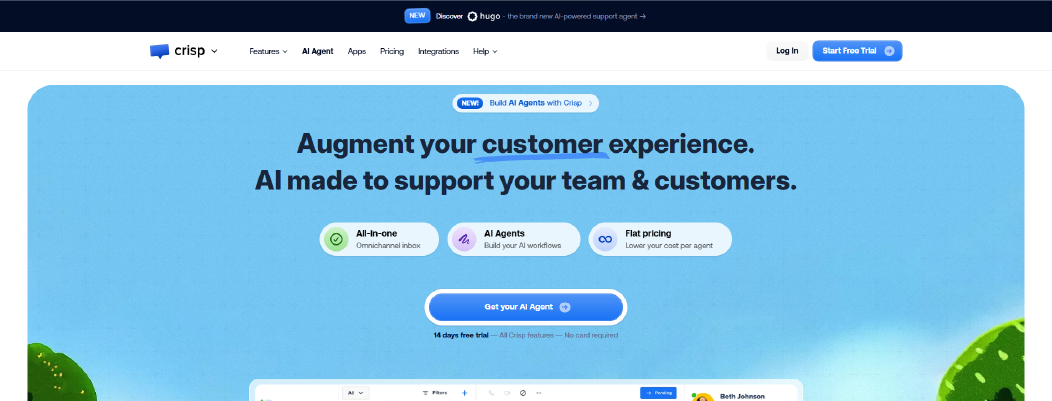
Crisp is a live chat and customer messaging platform designed for small teams that want fast setup and simple communication tools. It combines website chat, email inbox, chatbot automation, and basic CRM features inside one lightweight dashboard.
Crisp focuses on real-time messaging rather than structured ticket lifecycle control. It allows teams to respond to website visitors quickly while keeping conversations organized inside a shared inbox-style interface.
Why It’s a Strong Help Scout Alternative
Crisp fits teams that run support mainly through website chat and messaging instead of ticket queues.
Help Scout works well for email-based support and knowledge base publishing. It is structured around ticketing. However, if your support relies heavily on chat-first engagement or proactive website messaging, a live chat–centric system may fit better.
Crisp supports website chat, chatbot flows, and messaging integrations inside one workspace. It helps teams manage conversations quickly without heavy configuration. For small teams prioritizing chat speed, Crisp is easier to deploy than a full help desk workflow.
Crisp Core Strengths
-
Website live chat with chatbot automation
-
Chat triggers and automated messages
-
Shared inbox for chat and basic email handling
-
Basic CRM features for contact tracking
-
Knowledge base integration
-
Messaging integrations (Messenger, Instagram, WhatsApp, etc.)
Why is Crisp Better than Help Scout
Crisp centers support around real-time messaging. It supports proactive chat engagement and simple automation for website visitors.
Help Scout focuses more on structured ticket workflows and knowledge base management. It is strong for email collaboration but less centered on chat-driven support.
For teams that prioritize live chat engagement over structured ticket lifecycle management, Crisp provides a lighter and more direct approach.
Limitations
-
Less structured SLA management compared to full help desk platforms
-
Reporting depth is more basic
-
Not designed for complex enterprise workflows
Best For
Pricing Snapshot
-
Per-workspace or tiered pricing model
-
Free plan available
-
Advanced automation in higher tiers
-
Scales with features and team size
8. Gorgias - Ecommerce-Focused Helpdesk with Automation
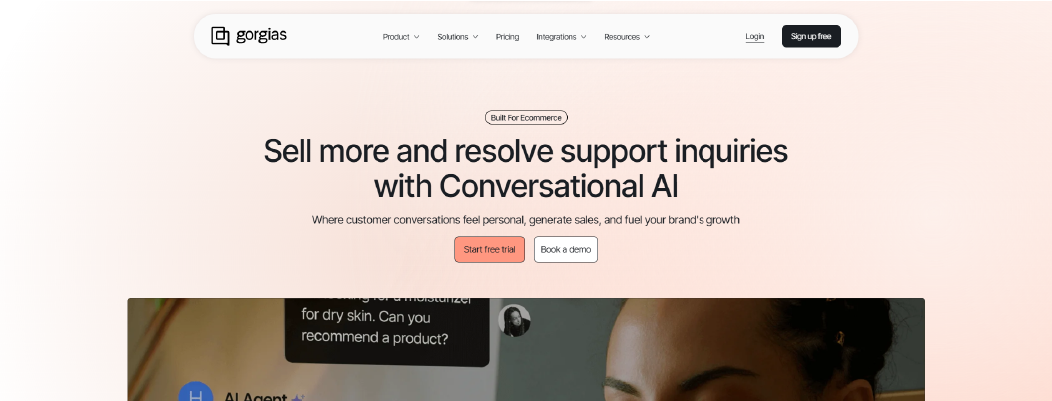
Gorgias is a customer support platform built specifically for ecommerce businesses. It combines email, live chat, social messaging, and order data inside one help desk. Many Shopify and ecommerce brands use Gorgias to manage support conversations tied directly to customer orders.
Gorgias focuses on linking support tickets with ecommerce data. Agents can view order history, refund details, and customer information while replying. This reduces switching between tools and helps teams resolve issues faster.
Why It’s a Strong Help Scout Alternative
Gorgias is designed for ecommerce teams that need order context inside the ticket view.
Help Scout works well for general shared inbox management and knowledge base publishing. However, it does not natively center workflows around ecommerce order data.
Gorgias connects customer conversations with store information. Agents can edit orders, issue refunds, or check shipping details directly from the support dashboard. Automation rules can trigger actions based on order value, tags, or customer behavior.
For ecommerce brands, Gorgias keeps order context inside the ticket view, which reduces tool switching during refunds and shipping checks.
Gorgias Core Strengths
-
Native ecommerce integrations (Shopify, Magento, BigCommerce)
-
Omnichannel ticketing across email, chat, and social
-
Macros and automation tied to order data
-
Views that keep customer and order context near the conversation
-
Reporting dashboards with revenue tracking
-
Team collaboration tools
Why is Gorgias Better than Help Scout
Gorgias is designed for ecommerce-first support.
Help Scout supports general email-based workflows. It is flexible across industries but does not integrate store operations directly into ticket views.
Gorgias connects support to revenue and order management. For ecommerce teams handling refunds, returns, and order changes daily, this reduces operational steps and improves response time.
Limitations
-
Primarily optimized for ecommerce businesses
-
Pricing can scale with ticket volume
-
Less suited for non-ecommerce industries
Best For
-
Shopify and ecommerce brands
-
Direct-to-consumer businesses
-
Online stores handling high order volume
-
Teams needing order-level automation
Pricing Snapshot
-
Per-seat pricing with usage-based elements
-
Plans scale based on ticket volume
-
Advanced automation in higher tiers
-
Free trial available
9. Tidio - Live Chat & AI Chatbot for Small Businesses
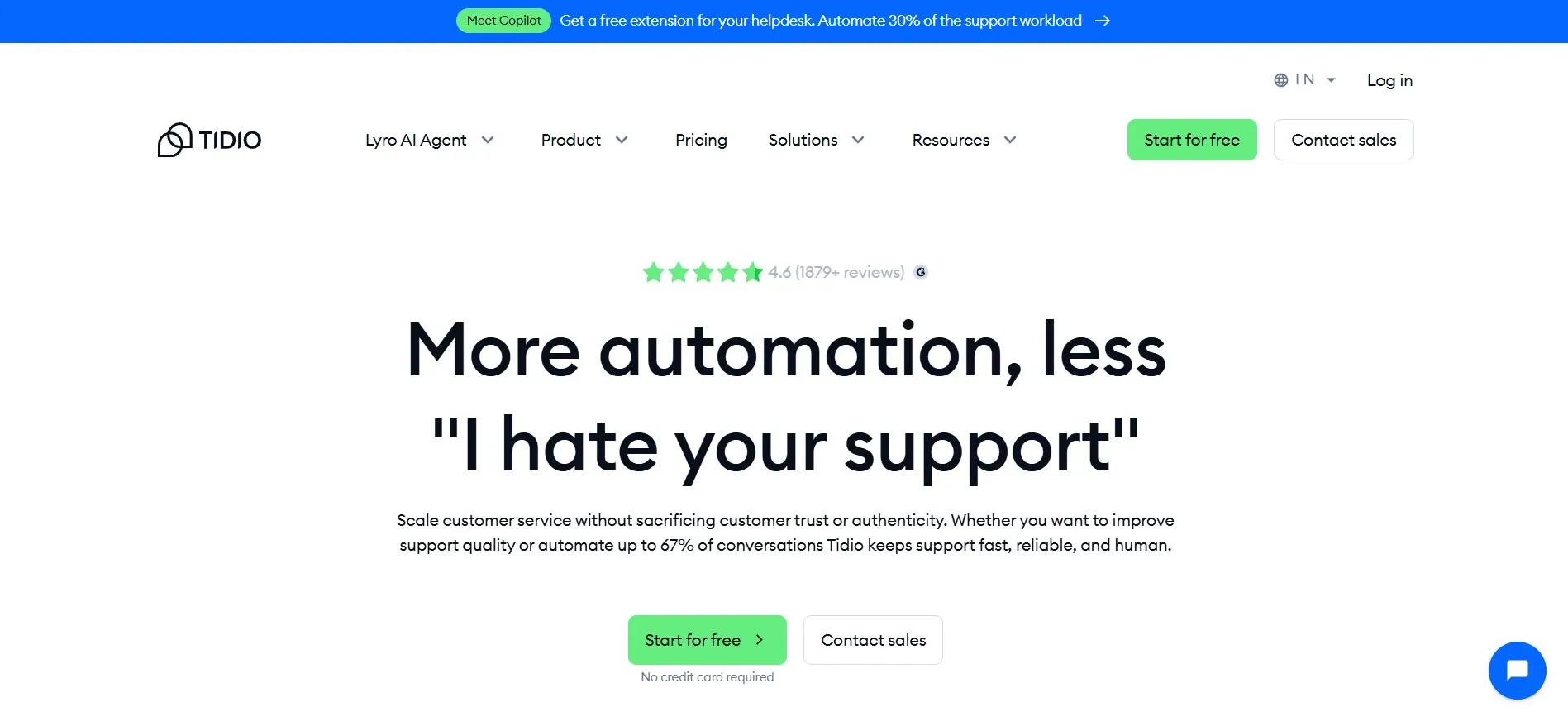
Tidio is a live chat and AI chatbot platform designed for small businesses that want fast customer communication without complex setup. It combines website chat, chatbot automation, and email-style inbox management inside one interface.
Tidio focuses on quick engagement. Teams can install the chat widget, set up automated replies, and begin responding to visitors without building layered workflows. It is commonly used by ecommerce stores, startups, and small service businesses.
Why It’s a Strong Help Scout Alternative
Tidio works for small teams that want quick live chat and chatbot automation without complex setup.
Help Scout works well for structured email-based support and knowledge base publishing. However, if your priority is real-time chat engagement with basic AI automation, a chat-first platform may fit better.
Tidio includes AI chatbot flows that answer common questions, route conversations, and collect visitor details before handing off to an agent. It supports live chat and basic automation without requiring a full help desk setup.
For small teams that mainly need chat automation and quick setup, Tidio is a lightweight Help Scout alternative.
Tidio Core Strengths
-
Website live chat with chatbot automation
-
AI chatbot for common question handling
-
Shared inbox for chat and email
-
Ecommerce integrations
-
Basic reporting dashboards
Why is Tidio Better than Help Scout
Tidio is built around chat engagement and lightweight automation.
Help Scout centers on shared inbox management and knowledge base support. It works well for structured ticketing but is not primarily designed for chatbot-driven engagement.
Tidio provides faster deployment for businesses that want automated chat replies and visitor interaction without building complex workflows.
Limitations
-
Limited advanced SLA management
-
Reporting depth is lighter than full help desks
-
Less suited for complex multi-team support environments
Best For
Pricing Snapshot
-
Per-seat and usage-based pricing
-
Free plan available
-
Tiered plans for automation features
-
Scales with chatbot usage and team size
Check out the best Tidio alternatives available on the market today.
10. HelpCrunch - Customer Communication Platform with Chat & Email
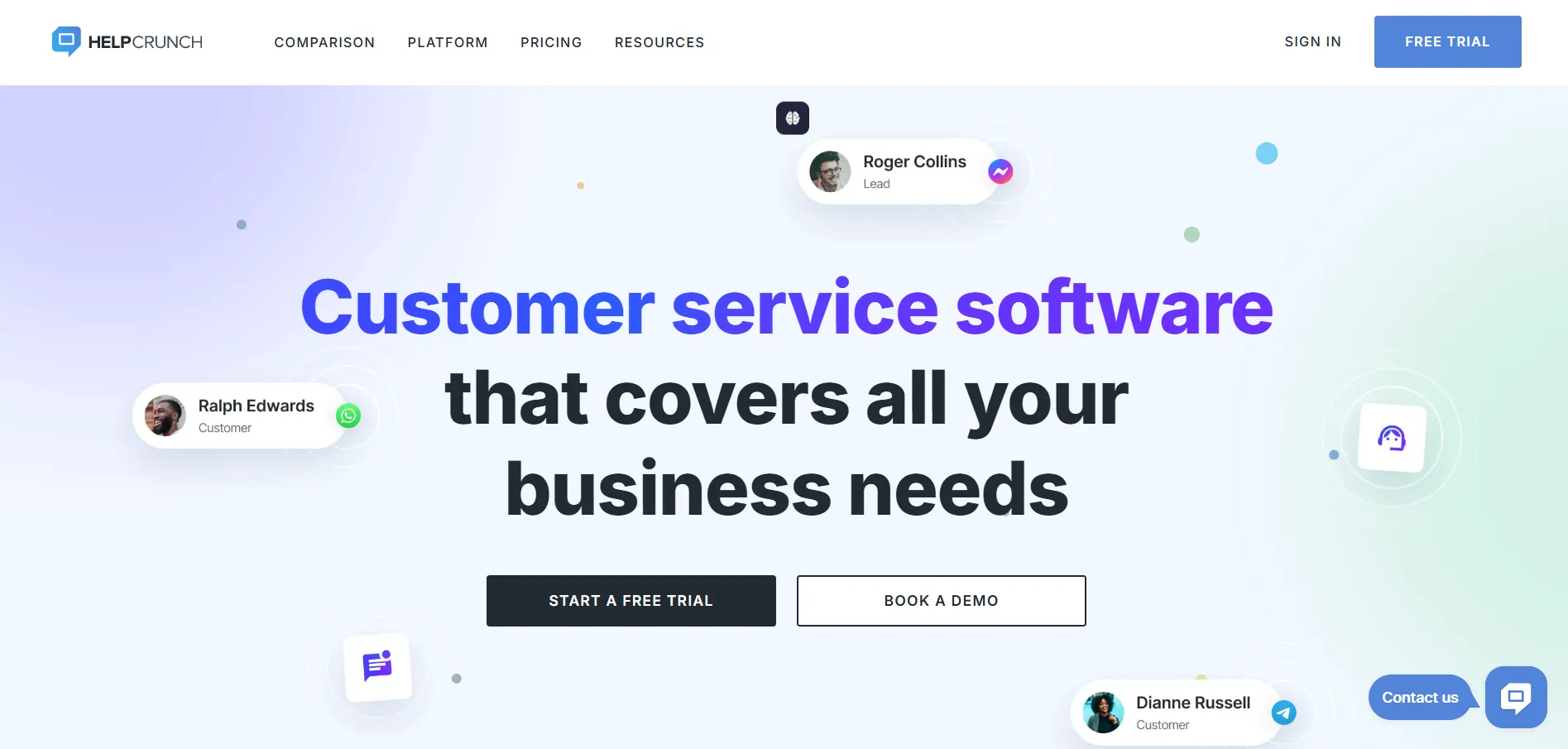
HelpCrunch is a customer communication platform that combines live chat, email marketing, and help desk functionality inside one system. It is often used by SaaS companies and online businesses that want support and outbound messaging in the same tool.
HelpCrunch connects website chat, email replies, and knowledge base content within one shared workspace. It focuses on real-time communication while also supporting basic ticket tracking and automation.
Why It’s a Strong Help Scout Alternative
HelpCrunch fits teams that want support chat plus outbound email messaging in one tool.
Help Scout works well for shared inbox management and knowledge base publishing. However, it does not include built-in email marketing tools or outbound communication features.
HelpCrunch allows teams to manage chat conversations, send automated email campaigns, and track support tickets from one dashboard. For teams running support replies and outbound emails in one tool, this reduces tool switching and keeps messaging consistent.
It can serve as a Help Scout alternative for teams that want both help desk and marketing-style messaging without using multiple tools.
HelpCrunch Core Strengths
-
Website live chat with automation
-
Knowledge base for self-service
-
Basic ticket management and routing
-
Reporting dashboards with conversation analytics
-
Integrations with common business tools
-
Tiered pricing for small to mid-sized teams
Why is HelpCrunch Better than Help Scout
HelpCrunch integrates support and outbound communication inside one system.
Help Scout focuses mainly on structured email-based support and knowledge base publishing. It does not include built-in email campaign tools.
HelpCrunch can reduce tool switching for teams managing both support replies and customer outreach. For businesses blending support and marketing communication, this model may provide more flexibility.
Limitations
-
SLA management depth is lighter than structured help desks
-
Automation control is less granular than enterprise platforms
-
Advanced features require higher-tier plans
Best For
Pricing Snapshot
-
Per-agent monthly pricing
-
Tiered plans based on features
-
Scales with team size and communication volume
-
Free trial available
Help Scout Competitors Compared Side-by-Side
Below is a structured Help Scout competitor comparison to help you evaluate the best Help Scout alternatives quickly.
This table focuses on automation depth, workflow control, reporting visibility, omnichannel capability, and pricing scalability, not surface-level features.
|
Tool
|
Setup Complexity
|
AI Automation Level
|
Workflow Control Depth
|
Reporting Depth
|
Omnichannel Support
|
Ecommerce Integration
|
Seat-Based Billing Impact
|
|
Chatboq
|
Low
|
Built-in AI reply assistant + knowledge training
|
Organization-level priorities, statuses, SLA rules
|
SLA alerts + lifecycle visibility
|
Chat + Email + Messaging apps (plus CRM integrations)
|
Strong (Zoho CRM, PipeDrive)
|
Plan-based (not strictly per-agent)
|
|
Intercom
|
Moderate
|
AI-powered chat + automation
|
Conversation routing + bot workflows
|
Conversation analytics
|
Chat + In-app + Email
|
Moderate
|
Per-seat + usage-based
|
|
Freshdesk
|
Moderate
|
Automation rules + AI add-ons
|
Multi-channel routing + SLA policies
|
Advanced dashboards
|
Email + Chat + Phone + Social
|
Moderate
|
Per-agent tiered
|
|
Zendesk
|
High
|
Advanced automation + AI features
|
Enterprise workflow layers
|
Deep analytics
|
Full omnichannel suite
|
Moderate
|
Per-agent tiered
|
|
Front
|
Low-Moderate
|
Rule-based automation
|
Shared inbox routing
|
Team performance metrics
|
Email + SMS + Messaging
|
Limited
|
Per-seat monthly
|
|
Zoho Desk
|
Moderate
|
AI + rule automation
|
Custom workflows + SLA escalation
|
Structured analytics
|
Email + Chat + Social
|
Strong within Zoho ecosystem
|
Per-agent tiered
|
|
Crisp
|
Low
|
Basic chatbot automation
|
Lightweight workflow
|
Basic analytics
|
Chat + Messaging apps
|
Limited
|
Workspace tiered
|
|
Gorgias
|
Moderate
|
Ecommerce-trigger automation
|
Order-based routing rules
|
Revenue-linked reporting
|
Email + Chat + Social
|
Strong (Shopify-focused)
|
Seat + usage-based
|
|
Tidio
|
Low
|
AI chatbot
|
Basic automation flows
|
Simple dashboards
|
Chat + Email
|
Moderate
|
Seat + usage-based
|
|
HelpCrunch
|
Low-Moderate
|
Chat automation
|
Basic ticket routing
|
Conversation analytics
|
Chat + Email
|
Moderate
|
Per-agent monthly
|

 ChatGPT
 Perplexity
 Claude




Leave a Comment
Your email address will not be published. Required fields are marked *
By submitting, you agree to receive helpful messages from Chatboq about your request. We do not sell data.