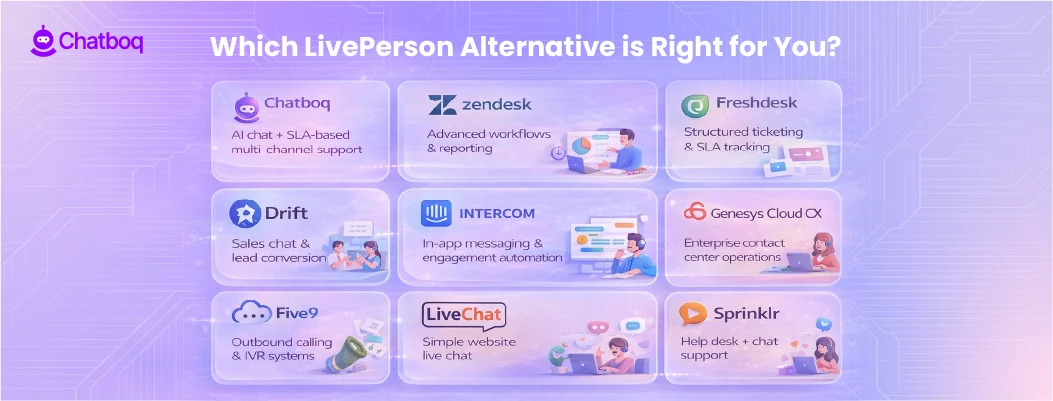
Below are detailed reviews of the top LivePerson alternatives. Each platform follows the same structure so you can clearly compare workflow setup, conversation thread stability, onboarding ease, automation support, multi-channel capabilities, and pricing transparency.
The goal is to help you evaluate each option based on operational fit and long-term scalability. You can assess each LivePerson competitor on how it supports stable, multi-channel customer communication, reduces technical friction, and improves AI-assisted workflows, rather than relying on marketing claims.
Now, let’s take a closer look at each LivePerson alternative in detail.
1. Chatboq - All-in-One AI Chatbot & Live Chat Platform
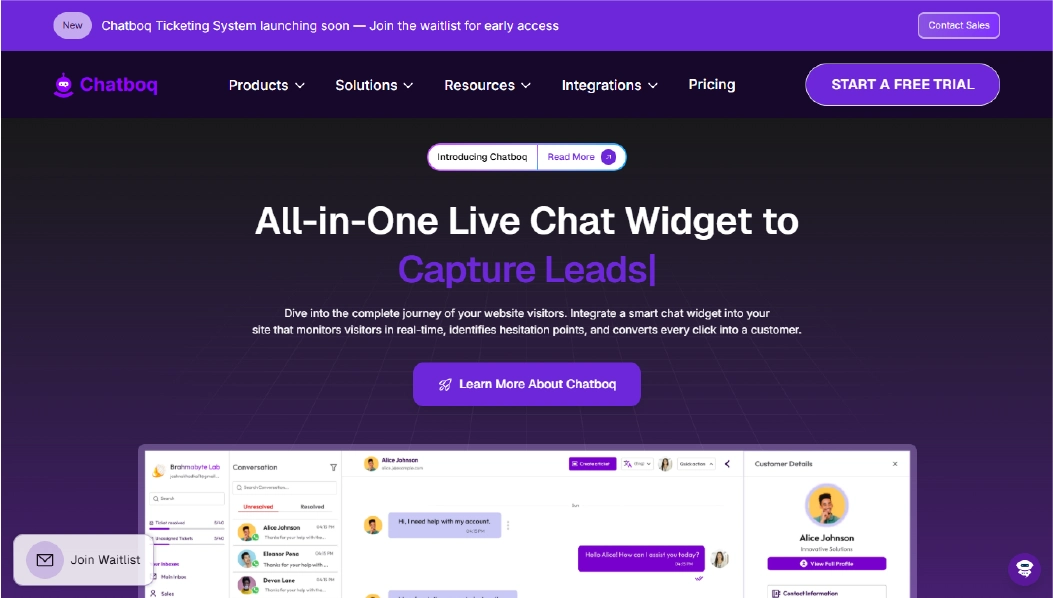
Chatboq centralizes live chat, ticket management, and AI-assisted workflows in a single dashboard. It allows teams to manage all customer interactions, web chat, email, and messaging apps, without toggling between multiple tools.
Each workspace is organized per team or client, keeping tickets, SLAs, and priorities separated for clarity. Agents can track conversation progress, assign tickets, and manage response times efficiently. Chatboq works well for teams needing clear ticket stages, SLA enforcement, and consistent tracking across channels.
Why It’s a Strong LivePerson Alternative
Businesses look for LivePerson alternatives when managing multi-channel conversations and maintaining stable ticket threads becomes critical, but workflow setup is cumbersome. LivePerson offers chat and messaging effectively, but teams may need additional configuration for structured ticket workflows and stage management.
Chatboq streamlines operations by enforcing SLAs per workspace, dynamically prioritizing tickets, reducing cart abandonment for retail users and guiding tickets through defined Kanban stages. Parent-child linking connects related tickets, preventing duplicate work and lost conversations. This approach ensures teams stay focused on responding to customers while maintaining clear visibility across channels.
Chatboq Core Strengths
-
AI-powered suggestions from FAQs, chat history, and uploaded knowledge base articles.
-
Live chat with message status indicators, typing previews, and multimedia support.
-
Emails converted automatically into tickets for centralized tracking.
-
Organization-level ticket priorities with visual indicators.
-
Custom ticket statuses per team or workspace.
-
SLA rules with set response and resolution timelines.
-
Ticket logs with version history and soft-delete capability.
-
Parent-child linking for related or follow-up tickets.
-
Manual and admin-controlled ticket assignments.
-
Workspace isolation to manage different clients or departments.
-
Role-based access with team-specific permissions.
-
Visitor info including location and IP tracking.
-
Messaging integrations: WhatsApp, Messenger, Instagram, Slack, Telegram, Line, Discord.
-
CRM integrations: Zoho CRM, PipeDrive.
-
Plan-based subscription with invoicing and payment card support.
Why Is Chatboq Better Than LivePerson
Chatboq focuses on structured ticket flows and SLA tracking, giving teams clear visibility into response timelines and conversation history. LivePerson provides chat visibility but may require technical setup for workflow rules and multi-channel consistency.
By automating ticket prioritization, SLA alerts, and stage transitions in the same workspace, Chatboq helps teams handle more conversations efficiently, improve response times, and keep customer interactions organized without relying on engineering support.
Limitations
-
Not designed as a complete IT service management solution.
-
AI assistance chat is primarily for standard FAQs and routine queries.
-
Self-hosted deployment is not available.
Best For
Pricing Snapshot
-
Plan-based subscription.
-
Workspace-level billing with usage-based scaling.
-
Supports invoices and card payments.
-
Not limited to per-agent pricing.
-
Scales with organization size and workflow complexity.
2. Zendesk - Enterprise-Grade Customer Service Platform
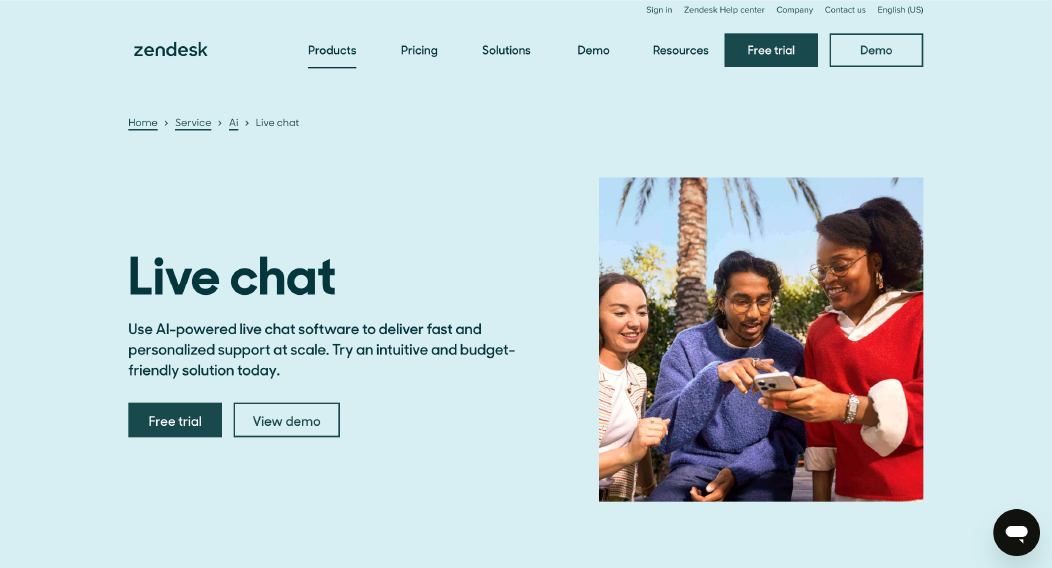
Zendesk is a cloud-based customer service platform that helps teams manage support tickets, live chat, email, and messaging apps in a single system. It provides a unified interface for tracking conversations, automating workflows, and monitoring agent performance across multiple channels.
With built-in reporting, SLA tracking, and role-based permissions, Zendesk allows support teams to maintain consistent service levels while scaling operations. Its integration ecosystem connects with CRM systems, e-commerce platforms, and marketing tools, making it a flexible choice for organizations that handle complex customer support workflows.
Why It’s a Strong LivePerson Alternative
Businesses consider LivePerson alternatives like Zendesk when they need more structured workflow control and multi-channel conversation management. LivePerson handles AI-powered chat effectively but may require additional setup to manage tickets, enforce SLAs, or integrate with third-party platforms.
Zendesk reduces operational friction by centralizing tickets, chats, and emails, while enabling automated workflow rules, priority assignments, and SLA monitoring. Teams can assign tasks, monitor resolution times, and track customer interactions consistently across channels. These capabilities make it easier for organizations to maintain quality support without losing visibility as the team scales.
Zendesk Core Strengths
-
Centralized ticketing across email, chat, calls, and messaging apps
-
AI-assisted responses and workflow automation
-
SLA tracking with response and resolution timelines
-
Customizable ticket statuses and priorities
-
Role-based permissions and agent management
Why Is Zendesk Better Than LivePerson
Zendesk focuses on ticket and workflow management at scale, allowing teams to handle complex support scenarios across multiple channels. Unlike LivePerson, which centers on chat and messaging visibility, Zendesk provides structured SLA enforcement, automated ticket routing, and detailed analytics out-of-the-box.
Teams can maintain stable conversation threads, assign priorities automatically, and track performance metrics without additional engineering support. This ensures consistent service quality and reduces manual follow-ups, even in high-volume or enterprise environments.
Limitations
-
Advanced automation may require planning and training
-
Some features may feel complex for small teams
-
Pricing can scale quickly for enterprise deployments
Best For
-
Enterprise support teams managing multiple brands or regions
-
SaaS companies with complex workflow requirements
-
Organizations requiring detailed SLA monitoring and reporting
-
Customer service teams using multiple channels including email, chat, and voice
-
Mid-to-large teams that need insights generations with centralized ticket management
Read more: Discover the best Zendesk Alternatives and compare features to choose the right helpdesk for your team.
3. Intercom - AI-First Messaging Platform
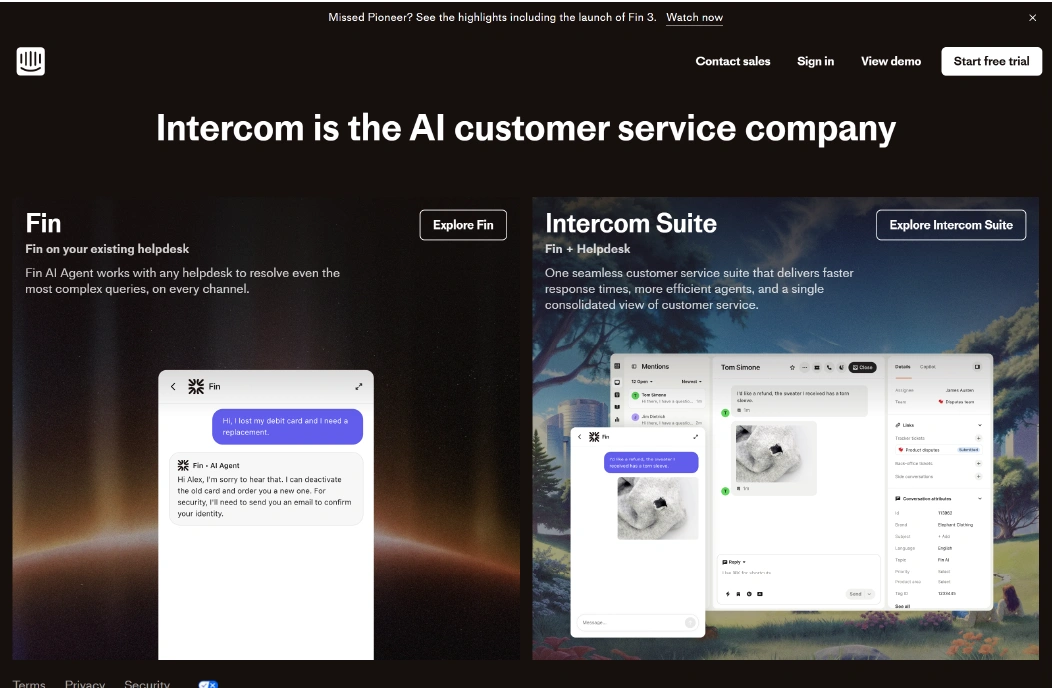
Intercom is a messaging-first customer engagement platform that combines live chat, in-app messaging, and automated responses in a single workspace. Teams can manage customer conversations, lead qualification, and basic workflow automation without juggling multiple tools.
The platform supports targeted messaging, user segmentation, and AI-assisted chat replies, helping teams deliver timely support and engagement to visitors, customers, and app users. Intercom integrates with common CRMs and messaging apps, enabling mid-sized teams to maintain consistent customer experiences.
Why It’s a Strong LivePerson Alternative
Businesses explore LivePerson alternatives like Intercom when they want AI-assisted messaging and multi-channel conversation management in one platform. While LivePerson focuses heavily on AI chat, Intercom adds visual message targeting, proactive notifications, and basic workflow automation.
Intercom reduces operational friction by organizing conversations with user tags, routing messages based on simple rules, and sending automated follow-ups. Teams can engage visitors efficiently, track ongoing conversations, and maintain message history without complex setup.
Intercom Core Strengths
-
AI-assisted chat replies and message suggestions
-
Multi-channel messaging: web chat, in-app messaging, email
-
Targeted messaging and user segmentation
-
Basic workflow automation and message routing
-
Conversation history tracking for continuity
Why Is Intercom Better Than LivePerson
Intercom focuses on messaging engagement and streamlined automation, helping SMBs and product teams respond quickly and segment users efficiently. Unlike LivePerson, which primarily focuses on chat interactions, Intercom combines messaging, automation, and simple targeting rules in one workspace.
Teams can maintain conversation threads and engage users proactively, though complex SLA management or advanced multi-channel workflows may require additional tools. Intercom is suitable for teams looking for AI-assisted messaging without heavy technical setup.
Limitations
-
Advanced SLA enforcement is limited
-
Automation workflows are simpler compared to platforms like Chatboq
-
Reporting and analytics can be basic for large enterprise teams
Best For
-
Product and SaaS teams managing user engagement
-
SMBs needing AI-assisted messaging without complex setup
-
Marketing teams sending targeted in-app messages
-
Support teams handling moderate conversation volumes
-
Teams wanting simple segmentation and routing rules
Pricing Snapshot
-
Tiered subscription plans based on active users
-
Add-on features for advanced automation or messaging volumes
-
Scales with team size and active customer base
-
Usage-based pricing for messaging interactions
- Mid-sized teams can manage most support operations without technical overhead
Read more: Check out the best Intercom Alternatives available on the market today.
4. LiveChat - Simple Live Chat for SMBs
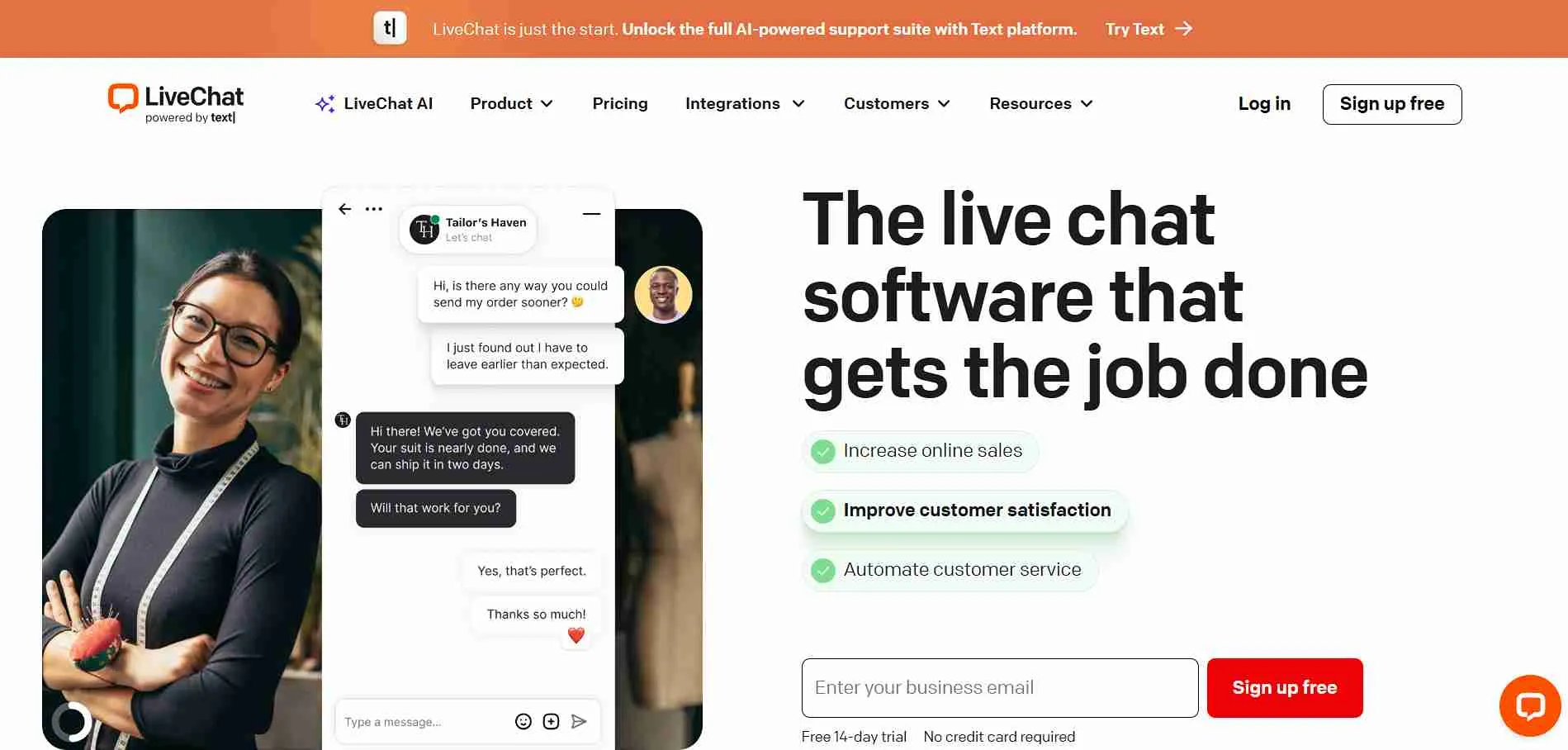
LiveChat is a straightforward live chat platform designed for small to mid-sized support teams. It allows businesses to interact with website visitors in real time, manage conversations, and capture leads without complex setup. The platform integrates with popular CRMs, email tools, and messaging apps, giving teams basic multi-channel visibility.
LiveChat provides a clean dashboard for monitoring ongoing conversations, tracking visitor activity, and assigning chats to available agents. It also offers canned responses, chat tags, and conversation history, helping teams maintain consistency across customer interactions.
Why It’s a Strong LivePerson Alternative
Teams look for LivePerson alternatives like LiveChat when they need simple, reliable chat without heavy technical overhead. While LivePerson focuses on AI-powered messaging, LiveChat emphasizes ease of use and fast onboarding.
The platform reduces friction by providing quick access to visitor activity, agent assignment, and basic workflow rules. Teams can respond promptly, maintain chat continuity, and track basic metrics to improve customer engagement.
LiveChat Core Strengths
-
Real-time live chat with visitor monitoring
-
Canned responses and chat tags for faster replies
-
Basic workflow automation for routing chats
-
Conversation history tracking across sessions
-
Integration with CRM and messaging apps
Why Is LiveChat Better Than LivePerson
LiveChat suits SMBs and small support teams seeking reliable live chat with minimal configuration and fast deployment. Unlike LivePerson, which offers AI-driven features for enterprise-scale operations, LiveChat focuses on simplicity, fast onboarding, and keeping daily chat interactions manageable.
It ensures teams can maintain conversation threads and handle multiple visitors efficiently without complex configuration or advanced technical knowledge.
Limitations
-
AI-assisted automation is minimal
-
Multi-channel support beyond web chat is limited
-
Advanced SLA management and reporting are basic
Best For
-
SMB support teams managing website chats
-
Small e-commerce businesses capturing leads
-
Startups needing quick setup without complex workflows
-
Teams focusing on immediate visitor interaction
-
Organizations prioritizing simplicity over enterprise-scale automation
Pricing Snapshot
-
Tiered subscription plans based on agent seats
-
Free trial available to test core chat features
-
Scales with number of active agents
-
Add-ons for integrations and advanced reporting
-
Affordable entry-level plans for small teams
Read more: Check the top LiveChat Alternatives and choose the best ecommerce helpdesk solution for Shopify support.
5. Genesys Cloud CX - Omnichannel Enterprise CX
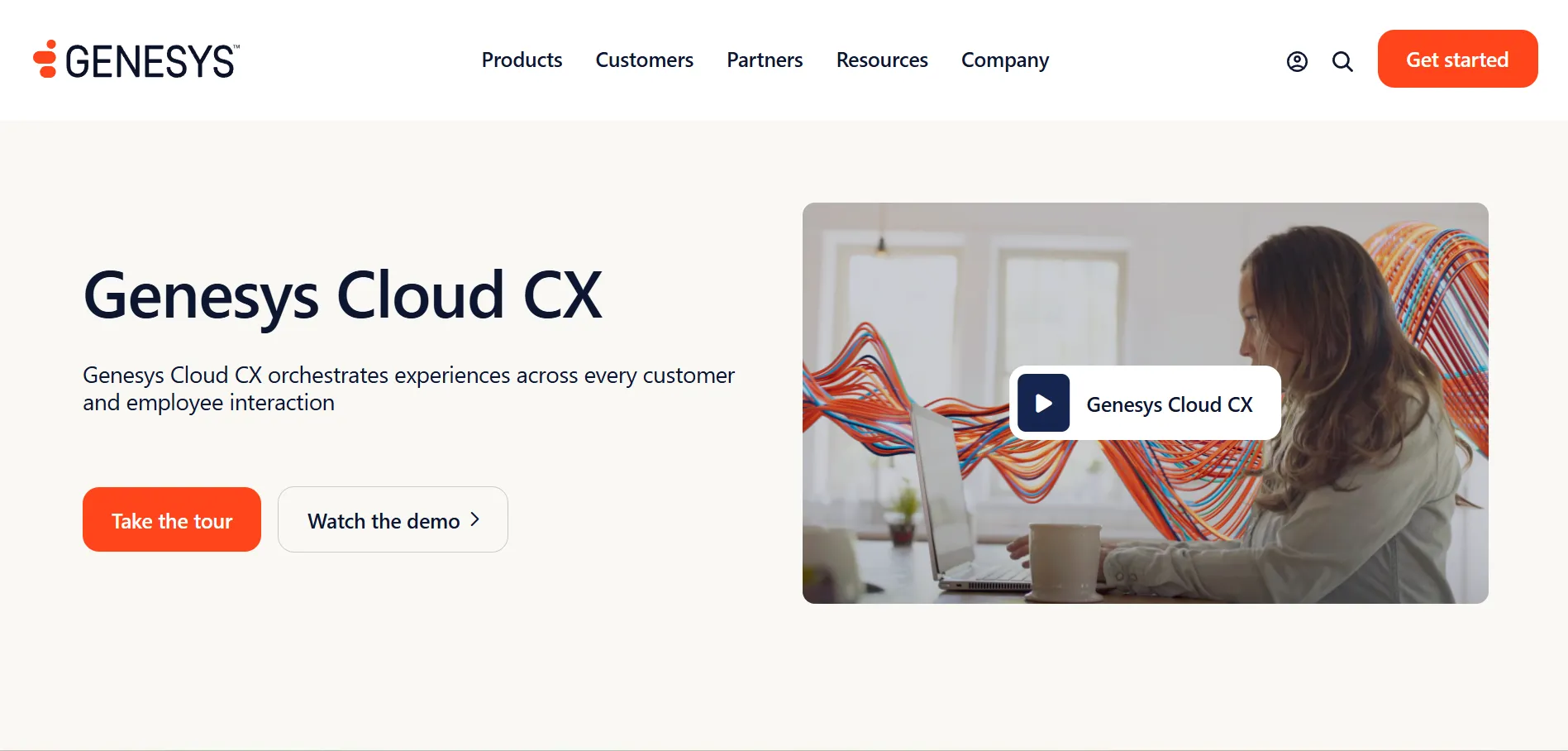
Genesys Cloud CX is a comprehensive customer experience platform designed for enterprise teams. It provides voice, chat, email, messaging, and social support in a unified workspace. Teams can manage large-scale contact center operations, monitor SLAs, and automate routing across multiple channels.
The platform includes AI-assisted routing, analytics dashboards, and workforce management tools. This makes it suitable for enterprises needing deep insights into customer interactions, team performance, and service-level compliance.
Why It’s a Strong LivePerson Alternative
Businesses explore LivePerson alternatives like Genesys Cloud CX when they require robust multi-channel support and enterprise-grade workflow automation. While LivePerson emphasizes AI-powered chat, Genesys focuses on scalability, centralized control, and real-time monitoring of large contact centers.
It reduces operational friction by offering conditional routing, queue prioritization, and AI-assisted suggestions for agents. Teams can manage multiple communication channels from a single console while tracking key metrics to maintain service standards.
Genesys Cloud CX Core Strengths
-
Omnichannel support: voice, chat, email, messaging apps
-
AI-assisted routing and agent suggestions
-
Queue and SLA management for large teams
-
Real-time dashboards and reporting
-
Workforce management tools for scheduling and performance
Why Is Genesys Cloud CX Better Than LivePerson
Genesys Cloud CX is ideal for large enterprises managing complex multi-channel customer interactions at scale. Unlike LivePerson, which focuses on AI chat, Genesys emphasizes centralized workflow management, multi-channel routing, and SLA compliance.
Teams can maintain consistent conversation threads across channels and monitor operational metrics in real time. However, setup is more complex, and smaller teams may find the platform heavier than needed.
Limitations
-
Setup and configuration can be complex for small teams
-
Advanced AI insights may require additional configuration
-
Less flexible for SMBs or startups compared to simpler tools
Best For
-
Enterprise contact centers managing multiple channels
-
Large teams needing SLA enforcement and monitoring
-
Organizations requiring centralized analytics and reporting
-
Customer support operations with structured workflows
-
Businesses needing AI-assisted routing across large agent pools
Pricing Snapshot
-
Enterprise subscription plans based on seats and usage
-
Scales for large contact centers with flexible add-ons
-
Custom pricing for advanced features or integrations
-
Typically requires a contract or multi-year commitment
- Pricing reflects enterprise-grade capabilities
Read More: Get the best alternatives of Genesys available in the market.
6. Sprinklr - Unified Customer Experience & Social Engagement
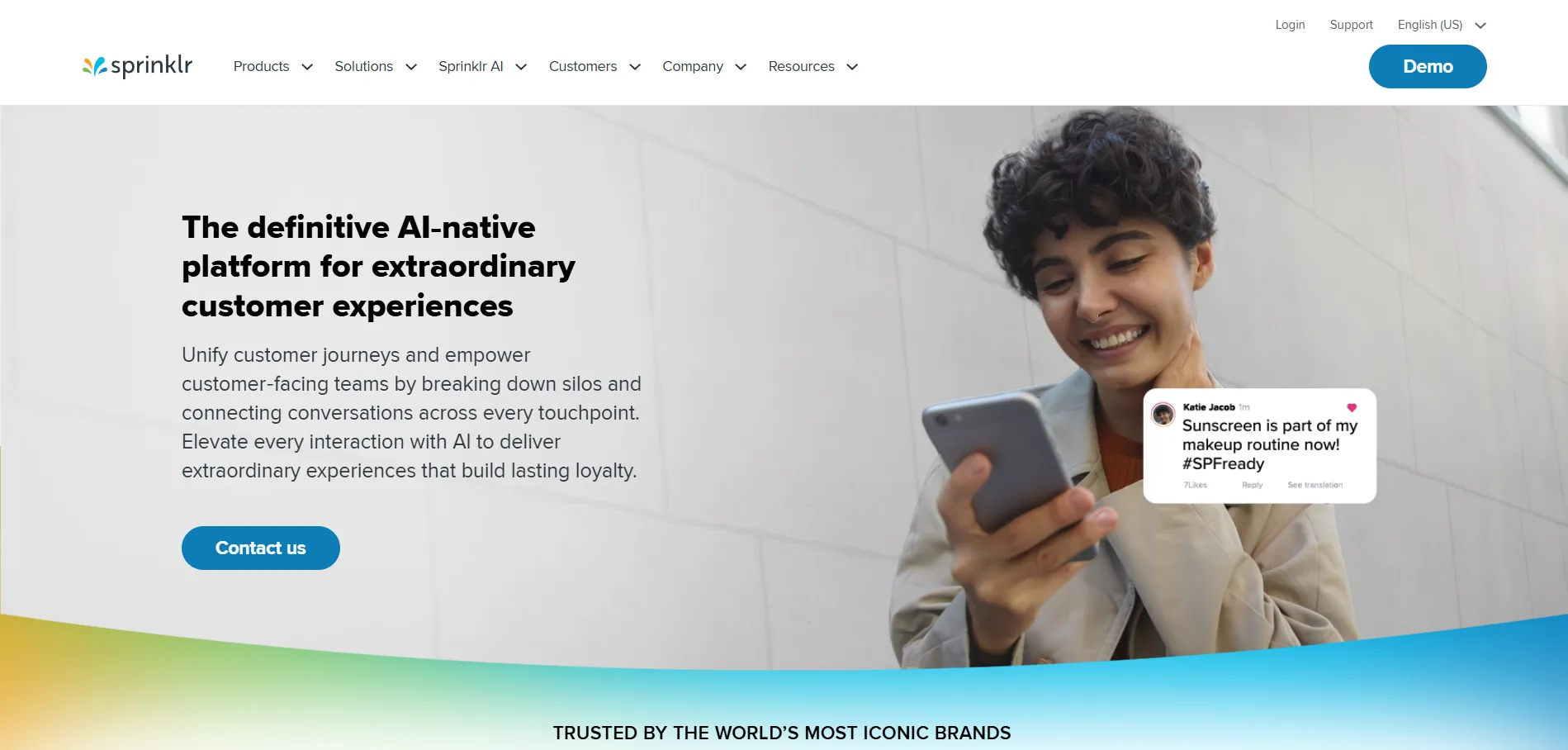
Sprinklr is a platform designed for enterprises looking to manage customer engagement across social media, messaging apps, and web channels. It helps reduce friction by scaling local operations through social listening, marketing, and customer care into a single workspace. Teams can track campaigns, respond to customer inquiries, and monitor brand sentiment in real time.
The platform provides dashboards for tracking engagement metrics, routing messages to the right team members, and automating responses to frequently asked questions. Sprinklr is particularly useful for organizations managing large social communities or running campaigns across multiple regions.
Why It’s a Strong LivePerson Alternative
Businesses consider LivePerson alternatives like Sprinklr when social media engagement and multi-channel visibility are priorities. While LivePerson focuses on AI-powered chat and messaging, Sprinklr emphasizes broad social engagement and unified reporting.
It helps reduce operational friction by centralizing incoming messages, assigning them to the appropriate teams, and automating routine responses. This ensures that customer inquiries are handled efficiently while teams maintain oversight of engagement performance across channels.
Sprinklr Core Strengths
-
Multi-channel support across social media, messaging, and web chat
-
Automated responses for frequently asked questions
-
Message routing to appropriate team members
-
Engagement analytics and reporting dashboards
-
Campaign and workflow management for large teams
Why Is Sprinklr Better Than LivePerson
Sprinklr is suitable for large enterprises managing social engagement at scale. Unlike LivePerson, which is more focused on AI chat, Sprinklr provides a centralized system for monitoring social conversations and coordinating team responses.
Teams can track interactions across multiple platforms, manage campaign workflows, and maintain consistent customer engagement. However, smaller teams or SMBs may find the platform more complex than needed for day-to-day chat operations.
Limitations
-
Complexity can be high for small teams
-
AI-assisted chat automation is limited compared to dedicated AI chat platforms
-
Pricing and setup geared toward large enterprises
Best For
-
Enterprise teams managing multi-channel social engagement
-
Marketing and customer support operations with large volumes of messages
-
Organizations needing detailed reporting and analytics
-
Teams coordinating responses across multiple regions
-
Companies running campaigns alongside customer support
Pricing Snapshot
-
Custom enterprise subscription plans
-
Typically contract-based with multi-year commitments
-
Add-ons for advanced social listening or analytics
-
Pricing reflects large-scale engagement capabilities
-
Not designed for small to mid-sized teams
7. Drift - Conversational Marketing & Sales Chat
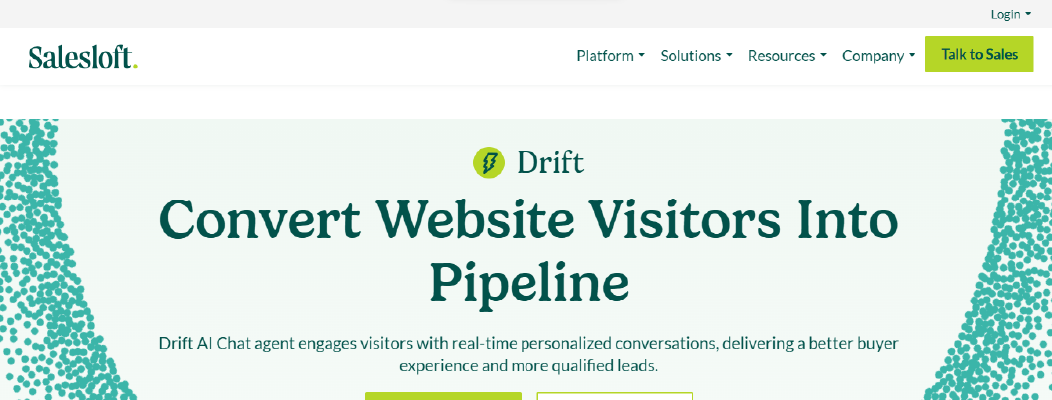
Drift is a conversational marketing and sales platform designed to help businesses engage website visitors in real time. It focuses on lead qualification, meeting booking, and routing conversations directly to sales teams. Instead of traditional ticket-based support, Drift emphasizes chatbot led conversation converting visitors into pipeline opportunities through chat and automation.
The platform allows teams to create chat playbooks, automate greetings, and qualify leads using pre-set questions. With CRM integrations and meeting scheduling tools, Drift helps sales teams respond quickly and shorten the buying cycle.
Why It’s a Strong LivePerson Alternative
Businesses explore LivePerson alternatives like Drift when their primary goal is sales engagement rather than support ticket management. While LivePerson focuses on AI-powered customer messaging, Drift leans more toward conversational marketing and revenue acceleration.
Drift reduces friction by automatically routing high-intent visitors to sales reps, booking meetings directly inside chat, and qualifying leads before human intervention. This makes it easier for revenue teams to focus on closing deals instead of manually screening prospects.
Drift Core Strengths
-
AI-powered chatbots for lead qualification
-
Automated meeting scheduling within chat
-
CRM integrations for syncing lead data
-
Conversation routing to sales representatives
-
Playbooks for targeted website messaging
Why Is Drift Better Than LivePerson
Drift works well for sales-driven organizations that prioritize pipeline growth over structured support workflows. Unlike LivePerson, which centers on ongoing customer messaging, Drift is built to move prospects through the funnel quickly.
Teams can engage visitors instantly, identify buying intent, and book meetings without switching tools. However, for structured ticket management, SLA enforcement, or complex multi-channel support operations, additional systems may be required.
Limitations
-
Limited focus on structured ticket lifecycle management
-
SLA enforcement and detailed support workflows are minimal
-
Pricing may scale quickly for growing teams
Best For
-
B2B sales teams focused on lead conversion
-
Marketing teams running conversational campaigns
-
SaaS companies prioritizing demo bookings
-
Revenue teams aligning chat with CRM pipelines
-
Organizations aiming to shorten sales cycles
Pricing Snapshot
-
Tiered subscription plans based on features and usage
-
Pricing scales with number of users and contacts
-
Add-ons available for advanced automation
-
Designed primarily for revenue-focused teams
-
Enterprise plans require custom pricing discussions
Read more: Check the Drift Alternatives and choose the best conversational marketing and sales platform.
8. Five9 - Cloud Contact Center Platform
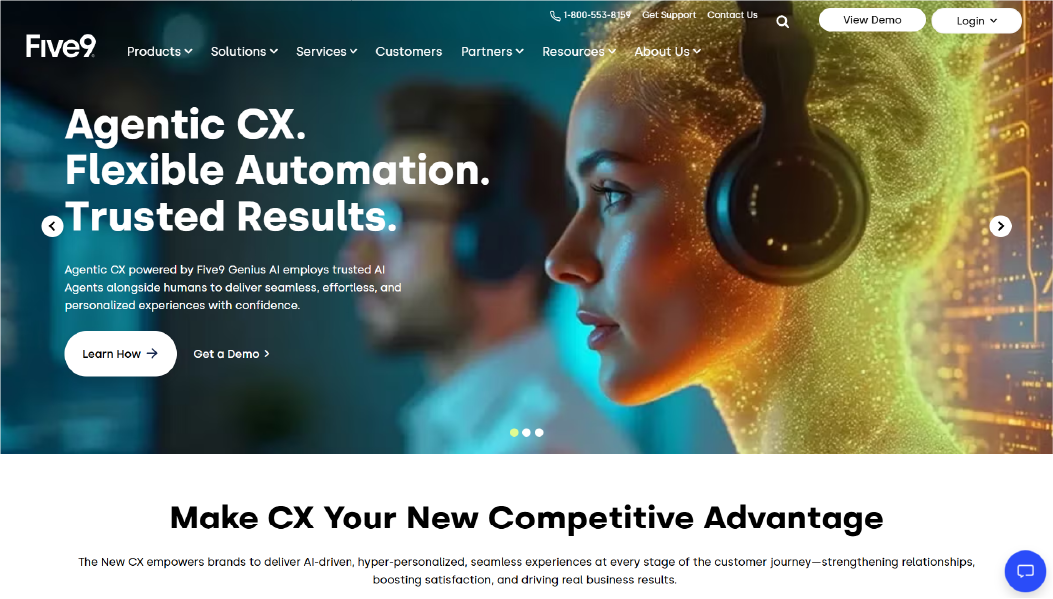
Five9 is a cloud-based contact center solution built to support large customer service and sales teams. It focuses heavily on voice support, outbound dialing, and workforce optimization, while also offering digital channels like chat and email.
The platform provides tools for call routing, IVR (interactive voice response), predictive dialing, and performance monitoring. With built-in analytics and workforce management features, Five9 is designed for organizations running high-volume inbound and outbound operations.
Why It’s a Strong LivePerson Alternative
Businesses explore LivePerson alternatives like Five9 when voice support and call center operations are a major priority. While LivePerson emphasizes AI-powered messaging and digital chat, Five9 is centered around voice infrastructure and contact center scalability.
Five9 reduces operational friction by routing calls intelligently, automating outbound campaigns, and providing real-time dashboards for supervisors. This makes it easier for enterprises to manage large agent teams and monitor service levels across voice and digital channels.
Five9 Core Strengths
-
Advanced call routing and IVR capabilities
-
Predictive and automated outbound dialing
-
Workforce management and scheduling tools
-
Real-time reporting and supervisor dashboards
-
Omnichannel support including voice, chat, and email
Why Is Five9 Better Than LivePerson
Five9 is particularly strong for enterprise contact centers that rely heavily on phone support. Unlike LivePerson, which focuses more on chat and messaging, Five9 provides deeper voice automation and outbound campaign tools.
Teams can manage large call volumes, monitor agent productivity, and optimize scheduling efficiently. However, for structured ticket lifecycle management or detailed SLA tracking within chat-based support, additional workflow tools may be needed.
Limitations
-
Setup and configuration can be complex
-
More voice-focused than chat-centered
-
Pricing may be high for small or mid-sized teams
Best For
-
Enterprise contact centers with heavy voice traffic
-
Sales teams running outbound campaigns
-
Organizations needing workforce optimization tools
-
Businesses handling large inbound call volumes
-
Companies requiring supervisor-level analytics
Pricing Snapshot
-
Subscription-based enterprise pricing
-
Scales based on agent seats and usage
-
Custom pricing for advanced automation features
-
Typically requires contract agreements
-
Geared toward mid-to-large enterprises
9. LiveAgent - Multi-Channel Help Desk Software
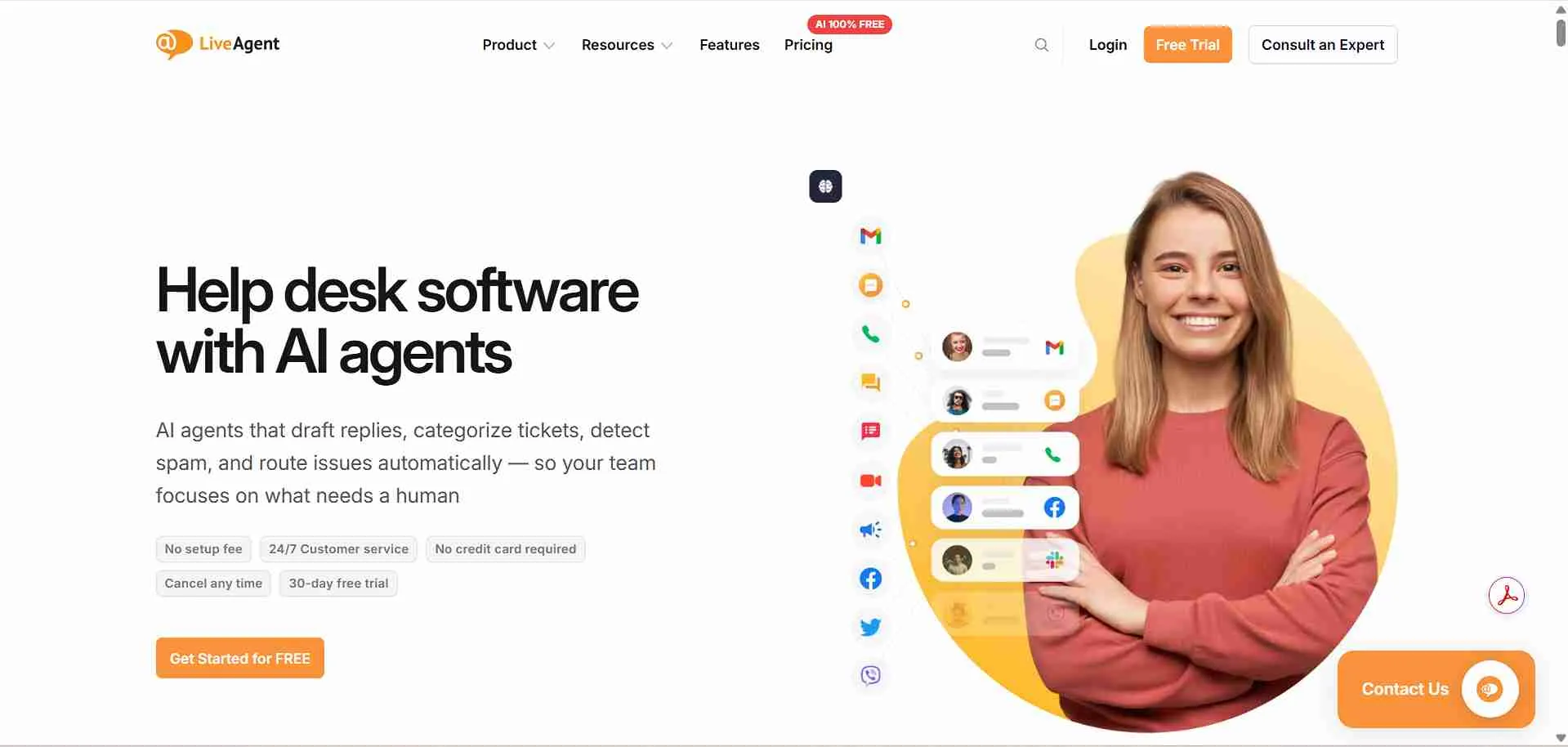
LiveAgent is a help desk and live chat platform designed to bring email, chat, social media, and call center support into one interface. It allows teams to manage tickets from multiple channels while keeping customer history accessible in a shared dashboard.
The platform includes ticket routing rules, automation triggers, and a built-in call center module. With conversation tracking and agent performance monitoring, LiveAgent is suitable for teams looking for a traditional help desk system combined with live chat capabilities.
Why It’s a Strong LivePerson Alternative
Businesses explore LivePerson alternatives like LiveAgent when they want a structured help desk system alongside live chat. While LivePerson focuses on AI-powered messaging, LiveAgent emphasizes ticket organization and multi-channel inbox management.
LiveAgent reduces operational friction by automatically converting messages from different channels into tickets, routing them to the right agents, and storing conversation history in one place. This makes it easier for teams to maintain visibility across email, chat, and social interactions without switching platforms.
LiveAgent Core Strengths
-
Unified inbox for email, chat, calls, and social media
-
Rule-based ticket routing and automation
-
Built-in call center functionality
-
Conversation history tracking per customer
-
Basic reporting and performance monitoring
Why Is LiveAgent Better Than LivePerson
LiveAgent works well for teams prioritizing structured ticket management over AI-first chat automation. Unlike LivePerson, which centers on conversational AI, LiveAgent offers a more traditional help desk environment with clear ticket organization and routing rules.
Teams can manage multiple communication channels in one dashboard and keep conversation records centralized. However, advanced SLA enforcement and AI-assisted workflow automation may require more configuration compared to more workflow-focused platforms.
Limitations
-
AI automation capabilities are limited
-
Interface may feel traditional compared to newer platforms
-
Advanced analytics features can be basic
Best For
-
SMB support teams managing multiple channels
-
Businesses needing built-in call center support
-
Companies transitioning from email-only support
-
Teams wanting a traditional ticket-based system
- Organizations focused on unified inbox management
Discover the best Liveagent Alternatives and choose the right one for your business.
10. Freshdesk - Cloud-Based Customer Support Software
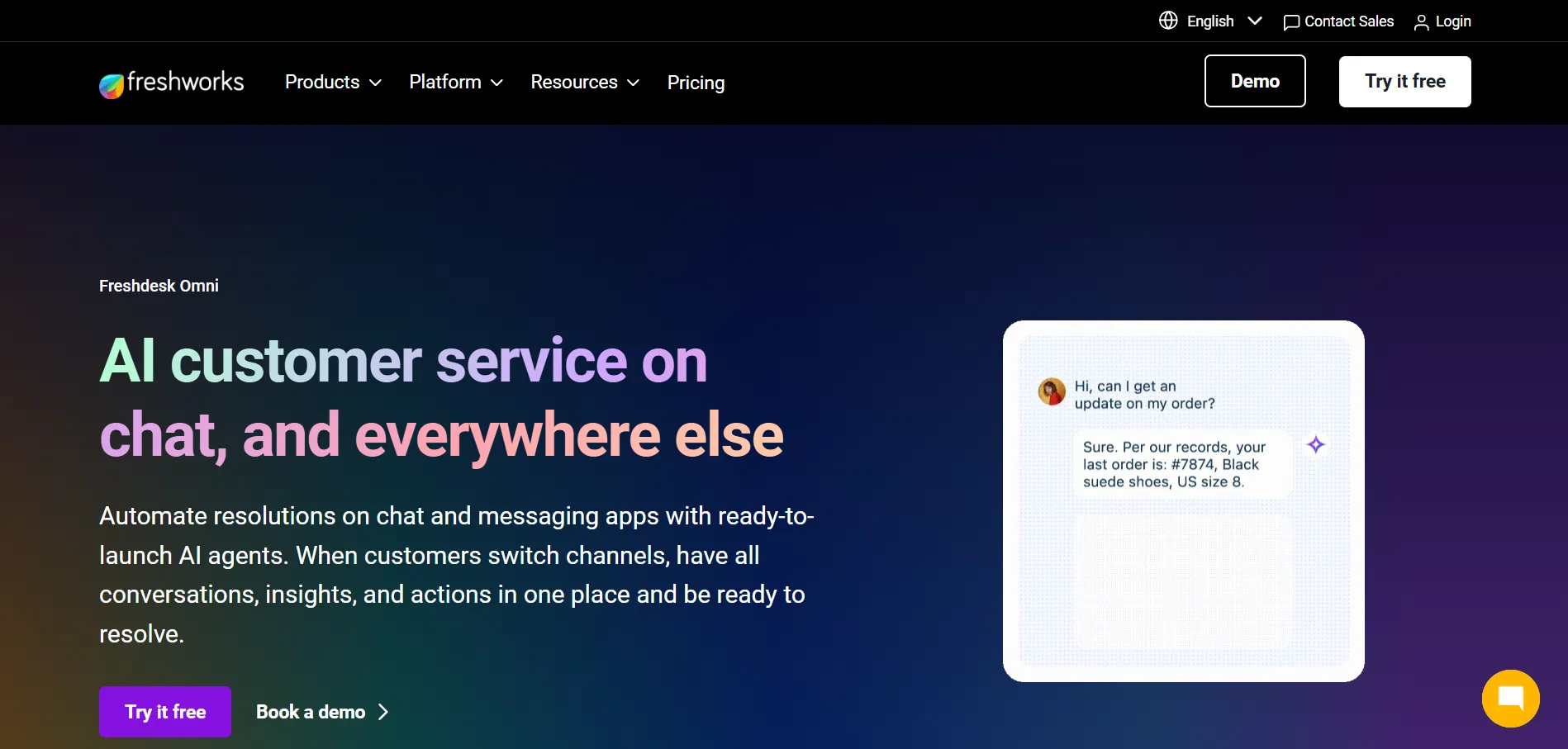
Freshdesk is a cloud help desk platform built to manage customer support across email, chat, phone, and social channels. It organizes incoming conversations into tickets and provides automation tools to help teams respond faster and stay organized.
The platform includes ticket assignment rules, collision detection to avoid duplicate replies, and reporting dashboards for tracking performance. With integrations across CRM and productivity tools, Freshdesk is commonly used by SMBs and mid-sized teams looking for structured support management without heavy technical setup.
Why It’s a Strong LivePerson Alternative
Businesses explore LivePerson alternatives like Freshdesk when they want structured ticket management combined with multi-channel support. While LivePerson focuses more on AI-driven messaging experiences, Freshdesk emphasizes ticket organization, automation rules, and shared inbox visibility.
Freshdesk reduces operational friction by converting emails and messages into trackable tickets, automatically assigning them based on rules, and maintaining conversation history per customer. This helps teams manage response timelines and prevent missed inquiries while keeping support workflows predictable.
Freshdesk Core Strengths
-
Multi-channel ticketing across email, chat, phone, and social
-
Rule-based automation for ticket assignment and routing
-
SLA policies with response and resolution tracking
-
Collision detection to prevent duplicate agent replies
-
Reporting dashboards for performance monitoring
Why Is Freshdesk Better Than LivePerson
Freshdesk works well for teams that prefer structured ticket workflows over AI-first messaging systems. Unlike LivePerson, which centers on conversational AI engagement, Freshdesk focuses on organizing customer support platform into manageable ticket pipelines.
Teams can automate ticket routing, track SLA compliance, and monitor agent productivity in one place. However, advanced AI-assisted responses and complex workflow customization may require additional configuration compared to more workflow-focused platforms.
Limitations
-
AI chatbot capabilities may require add-ons
-
Advanced workflow customization can become complex
-
Pricing increases as automation and features expand
Best For
-
SMB and mid-sized support teams
-
Businesses transitioning from manual email support
-
Organizations needing SLA tracking and automation rules
-
Teams managing moderate ticket volumes
-
Companies looking for structured help desk software
Pricing Snapshot
-
Tiered subscription plans per agent
-
Free plan available with limited features
-
Paid plans scale with automation and reporting needs
-
Monthly and annual billing options
-
Enterprise plans available with advanced customization
Check out the top Freshdesk Alternatives and select one that best suits your business
LivePerson Competitors Compared Side-by-Side
Here’s a detailed comparison to help you evaluate each LivePerson alternative based on workflow setup, ticket and thread stability, multi-channel support, automation depth, integration flexibility, usability, and pricing structure in 2026.
This table focuses on operational fit. It highlights which tools reduce manual work, maintain stable conversations, and scale customer support efficiently.
|
Tool
|
Setup Complexity
|
Custom Workflow Control
|
Native Multi-Channel Support
|
AI / Chatbot Automation
|
Knowledge Base Integration
|
Reporting Depth
|
Billing Model Impact
|
|
Chatboq
|
Low (guided onboarding, workspace setup)
|
Strong (SLA enforcement, priority rules, Kanban stages)
|
Web chat + email + messaging integrations
|
Advanced AI-assisted responses
|
Upload-based KB support
|
Conversation + SLA dashboards
|
Workspace-based (reduces seat dependency)
|
|
Zendesk
|
Moderate
|
Advanced workflow builder
|
Email, chat, voice, messaging apps
|
Moderate AI & automation
|
Built-in knowledge base
|
Advanced analytics dashboards
|
Per-agent pricing
|
|
Intercom
|
Moderate
|
Advanced messaging workflows
|
Web chat, email, in-app messaging
|
Advanced AI chatbot
|
Limited KB integration
|
Engagement-focused analytics
|
Contact-based scaling
|
|
LiveChat
|
Low
|
Basic routing rules
|
Primarily web chat + integrations
|
Minimal AI features
|
Limited
|
Basic chat reporting
|
Per-agent pricing
|
|
Genesys Cloud CX
|
High
|
Enterprise-grade routing workflows
|
Voice, chat, email, messaging
|
Advanced AI routing
|
Optional integration
|
Enterprise analytics
|
Seat-based enterprise pricing
|
|
Sprinklr
|
High
|
Campaign & engagement workflows
|
Social media, messaging, web
|
Moderate automation
|
Integrated content tools
|
Engagement & campaign reporting
|
Custom enterprise contracts
|
|
Drift
|
Moderate
|
Sales-focused routing playbooks
|
Web chat + CRM sync
|
AI for lead qualification
|
Limited
|
Revenue-focused reporting
|
Usage & contact-based pricing
|
|
Five9
|
High
|
Call center workflow automation
|
Voice + digital channels
|
AI-assisted voice routing
|
Limited
|
Supervisor dashboards
|
Enterprise seat licensing
|
|
LiveAgent
|
Low
|
Rule-based ticket workflows
|
Email, chat, calls, social
|
Basic automation
|
Built-in help center
|
Standard ticket reporting
|
Per-agent tiers
|
|
Freshdesk
|
Moderate
|
Automation rules & SLA policies
|
Email, chat, phone, social
|
Moderate AI (add-on based)
|
Built-in knowledge base
|
SLA & performance reports
|
Per-agent subscription
|

 ChatGPT
 Perplexity
 Claude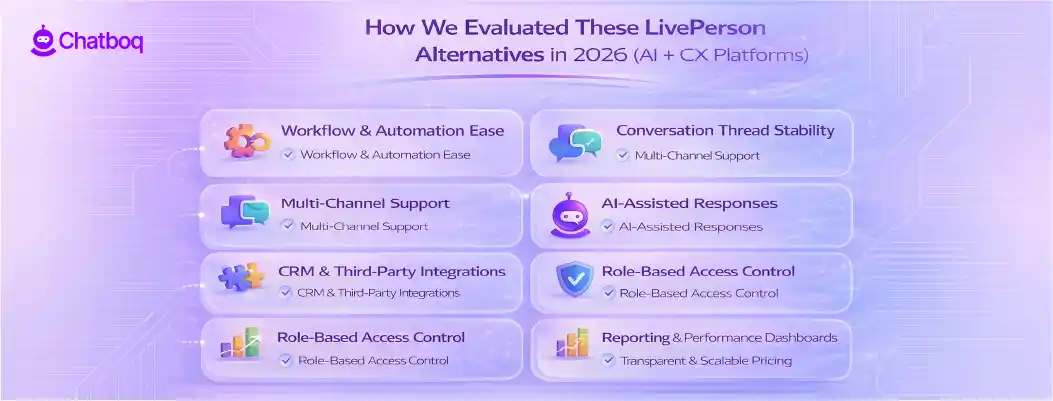



Leave a Comment
Your email address will not be published. Required fields are marked *
By submitting, you agree to receive helpful messages from Chatboq about your request. We do not sell data.